


Drill Bit Selection Guide
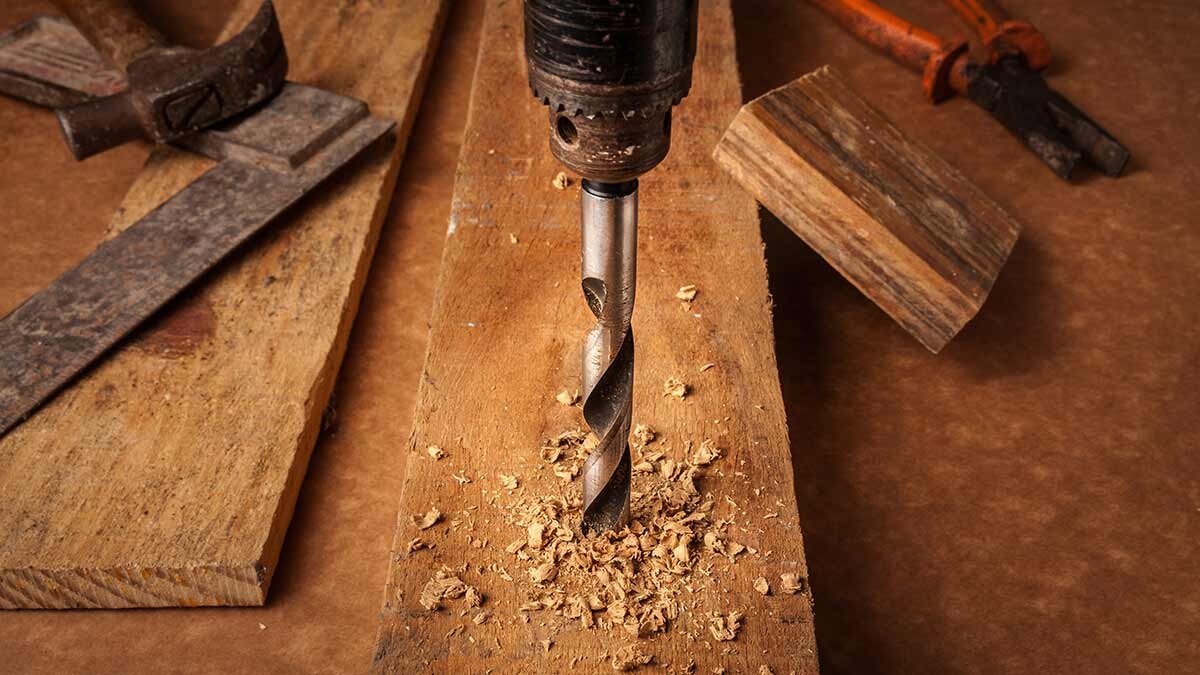
Drilling may seem straightforward, but seasoned professionals know that selecting the right drill bit can make or break a job. Whether working with wood, metal, or masonry, the right bit ensures efficiency, precision, and tool longevity. But with so many drill bit types and names, coatings, and materials available, how do you make the best choice? This guide provides in-depth insights tailored for contractors, machinists, and manufacturers—because the details matter when it comes to drilling.
What Is a Drill Bit?
A drill bit is a precision cutting tool designed to efficiently create holes in various materials, including metal, wood, masonry, and composites. A drill bit removes material through a rotating cutting action, forming clean, accurate holes tailored to specific project requirements.
Drill Bit Comparison Chart
Find the drill bit that’s best for your project with this chart.
| Hammer Drill Bit | Step Drill Bit | Jobber-Length Drill Bit | Core Drill Bit | |
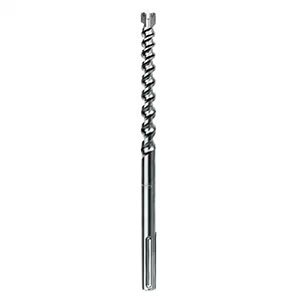 | 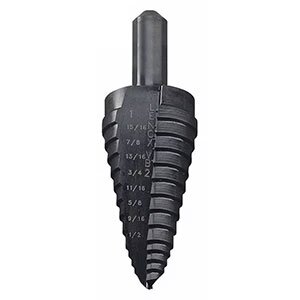 | 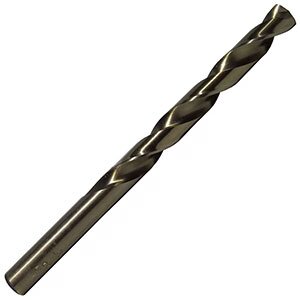 | 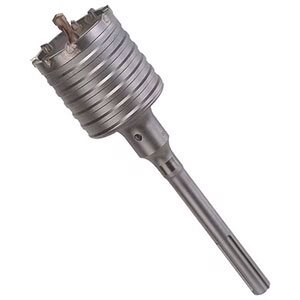 | |
| Used For | Designed to drill into hard materials such as concrete, brick, and stone | Designed to drill multiple hole sizes with one bit, specifically into thin materials such as metal sheets, plastics, and laminates. | Jobber drill bits are designed with long flutes—generally 9 to 14 times their diameter—which allow them to drill deeper holes than other drill bits. | Designed to cut large, precise holes through hard materials such as concrete, brick, and stone. Often used for installing plumbing, electrical, and HVAC systems. |
| Common Applications | Masonry work, installing anchors, or drilling holes in concrete or stone for construction and renovation projects. | Electrical work for creating knockout holes, enlarging existing holes, or drilling through sheet metal, plastic panels, and thin wood. | Drilling into various materials such as wood, metal, and plastic. | Construction and renovation projects to create openings for pipes, conduits, and other building services. Also used to drill holes in walls, floors, and ceilings where precise, large-diameter openings are required. |
| Reduced-Shank Drill Bit | Pilot Point Drill Bit | Auger Drill Bit | Masonry Drill Bit | |
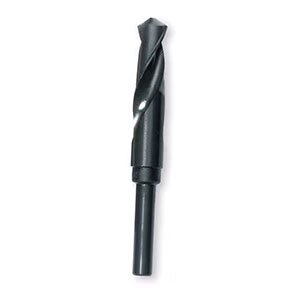 | 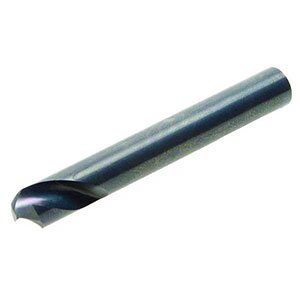 | 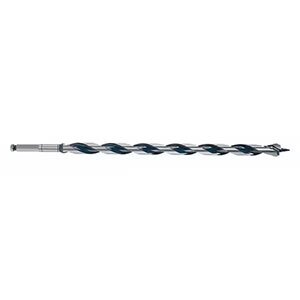 | 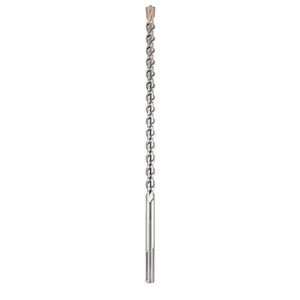 | |
| Used For | These drill bits feature a shank with a smaller diameter than their cutting head. They’re designed to drill large holes while still being compatible with standard sizes of drill chucks on handheld drills. | Designed to drill holes in various materials such as wood, metal, or plastic. They feature a small point at the tip, followed by a wider cutting area. | Commonly used in woodworking, auger drill bits are designed to drill deep holes into wood. They feature a sharp screw on the tip that guides the bit in the right direction and makes drilling easier. | Masonry bits cut through tough materials such as concrete, brick, and other masonry. |
| Common Applications | Maintenance and repair applications. | Cabinetry, furniture making, electrical work, and metal fabrication. | Wood framing, stacked furniture, gardening, and plumbing. | Drilling into concrete or masonry. |
Key Considerations
Choose a Drill Bit Made from the Right Material
The drill bit material plays a key role in performance, particularly when working with different substrates. Harder materials require bits made from more durable metals to prevent premature wear and breakage.
| Drill Bit Material | Recommended Applications |
| High-Speed Steel (HSS) | General-purpose drilling in wood, drywall, carbon steel, and nonferrous metals. |
| Cobalt | Designed for harder metals such as stainless steel and armor plating. |
| Carbide | Best for abrasive materials like cast iron, fiberglass, and nonferrous metals. |
When drilling into tougher materials, cobalt and carbide drill bits provide enhanced wear resistance and maintain sharpness longer than standard HSS bits.
Choose the Right Drill Bit Point Type
The drill head type influences drilling precision, speed, and performance.
- 118° Conventional Point—This is the most common drill bit to make holes in softer materials like wood and drywall. It provides a balanced entry point but may require a pilot hole in harder materials.
- 135° Split Point—Designed for heavy-duty drilling, this point type helps prevent the bit from “walking” on the surface, making it ideal for precision work on hard metals.
Choose the Right Coating for Your Drill Bit
Many drill bits feature coatings designed to reduce heat buildup and improve durability. The right coating can extend drill bit life, especially in high-heat applications like metalworking. Below are common coatings and their benefits.
- Black Oxide—Helps retain lubricants for smoother, cooler drilling. Best for general-purpose use but not recommended for aluminum or other nonferrous metals.
- Titanium Nitride (TiN)—Enhances lubricity and allows for higher drilling speeds, improving tool life.
- Titanium Aluminum Nitride (TiAIN)—Effective for high-speed drilling in stainless steel, ferrous metals, and high-temperature alloys.
- Bright Finish—A non-coated option where polished flutes improve chip removal, often used on nonferrous metals like aluminum.
Maintenance
Drill bits are an investment, and proper care helps you get the most out of them.
- Match the RPM to the Material
Running a bit too fast can cause overheating, dulling the cutting edge. - Use the Right Flute Design
Drill head types impact chip removal and stability. Parabolic flutes are great for deep-hole drilling. - Store Bits Properly
Prevent rust and dulling by keeping bits in a dry, organized case.
Drill bits may seem like a small component in your tool box, but they play a significant role in your project’s success. Whether you need drill bits for wood, metal, or masonry, choosing the right one can improve efficiency and extend the life of your tools.
At Zoro, we make it easy to find the best drill bits for your business needs. With thousands of options in stock, you can get the right tools to do the job quickly and efficiently.
Product Compliance and Suitability
The statements contained in this guide are intended for general informational purposes only. Such statements do not constitute a product recommendation or representation as to the appropriateness, accuracy, completeness, correctness, or currentness of the information provided. Information provided in this guide does not replace the use by you of any manufacturer instructions, technical product manual, or other professional resource or adviser available to you. Always read, understand, and follow all manufacturer instructions. Portions of this article were generated in part by ChatGPT, and edited by a member of the Zoro team.
