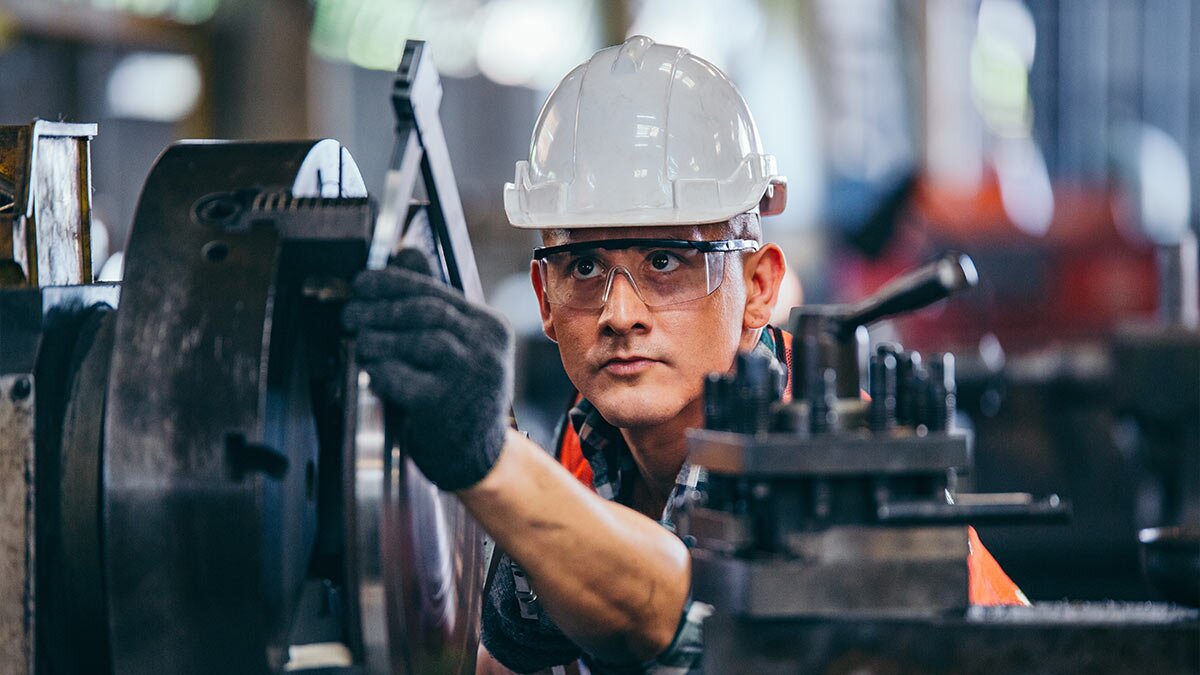
Top Manufacturing Tools
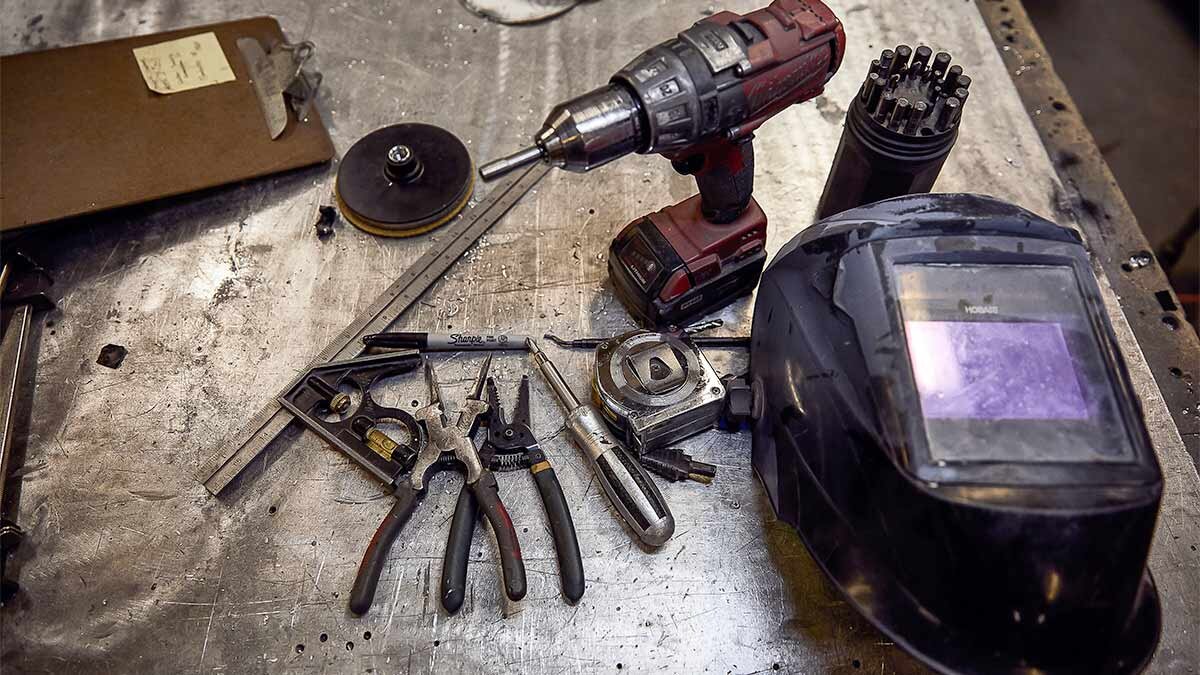
When you’re responsible for keeping production on track, every delay shows up somewhere—missed deadlines, overtime, or added pressure on your team. For operations managers, the challenge isn’t just having tools. It’s having the right ones, in the right place, used in the right way across every shift. The right manufacturing tools help reduce variation, improve uptime, and make day-to-day operations easier to manage. This guide covers essential tools used in manufacturing, and how to choose them based on what’s actually happening on your shop floor.
Start with the Tools You Use Every Day
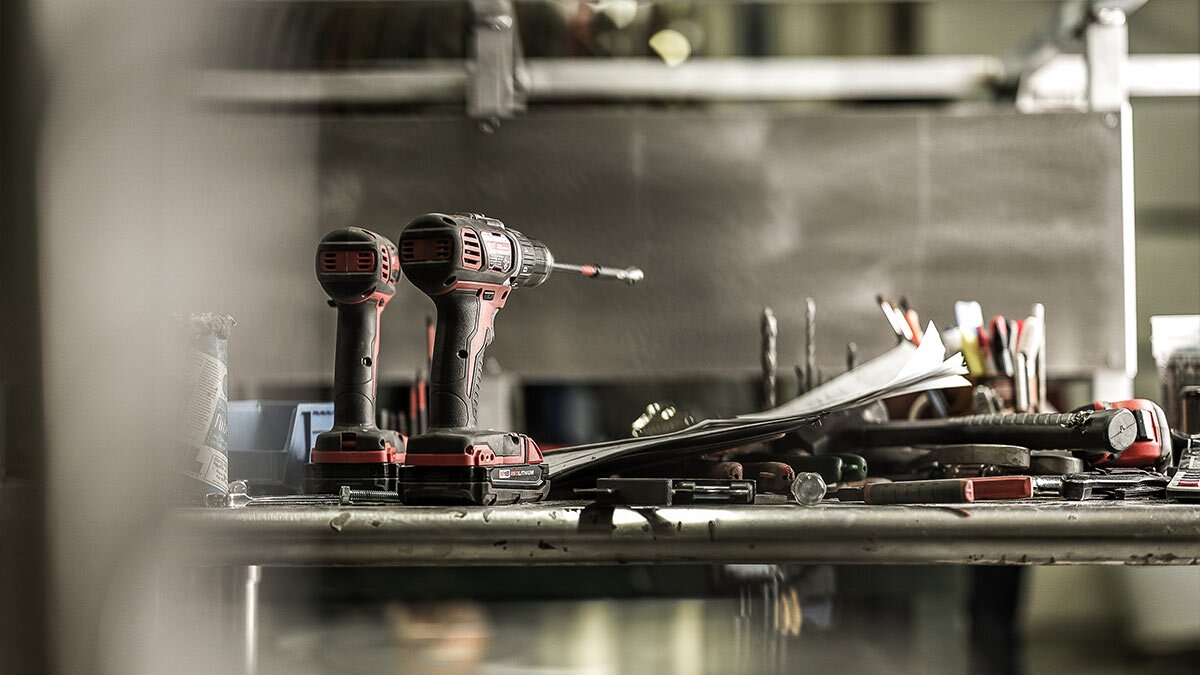
Focus on the tools you use for nearly every job. In most machine shops and fabrication environments, that includes drills, impact wrenches, grinders, cutoff tools, and clamping systems. These tools directly affect setup time, consistency, and output. When different operators use different tools, or use the same tools differently, you get inconsistent results that lead to slower production and rework.
Standardizing your everyday tools helps:
- Reduce variation between shifts
- Simplify training for new employees
- Keep jobs moving when schedules are tight
Support Uptime with the Right Maintenance Tools
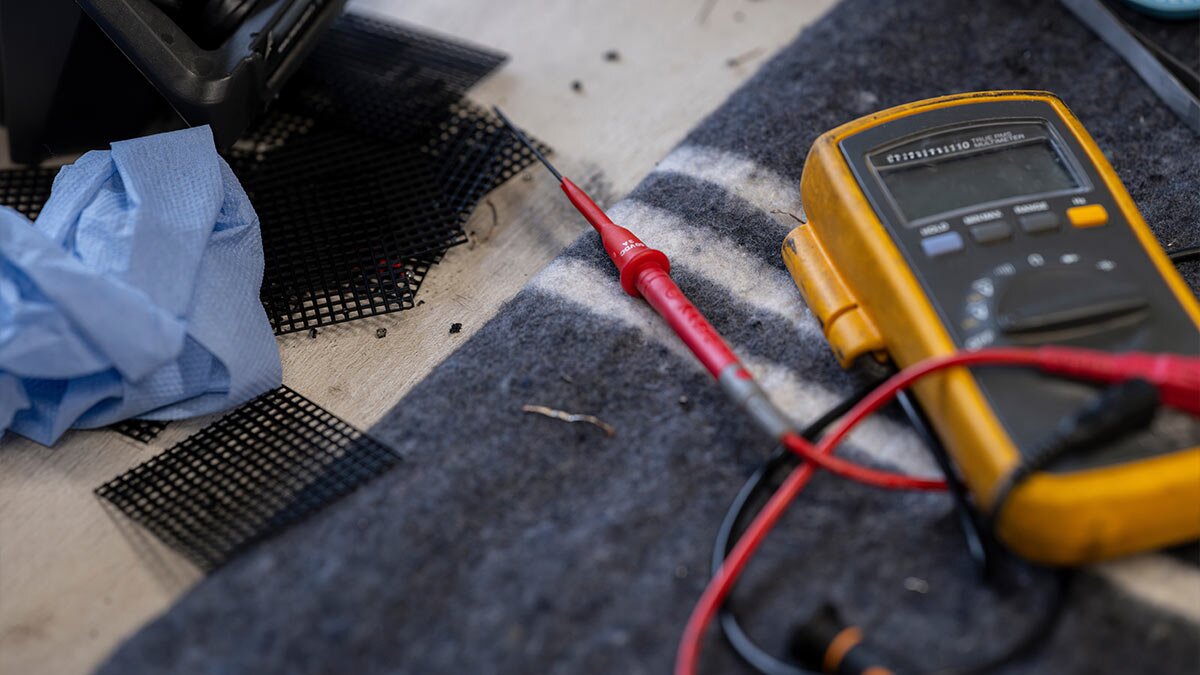
Unplanned downtime is one of the fastest ways to fall behind schedule. Having the right industrial maintenance tools makes it easier to stay ahead of issues instead of reacting to them.
Common maintenance tools include:
- Lubrication systems for routine upkeep
- Hydraulic service tools for equipment support
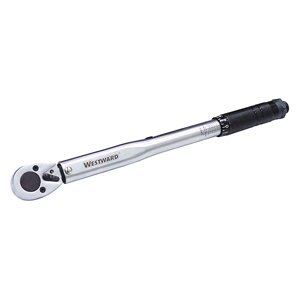
- Torque wrenches for accurate fastening
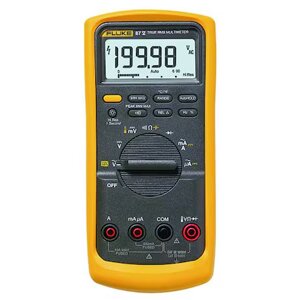
- Multimeters for electrical troubleshooting
 |  | 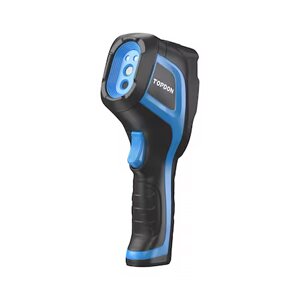 | 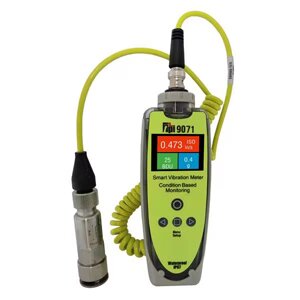 |
For deeper visibility, diagnostic tools like thermal imaging cameras and vibration meters can help identify problems early. Preventive maintenance won’t eliminate every issue, but it gives you more control over when and how you deal with them.
Use Inspection Tools to Protect Quality
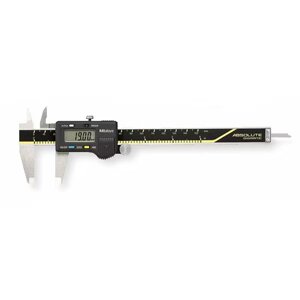
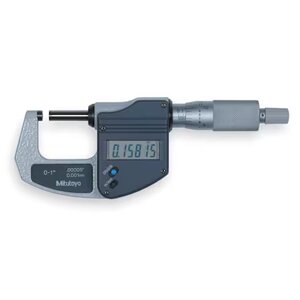
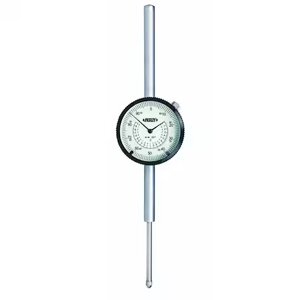
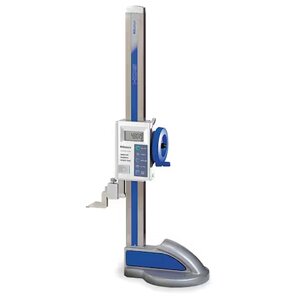
Quality issues don’t just affect parts—they affect timelines, costs, and customer relationships. Inspection tools help catch problems early, before they move further down the line.
Common industrial quality tools include:

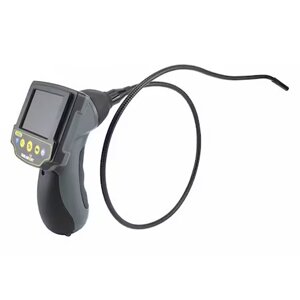
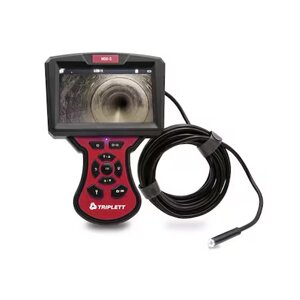
For tight or enclosed spaces, inspection cameras and borescopes allow you to check internal areas without disassembly.
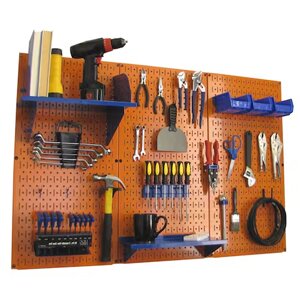
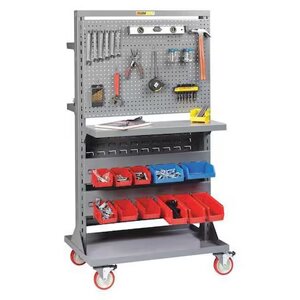
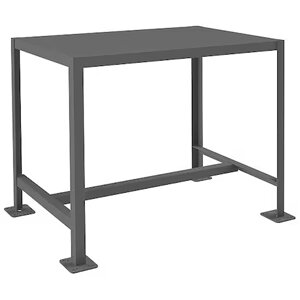
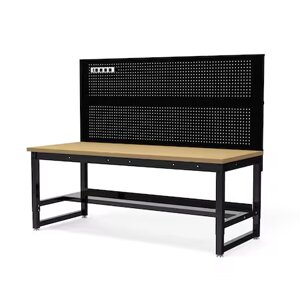
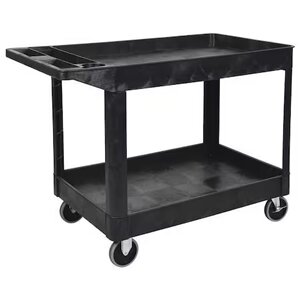
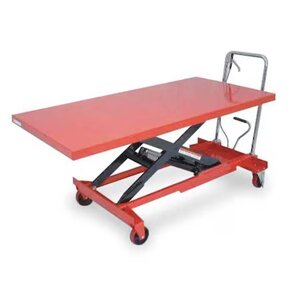
Improve Workflow with Organized Factory Tools and Equipment
\
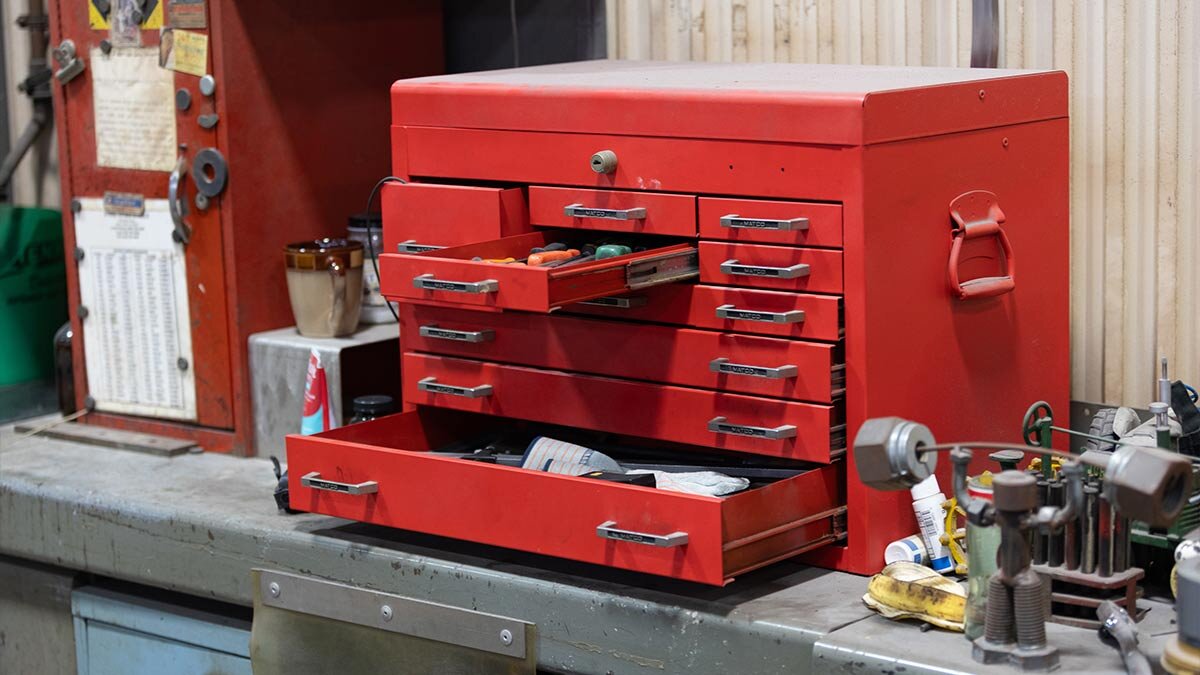
Even small delays add up over the course of a shift. When tools are hard to find or materials are difficult to move, productivity drops. Not because the team isn’t working, but because the setup is working against them.
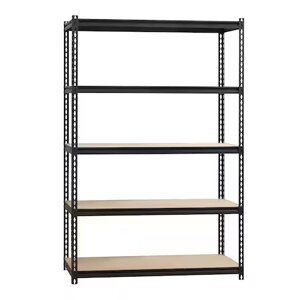
Factory tools and equipment that promote organization can make a noticeable difference.
 |  |  |
Build Your Industrial Tools List around Real Shop Needs
A long list of tools doesn’t solve much on its own. What matters is how those tools support your operation.
Start with the challenges you see most often.
- Which machines experience the most downtime?
- Where do delays happen most frequently?
- Are scrap rates higher on certain parts or processes?
- Are inspections consistent across shifts?
The Bottom Line: Tools Should Make the Job Easier
The goal isn’t to have more tools. It’s to have the tools that help your team do their jobs efficiently. When the work keeps moving, everything else gets easier to manage.
Product Compliance and Suitability
The statements contained in this guide are intended for general informational purposes only. Such statements do not constitute a product recommendation or representation as to the appropriateness, accuracy, completeness, correctness, or currentness of the information provided. Information provided in this guide does not replace the use by you of any manufacturer instructions, technical product manual, or other professional resource or adviser available to you. Always read, understand, and follow all manufacturer instructions. Portions of this article were generated in part by ChatGPT, and edited by a member of the Zoro team.