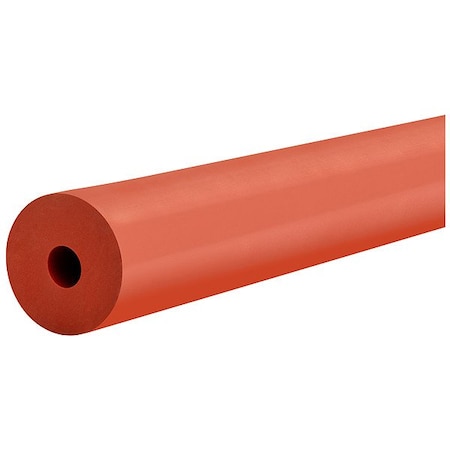
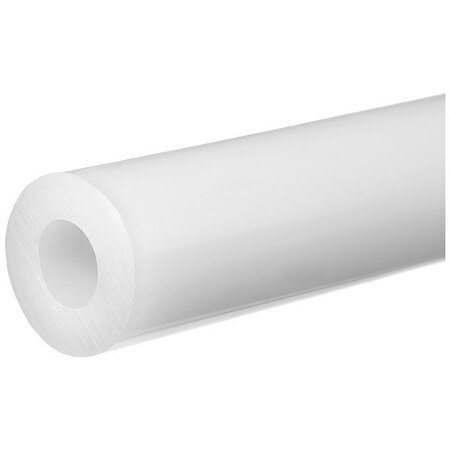
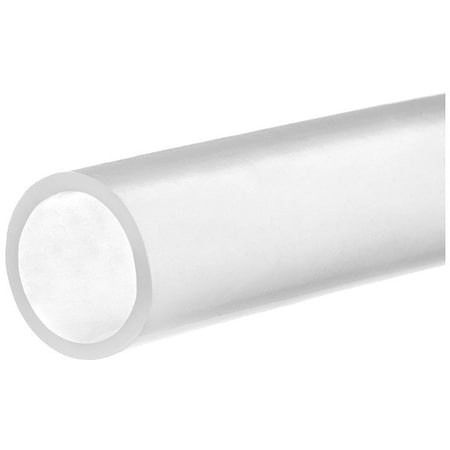
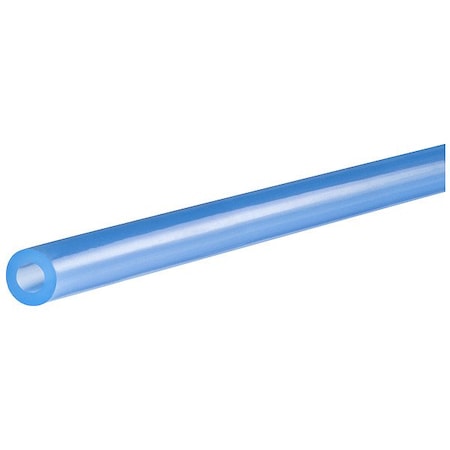
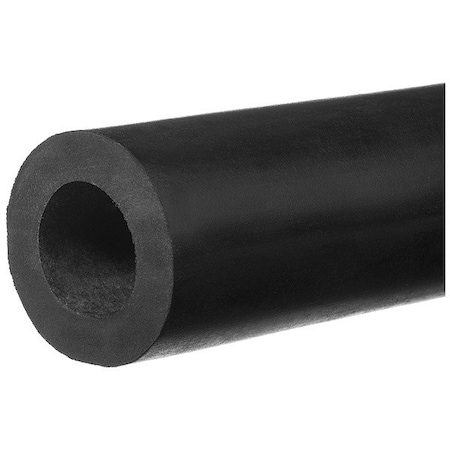
Silicone Tubing, crafted from a resilient synthetic rubber compound, is a versatile product known for its durability and flexibility across various industries. Available in an array of dimensions, this tubing caters to both low-pressure tasks like water supply or fuel lines and high-pressure applications including hydraulic systems. The manufacturing process involves extruding liquid silicone through a die followed by curing to harden the tube and create an airtight seal - making it ideal for fluid systems. With wide-ranging utility, Silicone Tubing is integral to sectors such as automotive, medical, industrial operations and food service; whether it's repairing hoses in vehicles, administering fluids in healthcare settings, sealing machinery in industry or preserving freshness during food transportation.
Frequently Asked Questions
Silicone tubing has a maximum temperature rating of 350u00b0F (177u00b0C), making it suitable for a wide range of applications.
Silicone tubing is commonly used in food and beverage production, pharmaceutical and medical equipment, and industrial and automotive applications due to its flexibility, heat resistance, and biocompatibility.
The hardness level of silicone tubing refers to the Shore A durometer scale. For general-purpose applications, a hardness of 50-60 Shore A is suitable, offering a balance of flexibility and durability.
Yes, silicone tubing can be sterilized by autoclaving, gamma radiation, or ethylene oxide gas. This makes it ideal for medical and scientific applications where sterility is crucial.