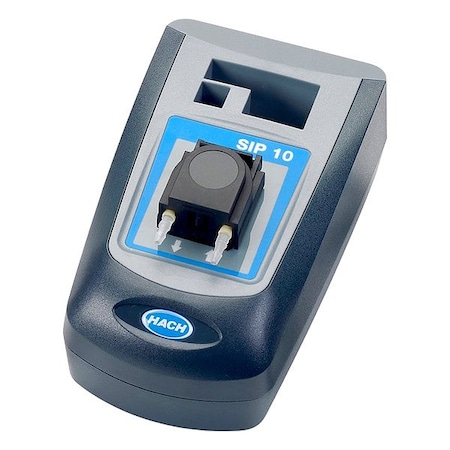
A spectrophotometer comprises optical components such as a light source, monochromator, sample holder, detector, and a readout device to display or record the results.
Factors to consider include the wavelength range of interest, material compatibility with the sample and solvents, optical clarity, and path length.
Calibration involves using reference materials or solutions with known absorbance values to adjust the instrument's response. Regular calibration is crucial to maintain precision and accuracy.
Spectrophotometers are widely used in fields such as chemistry, biology, materials science, environmental monitoring, and clinical diagnostics for qualitative and quantitative analysis of substances.