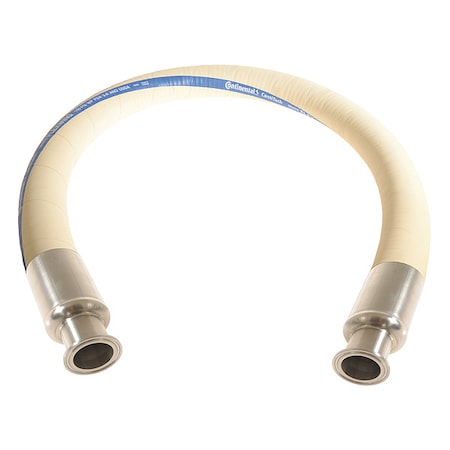
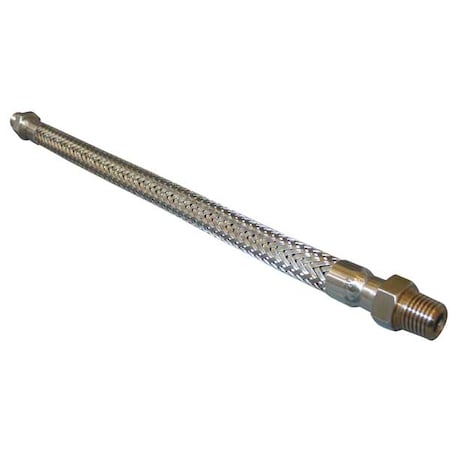
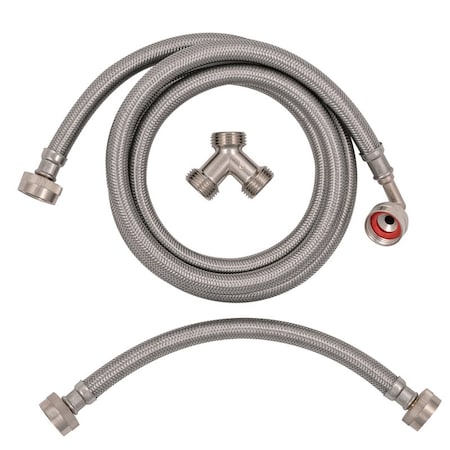
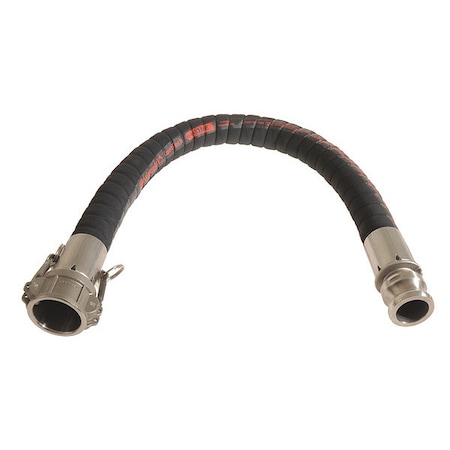
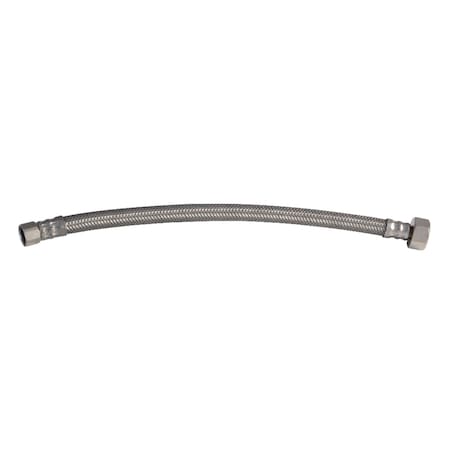
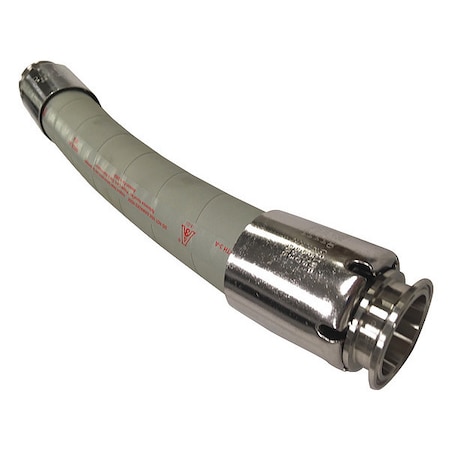
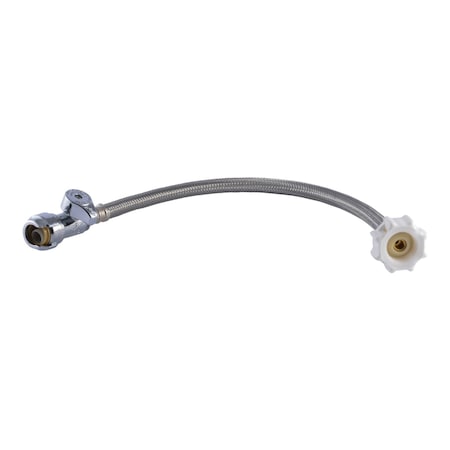
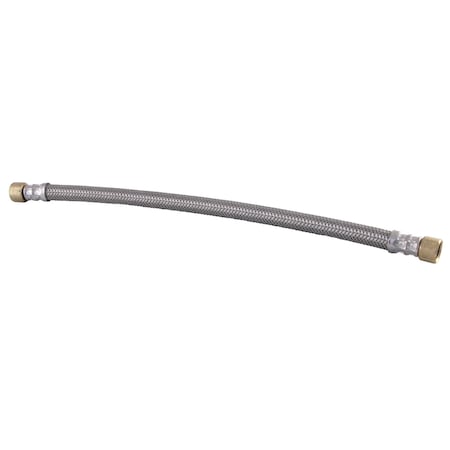
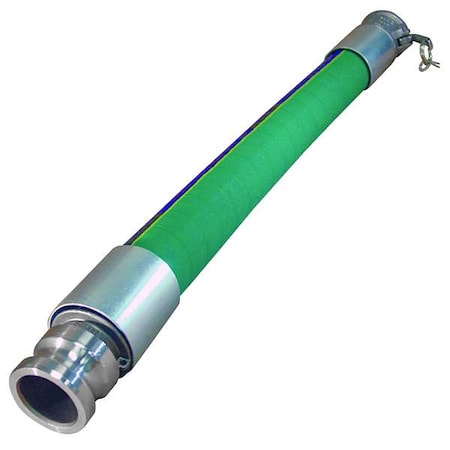
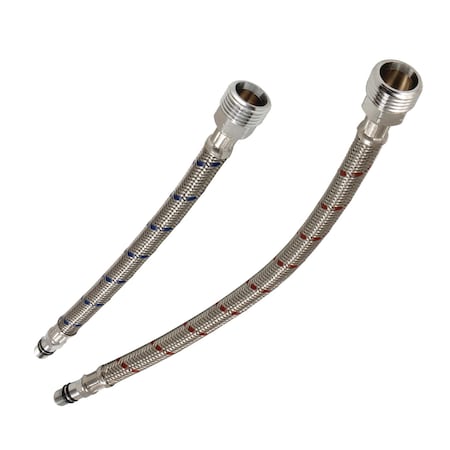
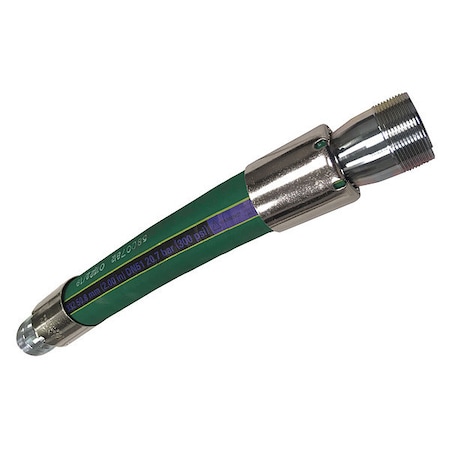
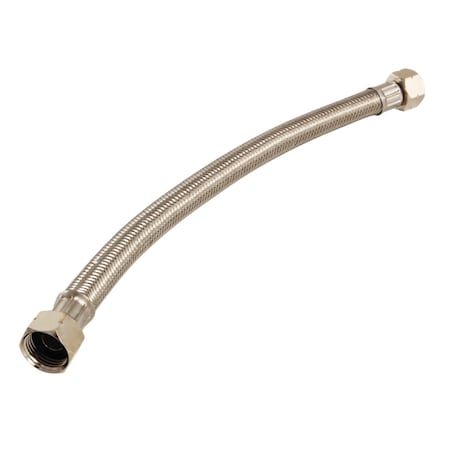
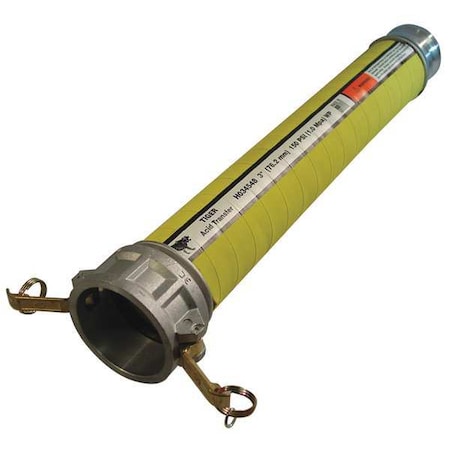
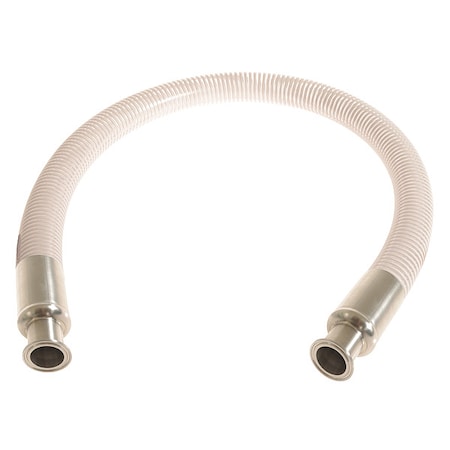
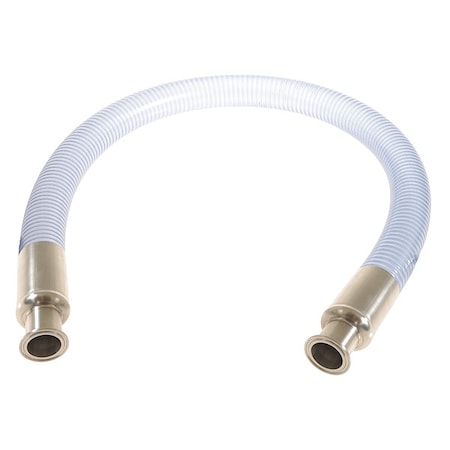
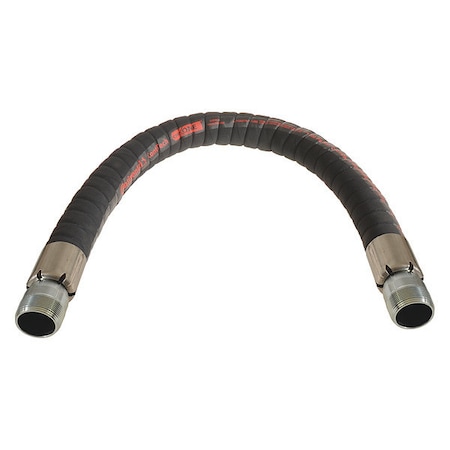
A rubber flexible hose is great for certain jobs, but if that hose is being used in heavy-duty machinery, such a compressor or pneumatic pump, that piece of flexible tubing could become vulnerable to a lot of stress and strain, and sudden changes in temperature. So a better way to go might be one of our stainless steel hose assembly options. These types of flexible metal hoses
can withstand all sorts of adverse conditions, and are used in pharmaceutical, robotic, machinery, marine, automotive, air conditioning applications, and more. And these metal hose choices can withstand extreme hot and cold temperatures with ease. For more protection, we also carry PTFE hose with wire braid models, which have a polytetrafluoroethylene (PTFE) fluoropolymer inner lining, covered by a outer flexible metal hose. There’s also an EPDM hose with wire braid, that has a flexible metal hose on the inside, with a protective EPDM (ethylene propylene diene monomer rubber) covering. And speaking of plastics, we also have cryogenic hoses, which are made from a multi-layer polymer process for added resistance.
Frequently Asked Questions
A stainless steel hose assembly is made of a flexible, corrosion-resistant metal that can withstand high temperatures and pressures. Regular hose assemblies are typically made of rubber or plastic, which can degrade over time and are not as durable as stainless steel.
There are several different types of stainless steel hose assemblies, including braided, corrugated, and convoluted. Each type has its own unique advantages and disadvantages, depending on the application.
When choosing a stainless steel hose assembly, you will need to consider the following factors: pressure rating, temperature rating, flexibility, corrosion resistance, and size.
Stainless steel hose assemblies offer a number of benefits, including: durability, corrosion resistance, high temperature resistance, flexibility, and ease of installation.