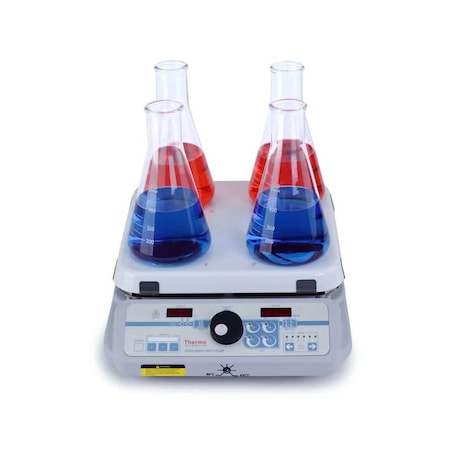
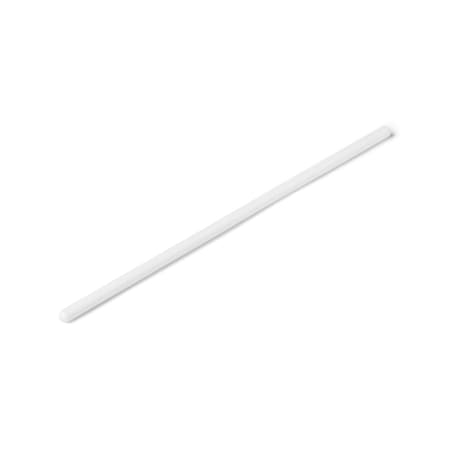
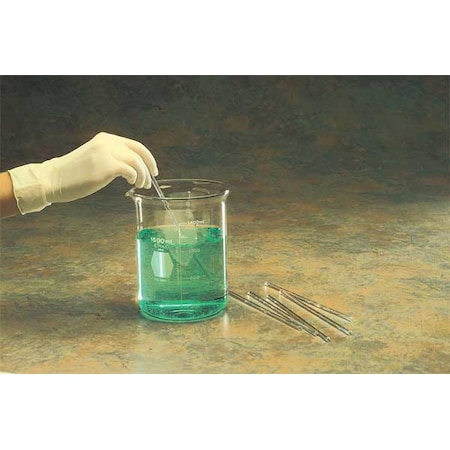
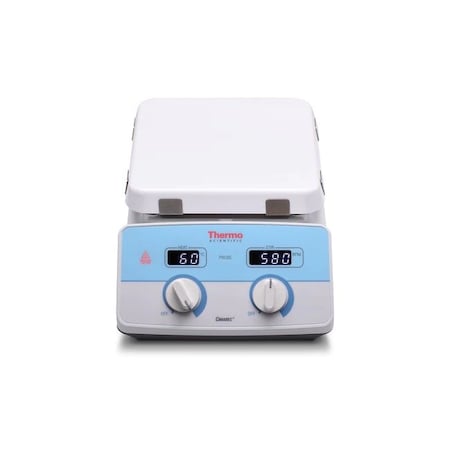
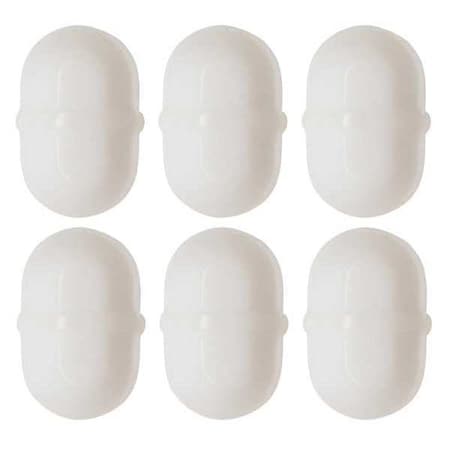
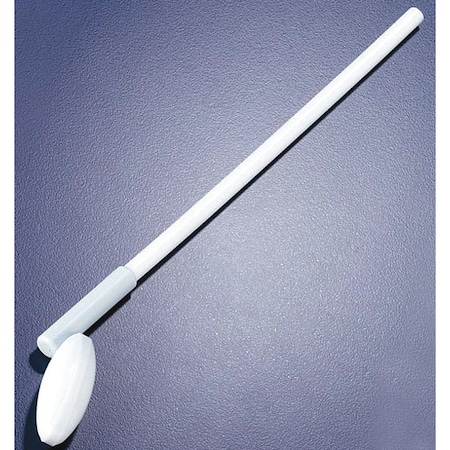
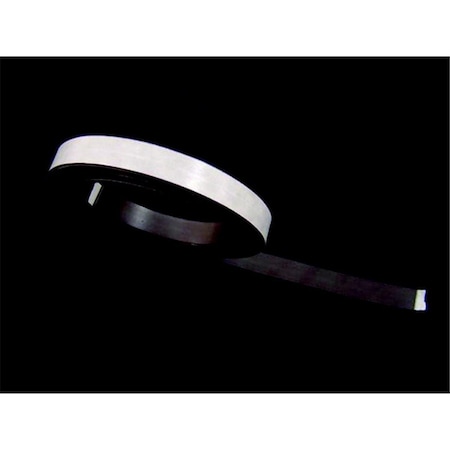
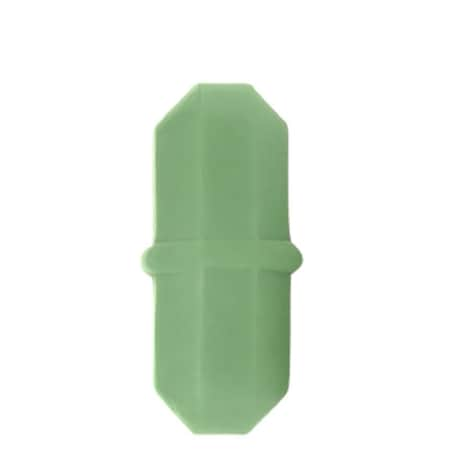
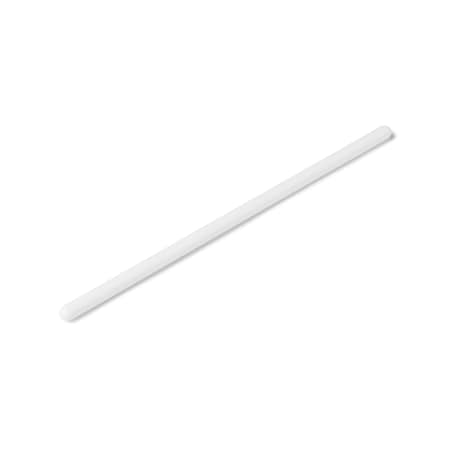
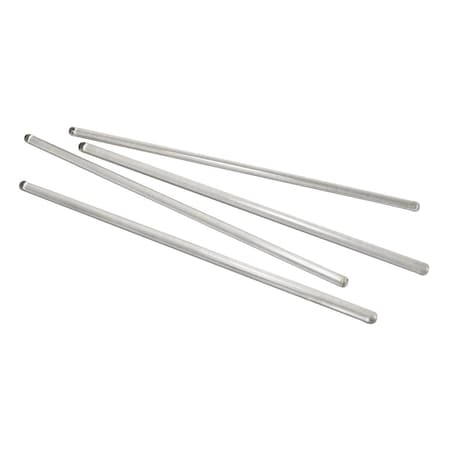
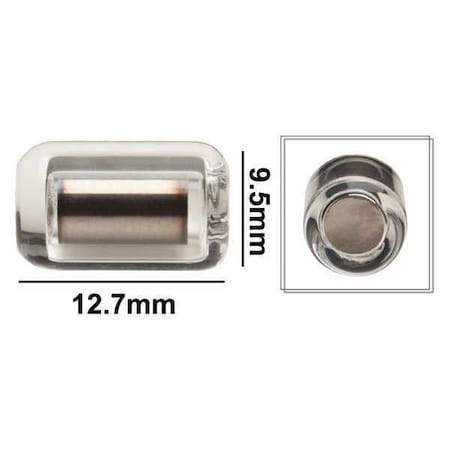
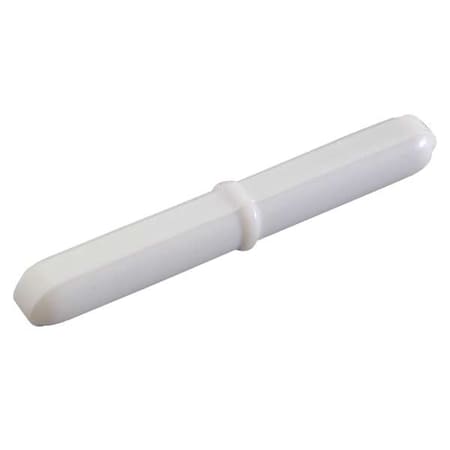
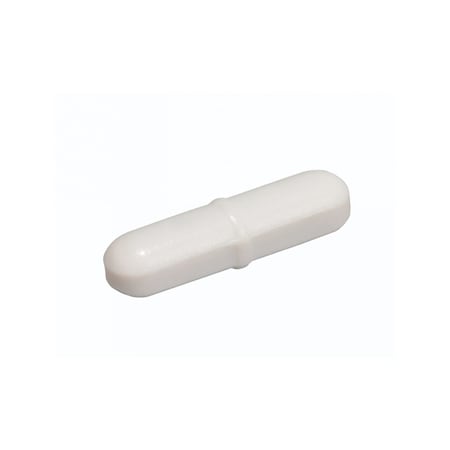
Stir bars are ideal for use in low to medium-viscosity liquids. Avoid using them with high-viscosity liquids as the magnetic coupling may not be strong enough to rotate the bar effectively. Also, stir bars should not be used while heated, as this can cause them to jump out of the solution or cause damage to the coating on the stir bar.
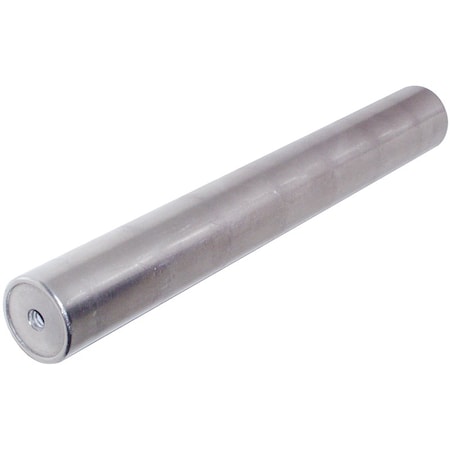
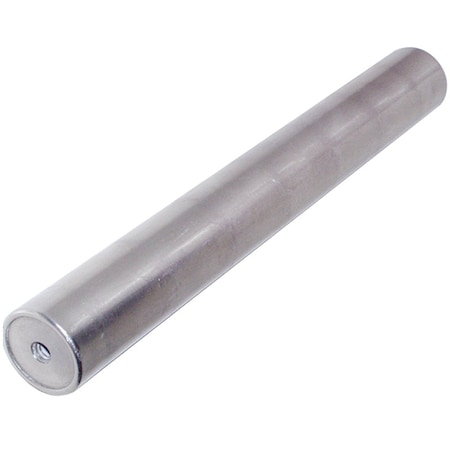
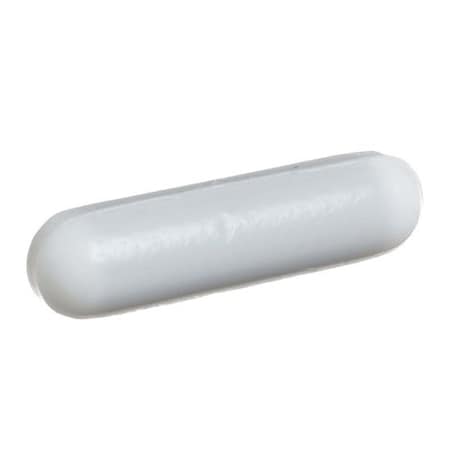
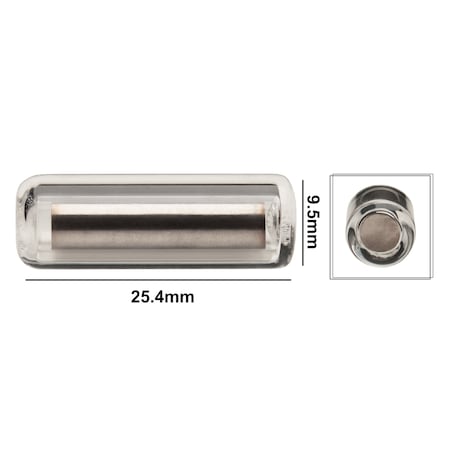
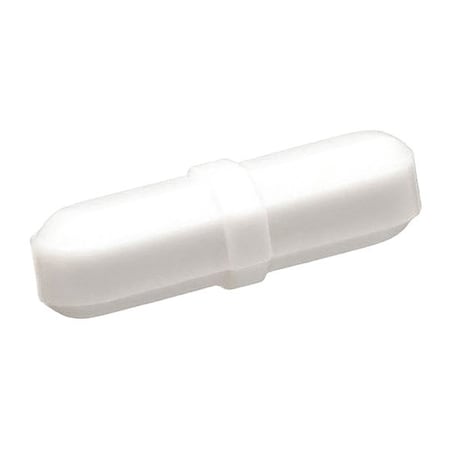
The most common material for stir bars is PTFE (polytetrafluoroethylene) as a coating, which gives them excellent chemical resistance and nonstick properties. The core of the stir bar is usually made of a magnetic material such as iron or alnico.
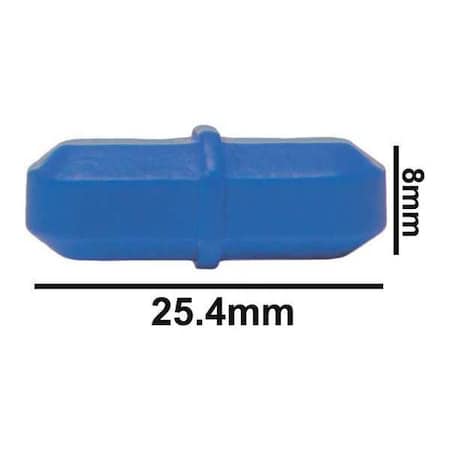
The largest stir bar size will vary based on the size of the container and the volume of liquid being stirred. However, the most commonly used sizes range from 25mm to 50mm in length and 7mm to 10mm in diameter.
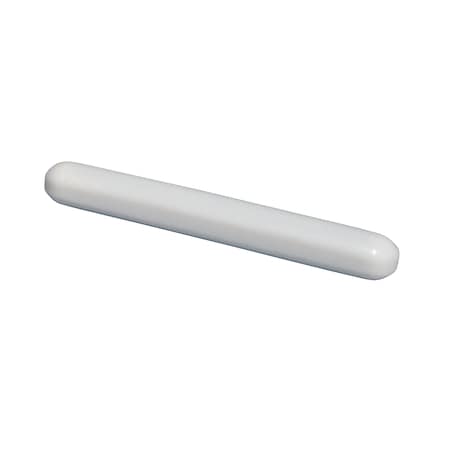
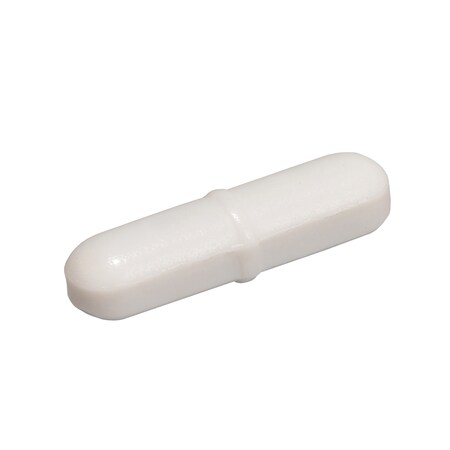
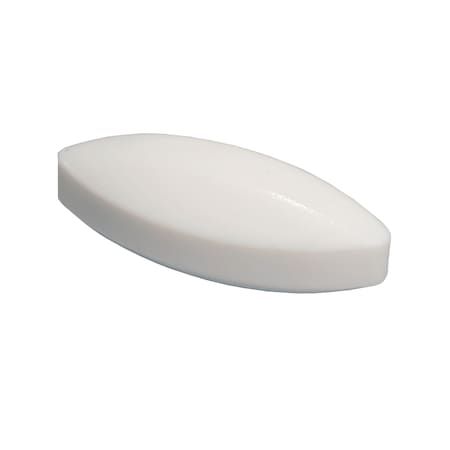
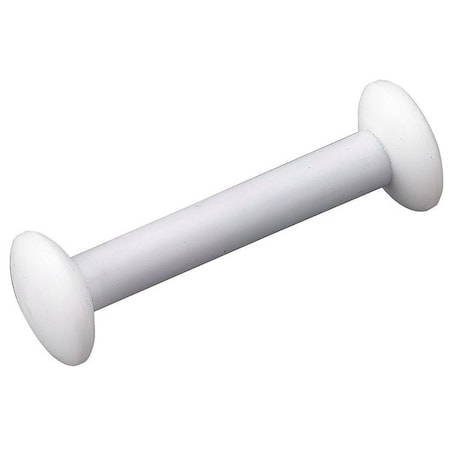
The shape of the stir bar should be chosen based on the shape of the container and the type of liquid being stirred. Cylindrical bars are generally suitable for most applications, but other shapes such as egg-shaped or triangular bars can be more efficient for stirring specific types of liquids or in certain geometries.