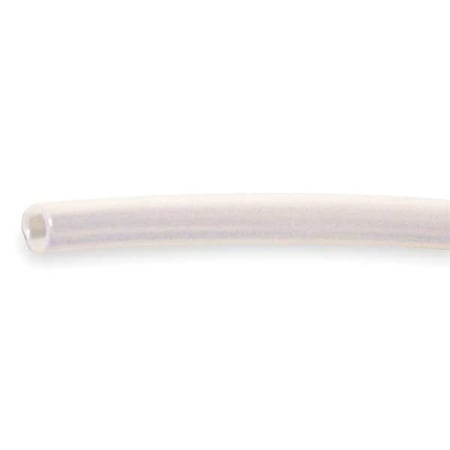
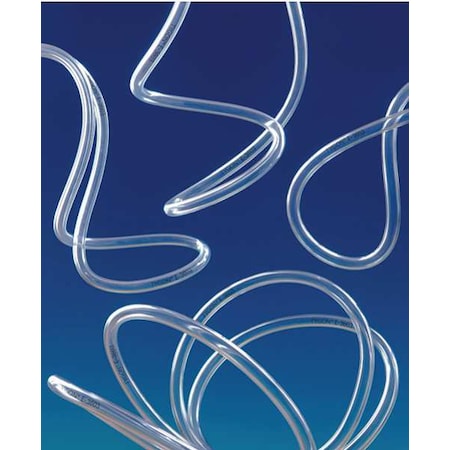
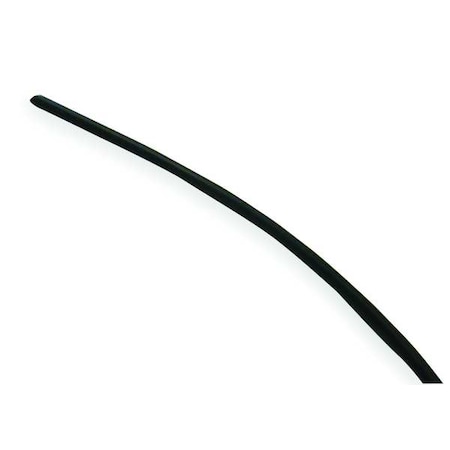
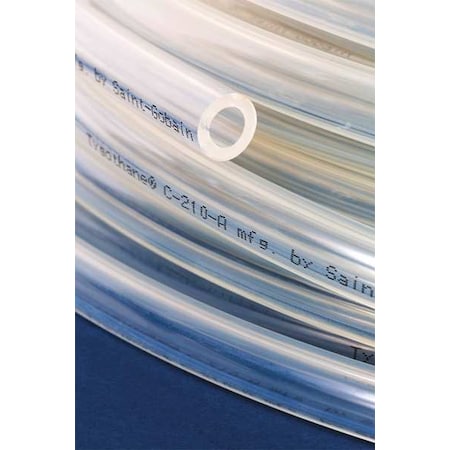
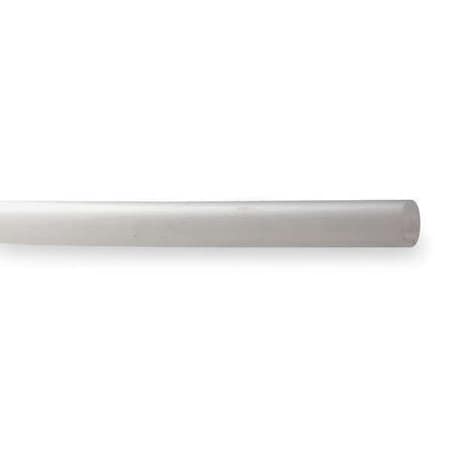
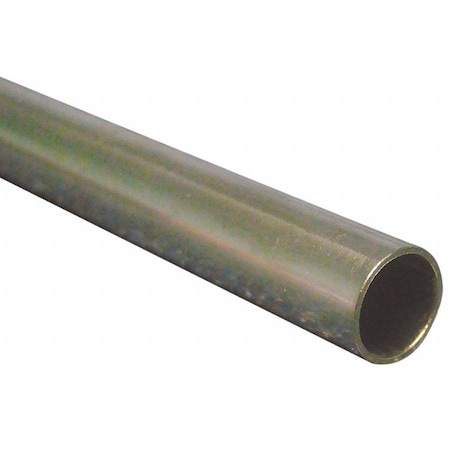
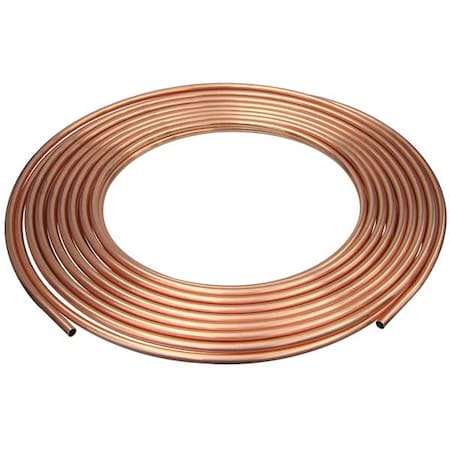
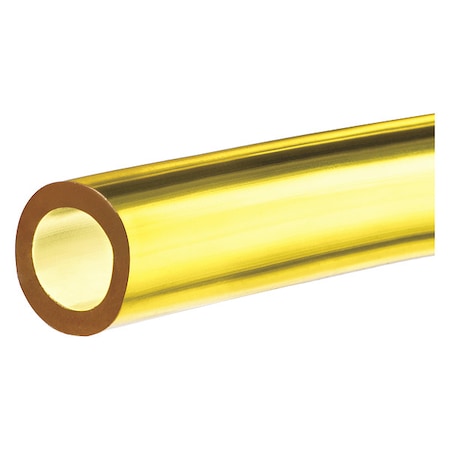
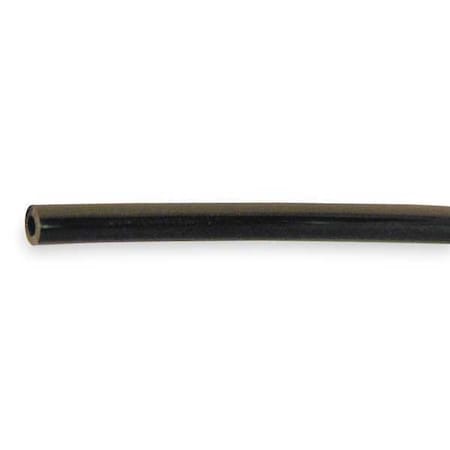
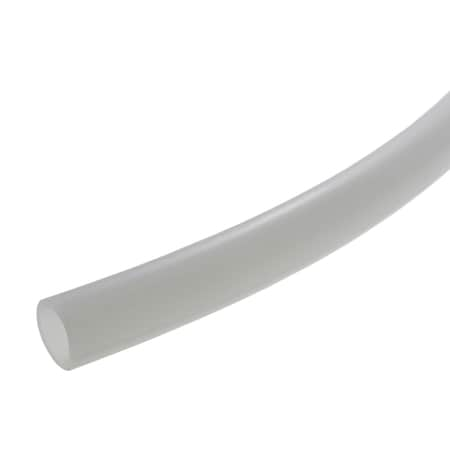
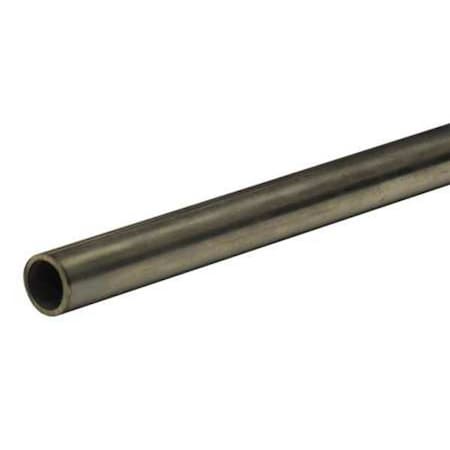
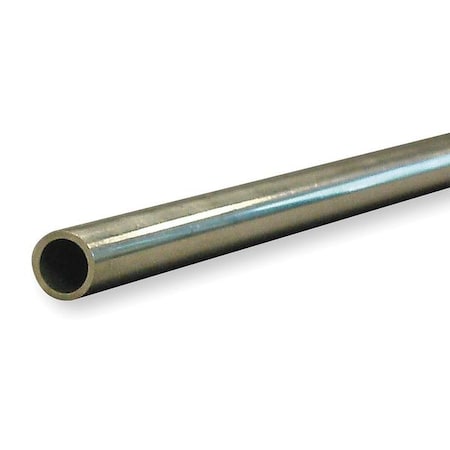
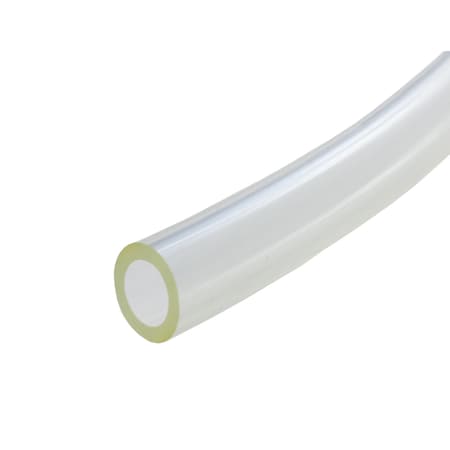
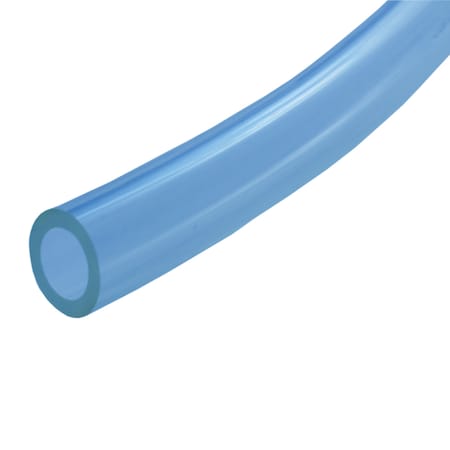
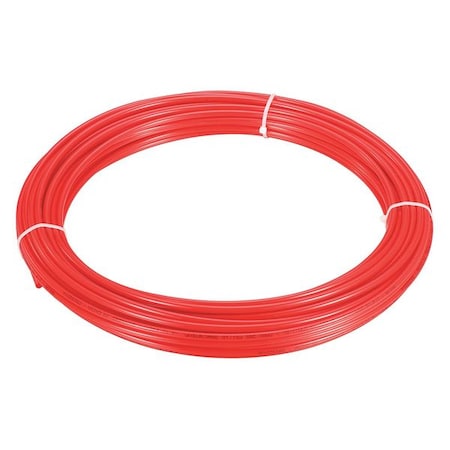
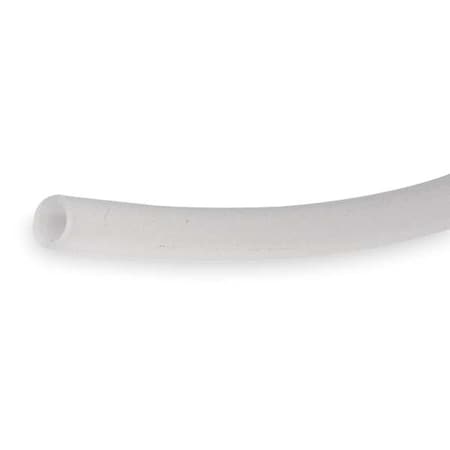
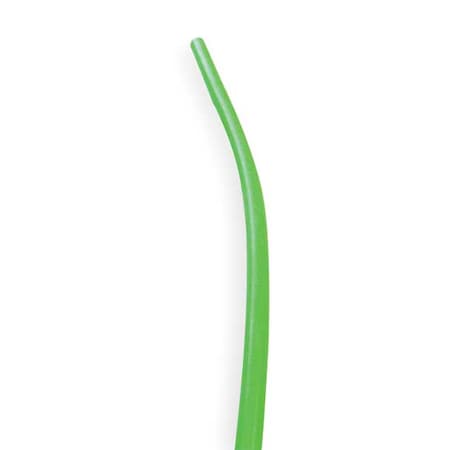
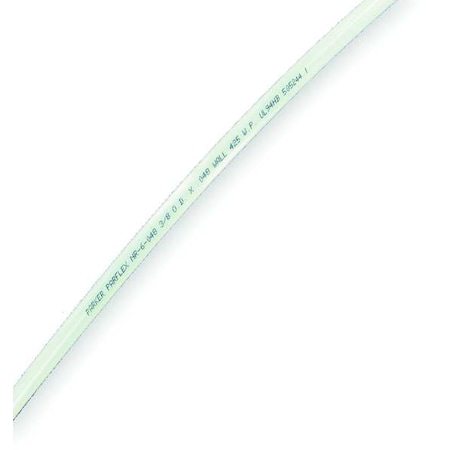
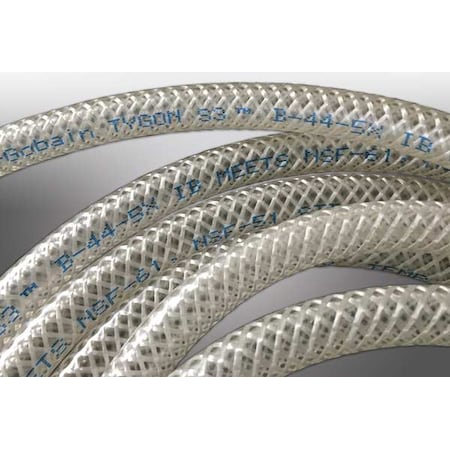
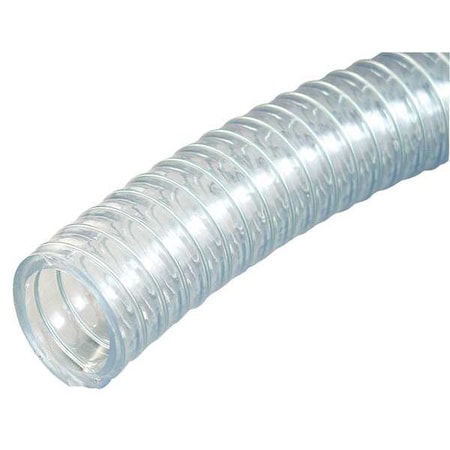
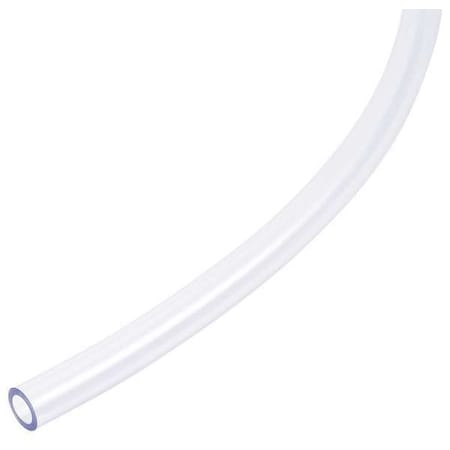
Our Tubing category encompasses a diverse range of small diameter pipes, crafted from materials like metal, plastic or rubber. These tubes are integral to transporting liquids, gases or solids across various industries including plumbing, automotive repair and manufacturing. With varying wall thicknesses and diameters, each type of tubing offers unique benefits depending on its application. Industrial tubing is often found in factories and warehouses while flexible plastic tubing caters to applications that require resistance to corrosion. Rubber tubing provides an excellent solution for high-temperature environments or when abrasive materials are involved. While similar in function to pipes and hoses, the key difference lies in their construction: pipes have thicker walls designed for high-pressure fluid transport whereas hoses offer more flexibility with larger diameters; meanwhile, our versatile range of tubings cater to both lower pressure applications and situations requiring rigidity or flexibility.
Frequently Asked Questions
Flexible tubing offers several advantages, including ease of installation, the ability to navigate tight spaces, resistance to corrosion and chemicals, and the capability to absorb vibrations and reduce noise levels.
Selecting the appropriate size and material for your tubing is crucial. Consider the flow rate requirements, pressure, temperature, and chemical compatibility of your system. Common materials used for tubing include copper, PVC, PEX, and stainless steel.
There is a range of fittings available for connecting and adapting plumbing tubing. These include compression fittings, sweat fittings, push-to-connect fittings, and barbed fittings, each designed for specific applications and materials.
Proper installation and maintenance are essential for a long-lasting and reliable plumbing system. Follow manufacturer's instructions carefully during installation. Regularly inspect your tubing for any leaks or damage and consider using insulation to protect it from extreme temperatures.