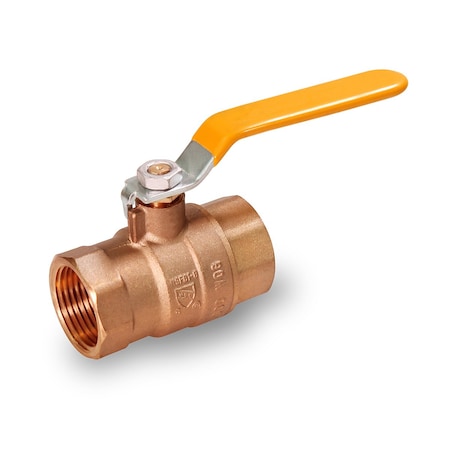
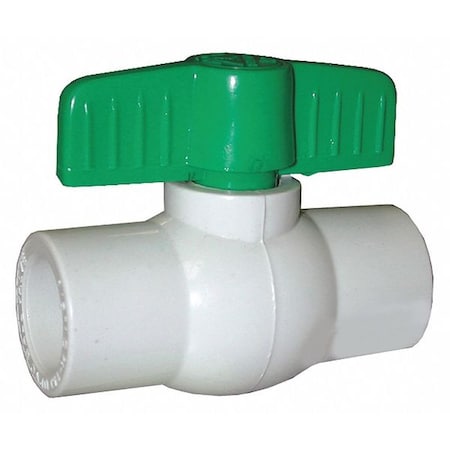
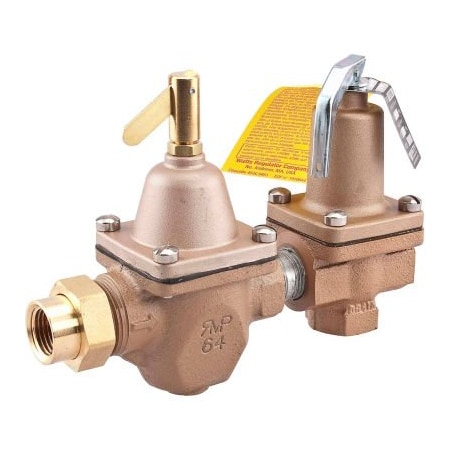
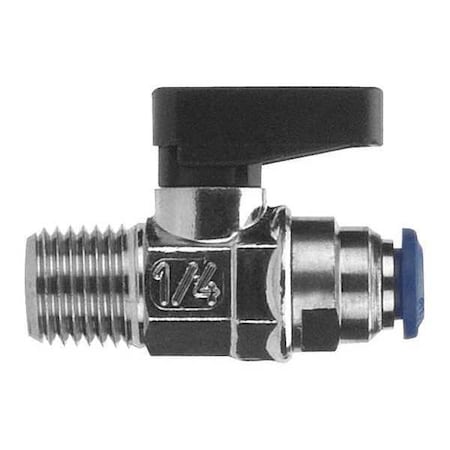
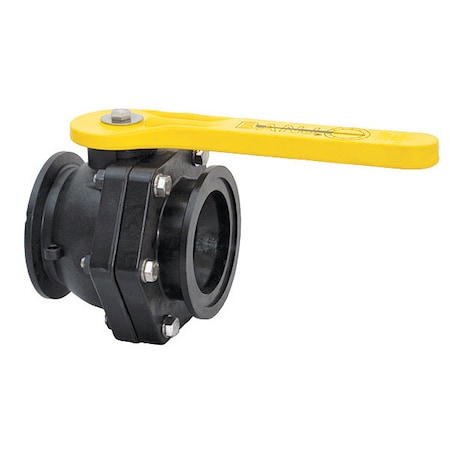
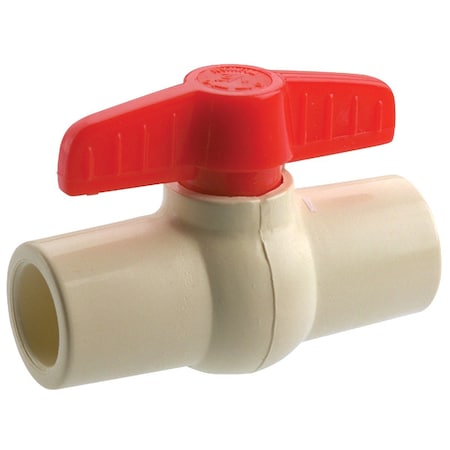
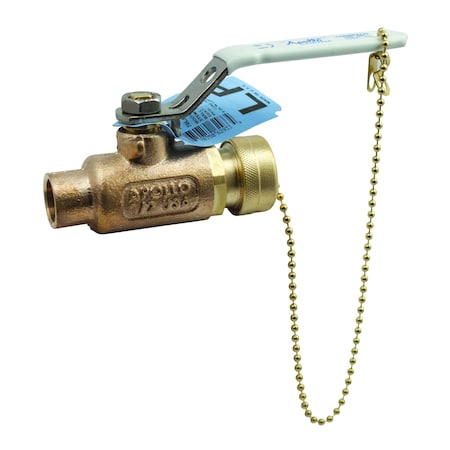
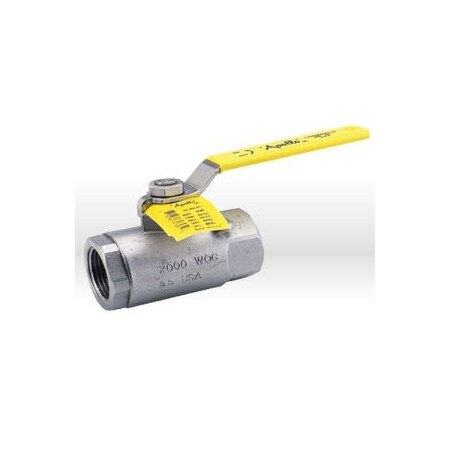
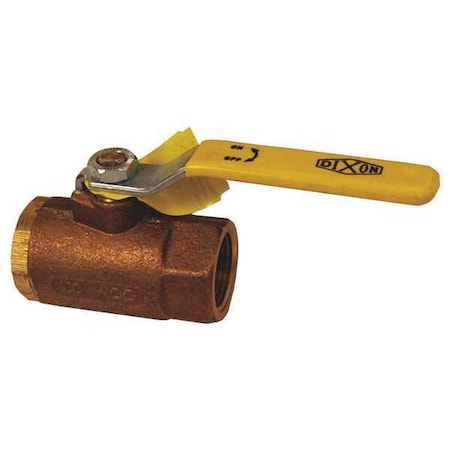
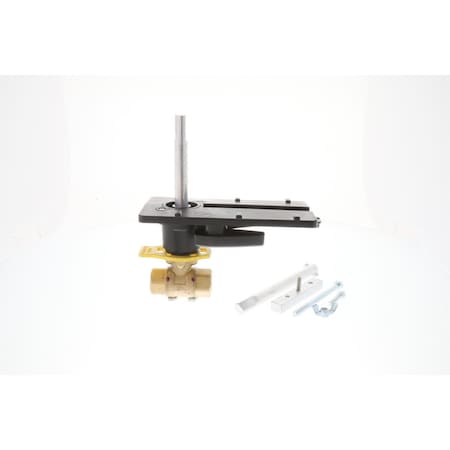
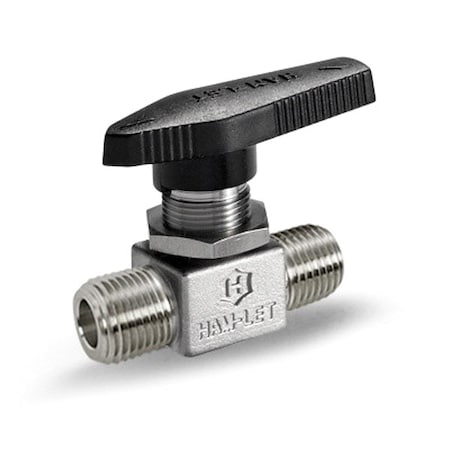
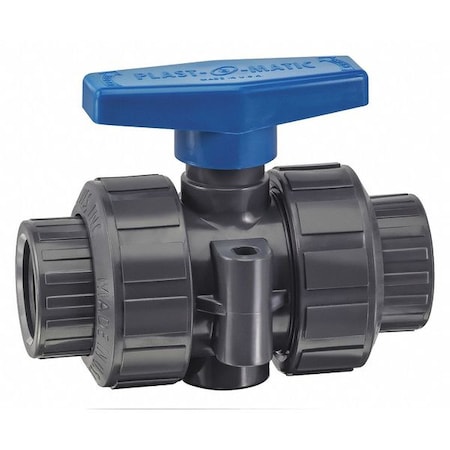
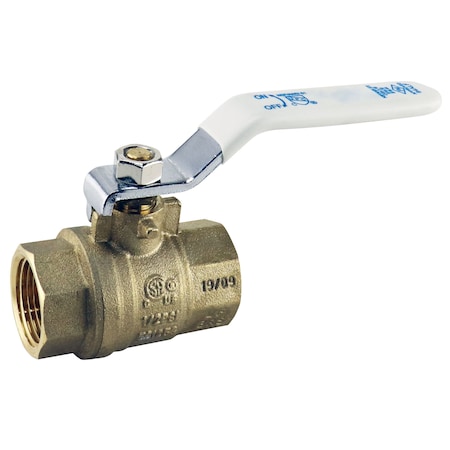
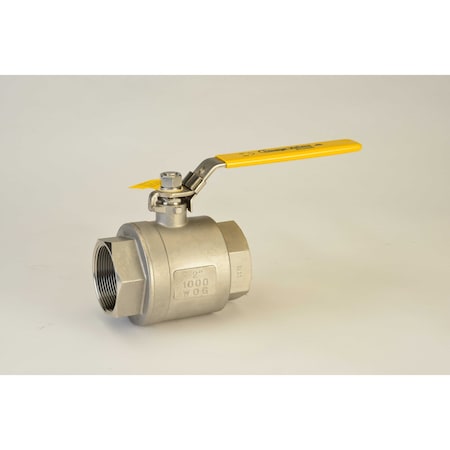
Ball valves are essential in many industries and applications, used to control the flow of liquids and gases through pipes and tubing systems. These valves provide a reliable and efficient way to regulate the flow of fluids, allowing for easy adjustment and control of the flow rate. Ball valves are versatile, durable, and can be used in various settings, making them a popular choice for many industries.
Frequently Asked Questions
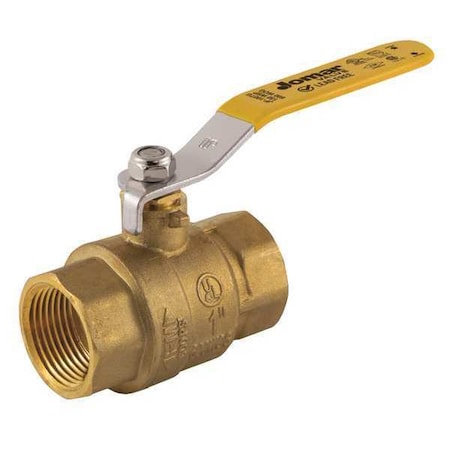
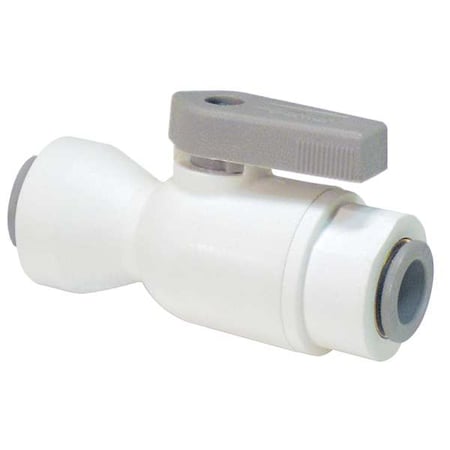
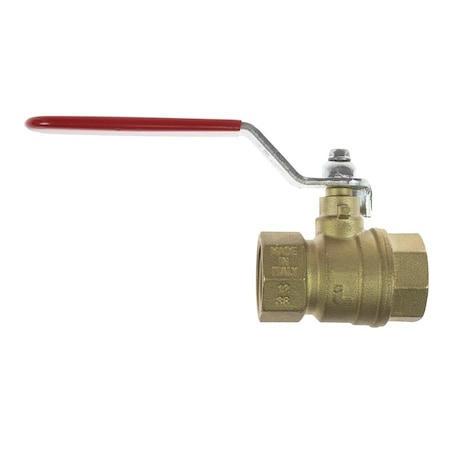
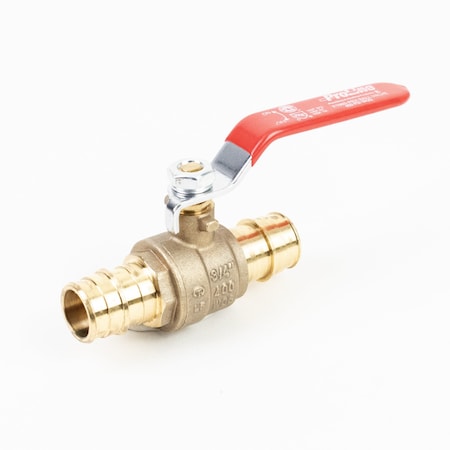
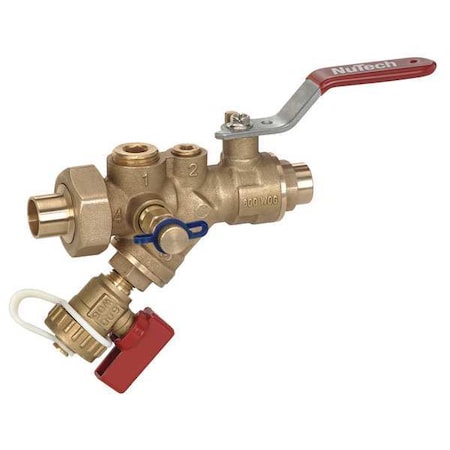
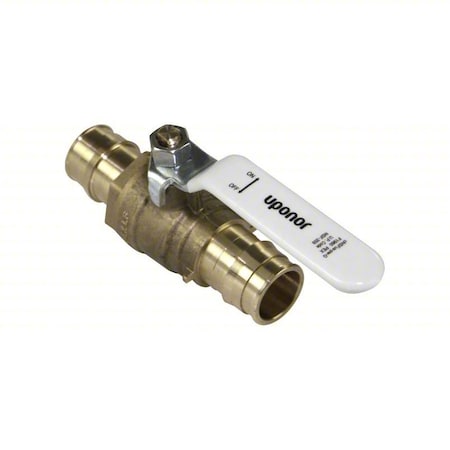
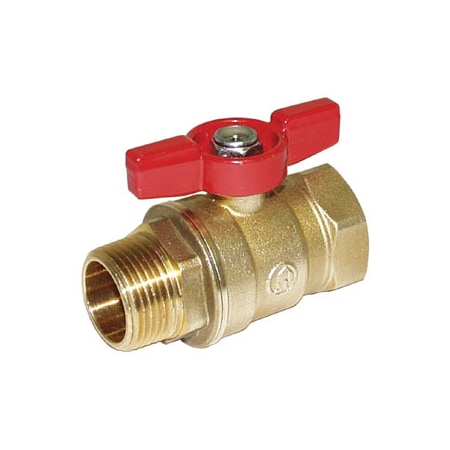
Ball valves can have various connection types, including threaded, flanged, compression, solder, and push-to-connect, catering to diverse piping systems.
Selecting the appropriate size is crucial. Consider the pipe diameter and flow requirements. Measure the existing pipe or consult plumbing codes to determine the required size.
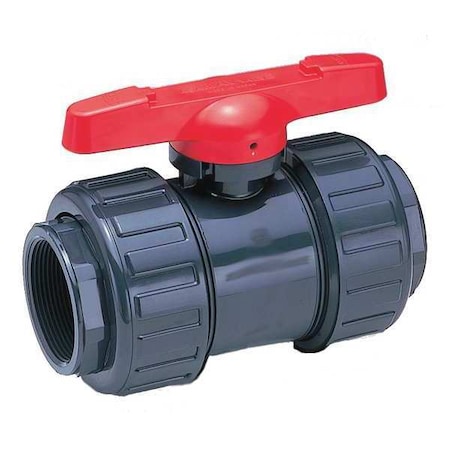
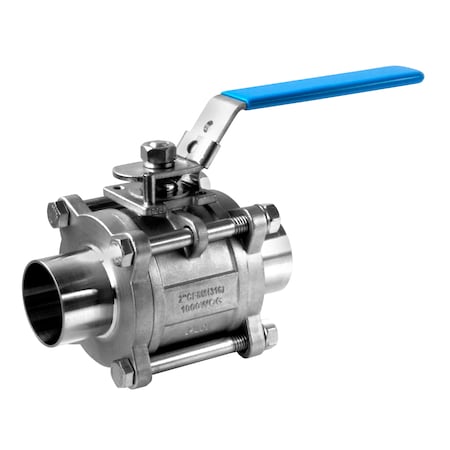
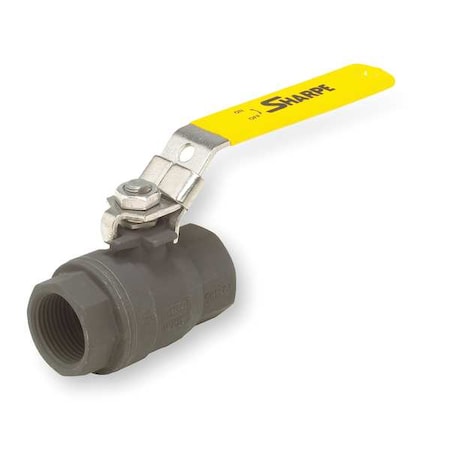
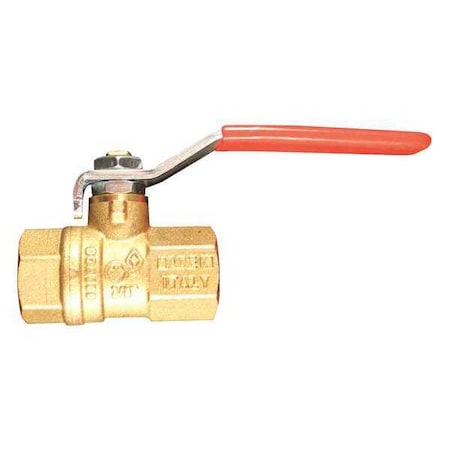
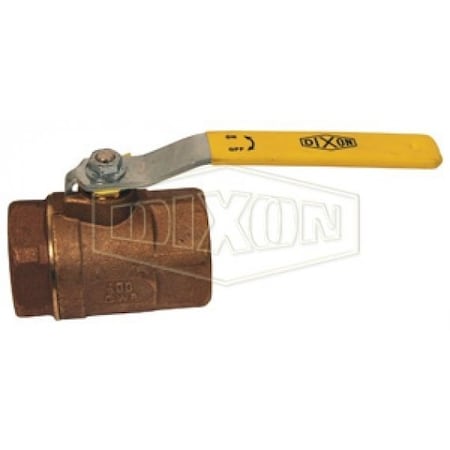
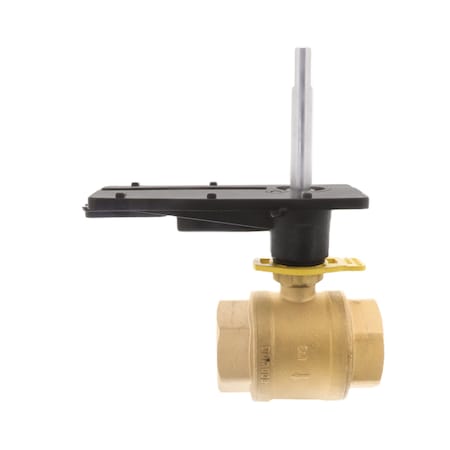
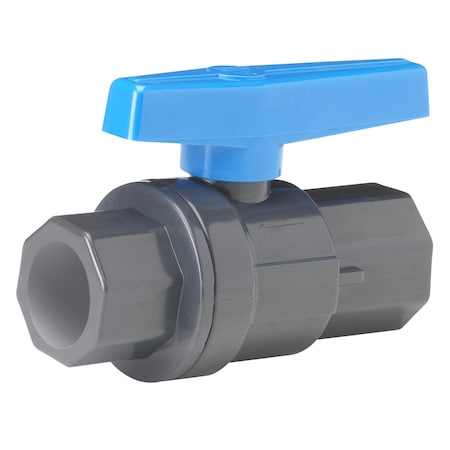
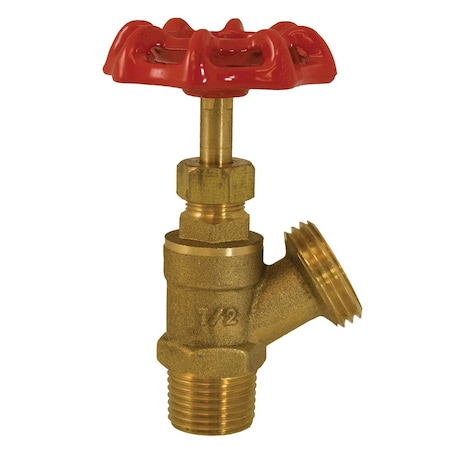
Ball valves are commonly constructed from materials like brass, bronze, stainless steel, PVC, and CPVC. Each material offers unique properties, such as corrosion resistance, durability, and temperature tolerance, suiting specific applications.
Installing a ball valve involves following specific steps. Shut off the water supply, cut the pipe as necessary, apply sealant tape to the valve threads, and tighten the valve into place using a wrench. Reopen the water supply and check for leaks.


 SS.jpg)