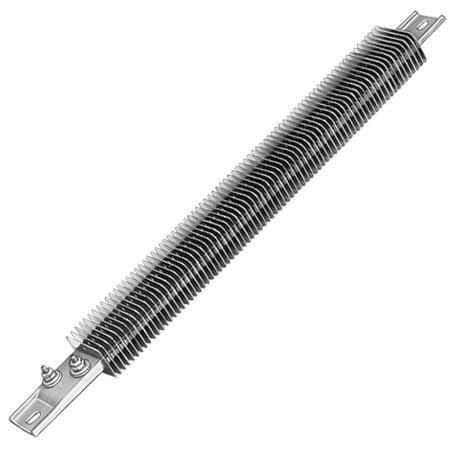
Electric process heaters are heating devices that convert electrical energy into thermal energy through the use of resistive elements, which are usually made of metal alloys. They are designed to heat process fluids, gases, and solids directly or indirectly for various industrial and manufacturing applications, providing precise temperature control and efficient heating solutions.
When selecting electric process heaters, key factors to consider include the type of fluid or material being heated, required temperature range, heating capacity, system pressure and temperature, available electrical power, installation space, desired response time, and the corrosive or hazardous nature of the environment where the heater will be used. Understanding these requirements ensures optimal heater selection and efficient heating performance.
Electric process heaters come in various types designed for different applications. Common types include immersion heaters, which are inserted directly into the fluid to be heated; circulation heaters, which heat fluids as they flow through them; band heaters, which wrap around cylindrical surfaces like pipes or vessels; cartridge heaters, which are inserted into holes drilled into solid objects; and radiant heaters, which emit infrared radiation to heat surfaces remotely.
Ensuring safety is paramount when using electric process heaters. Proper installation, grounding, and wiring are essential. Overheating and electrical hazards can be prevented by employing temperature controllers, fuses, and circuit breakers. Additionally, heaters should be regularly inspected and maintained to ensure they remain in good working condition, minimizing potential risks and ensuring longevity.