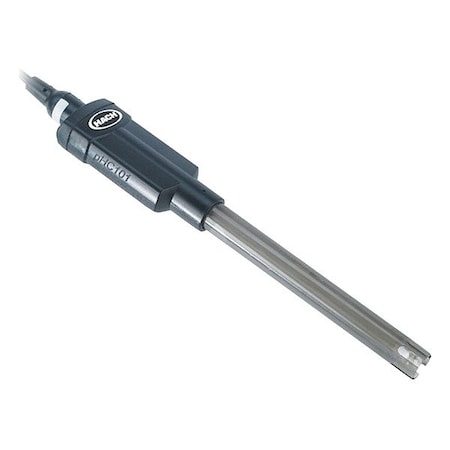
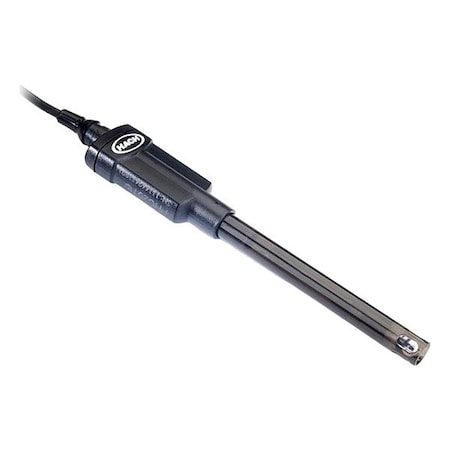
Some circuits have non-metallic parts, such as non-metallic liquids, gases, vacuums, or plasma. An electrode is a type of conductor that can make contact with those parts, and is widely used for water testing, such as a PH tester. It can also test for ORP, conductivity, dissolved oxygen, ammonia and other elements or compounds. A probe can sense and relay data on temperature or conductivity. For more on water testing, see our water testing meters, water testing meter accessories, and
water quality testing kits.
Frequently Asked Questions
A wide variety of electrodes are available for diverse applications, including reference electrodes, ion-selective electrodes, pH electrodes, dissolved oxygen electrodes, and conductivity electrodes.
Probe selection depends on factors such as the analyte being measured, temperature range, and required accuracy. Our technical support team can assist you in finding the optimal probe for your specific needs.
Electrodes and probes require regular cleaning and calibration to ensure optimal performance and accuracy. Specific maintenance procedures vary depending on the type of electrode or probe.
Proper storage, careful handling, and following recommended maintenance practices can significantly extend the lifespan of your electrodes and probes.