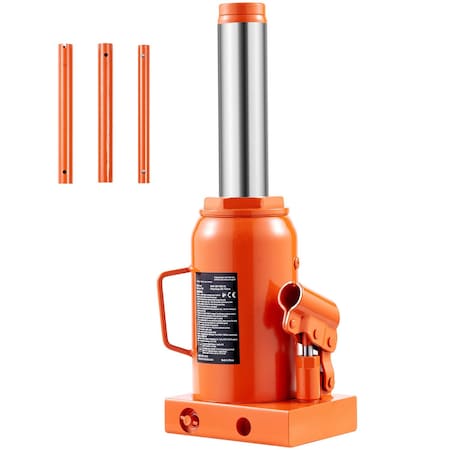
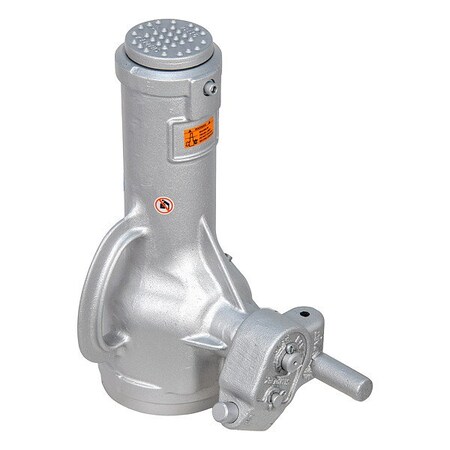
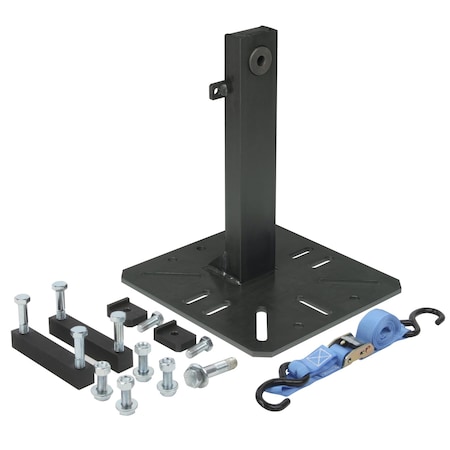
There are several types of jacks, each designed for specific purposes and weight capacities. Floor jacks are ideal for larger vehicles, offering higher lifting heights and stability. Scissor jacks are compact and suitable for basic tire changes or maintenance. Bottle jacks are powerful and good for lifting heavy vehicles, while Hi-Lift jacks provide excellent reach and versatility for off-roading and recovery situations.
Selecting the appropriate jack depends on your vehicle's weight, lifting requirements, and intended use. Floor jacks are recommended for heavy-duty lifting, while scissor jacks are suitable for lighter vehicles and quick tire changes. Bottle jacks are powerful and portable, ideal for larger vehicles and off-road scenarios. Consider the lifting height, capacity, and ease of use when making your choice.
Jack safety is paramount. Ensure the jack is placed on a stable and level surface. Engage the parking brake and chock the wheels opposite the jack. Use jack stands or ramps for added stability and never work under a vehicle supported only by a jack. Inspect the jack regularly for any damage or wear, and always follow the manufacturer's instructions carefully.
Regular maintenance extends the life and functionality of your jack. Keep it clean and free from dirt or debris. Lubricate all moving parts according to the manufacturer's guidelines. Inspect your jack before each use for any signs of wear or damage. Store the jack in a dry place when not in use. Following these maintenance tips ensures your jack remains reliable and safe for all your vehicle lifting needs.