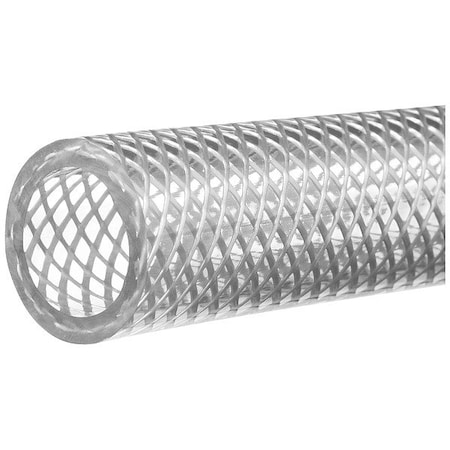
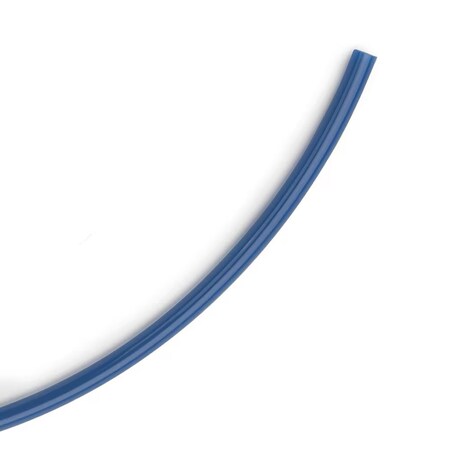
Polyurethane Tubing is a versatile and flexible material widely used across various industries, including automotive, medical, aerospace, food processing, pharmaceuticals, and even robotics. These tubes are crafted from diverse base materials like rubber or plastic that undergo chemical treatment to form a polymer. This process ensures the tubing's flexibility and strength. They come in multiple sizes with options for more flexible variants to suit different applications. The choice of polyurethane tubing largely depends on its intended use - whether for transporting liquids or gases or other industrial purposes due to their durability and efficiency.
Frequently Asked Questions
Polyurethane tubing is a versatile material with a wide range of uses in plumbing applications. It is commonly utilized for conveying liquids and gases, such as water, air, and chemicals. Its flexibility and durability make it suitable for various plumbing systems, including pneumatic lines, beverage dispensing systems, and irrigation setups.
Polyurethane tubing offers several advantages over traditional plumbing materials. It is highly flexible, making it easy to route and install in tight spaces. Its resistance to kinking and abrasion ensures long-lasting performance, minimizing the risk of leaks and failures. Additionally, polyurethane tubing is lightweight and non-toxic, making it safe for use in various applications.
Selecting the appropriate polyurethane tubing size and type depends on the specific application. Consider the flow rate, pressure, and temperature requirements of your system. The inner diameter of the tubing should be large enough to accommodate the required flow without creating excessive pressure drop. The tubing material should also be compatible with the fluids being conveyed and the operating conditions.
Installing polyurethane tubing requires careful attention to ensure proper performance. Use appropriate fittings and clamps to secure the tubing connections and prevent leaks. Ensure that the tubing is not twisted or kinked during installation, as this can restrict flow and weaken the material. Allow sufficient slack in the tubing to accommodate expansion and contraction due to temperature changes.