


How Do Plumbers Unclog Drains? 10 Essential Tools Business Owners Should Know
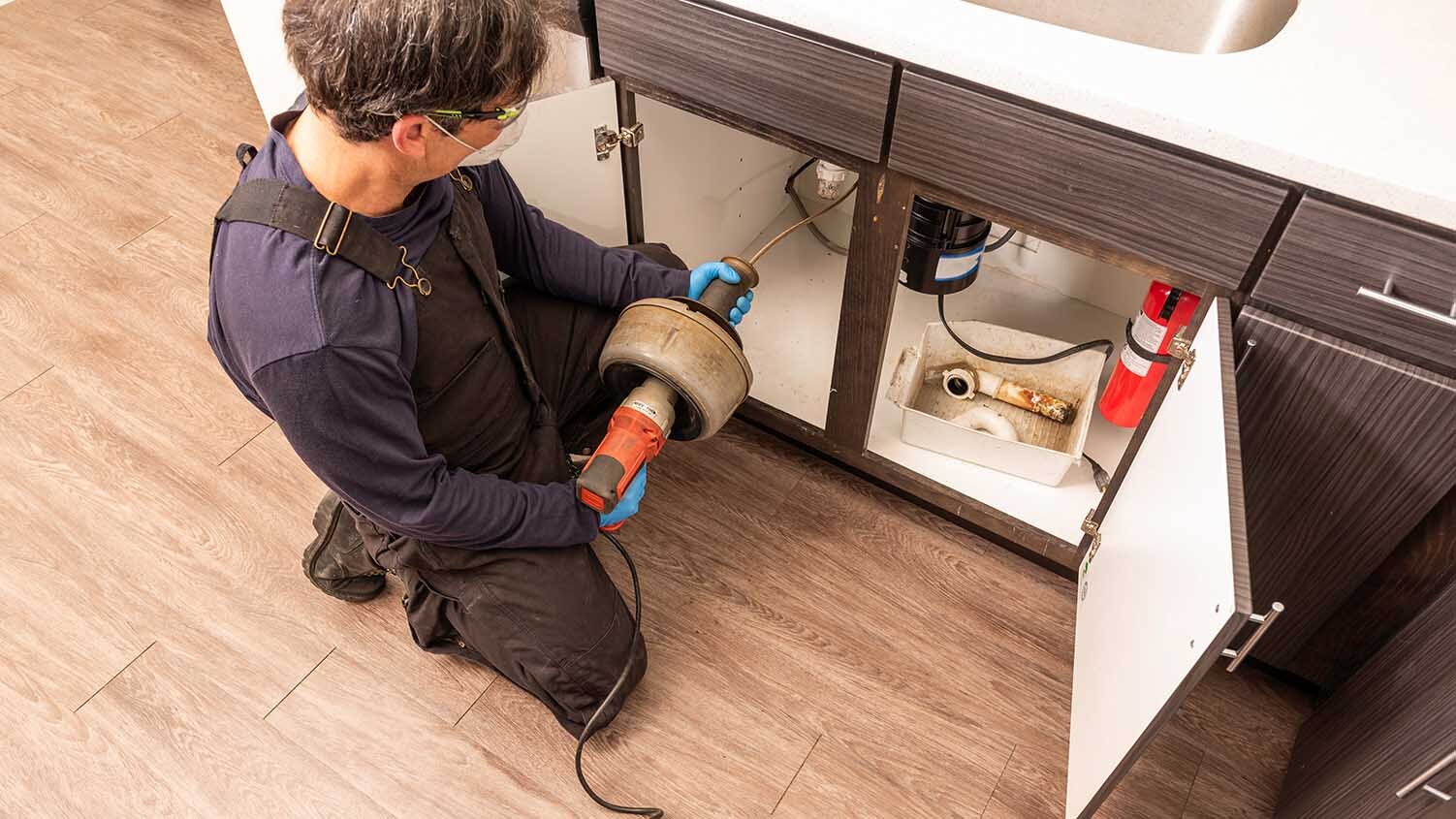
A clogged drain can disrupt operations and create costly downtime. Whether you manage a restaurant, run a manufacturing facility, or oversee multiple properties, understanding how plumbing professionals approach drain issues can help you take the next right step, whether that’s a quick fix or a scheduled service. Today’s plumbers use a combination of manual tools, maintenance products, and advanced technology to clear clogs and maintain flow across a variety of systems. Below, we’ll walk through ten tools commonly used in drain cleaning services, including solutions that support long-term performance in both residential and commercial drain cleaning settings.
1. Cup Plunger
Often the first tool in the toolbox, the cup plunger is ideal for flat surfaces like sinks and bathtubs. Its rubber dome creates suction to dislodge minor blockages. Businesses with employee break rooms or kitchenettes often keep one on hand for simple clogs.
2. Flange Plunger
When comparing a flange plunger to a cup plunger, the flange design is built specifically for toilets. The extended rubber flap fits into curved drain openings to create a stronger seal, helping address issues like overflow or recurring toilet blockages.
3. Drain Snake (Hand Auger)
A drain snake is a flexible cable that can reach several feet into pipes, ideal for deeper clogs in bathroom sinks or showers. It can be helpful for clearing debris in bathroom drains or utility sinks, especially in settings with consistent soap or grease buildup.
4. Toilet Auger
For toilets that continue to clog despite plunging, a toilet auger may offer a solution. This tool is designed to navigate porcelain curves and reach further into the line than a plunger, helping to dislodge solid material or paper buildup.
5. Enzyme Drain Cleaner
To support maintenance between service calls, many professionals recommend enzyme drain cleaner for use in kitchens, restrooms, and break areas. These cleaners use naturally occurring bacteria to break down organic matter like food waste and soap residue. They’re often used in preventative maintenance plans for commercial facilities.
6. Drain Clog Remover Sticks
Small but practical, drain clog remover sticks dissolve over time to help prevent buildup inside pipes. Many business owners use them in tandem with drain pipe cleaning services to support ongoing cleanliness and minimize the risk of odor or slow drainage.
7. Plumbing Air Blaster
When a clog is located near the opening of the pipe, a plumbing air blaster may help. This tool sends a burst of compressed air into the system, pushing debris through without the need for disassembly. It’s one of several options plumbers may use for minor or localized clogs.
8. CCTV Drain Camera Inspection
For ongoing issues or unexplained backups, a CCTV drain camera inspection offers visibility inside the pipes. These cameras allow plumbers to pinpoint the exact location of a clog, identify structural problems, and inform next steps. They're commonly used for main drain line cleanout and to support high-traffic or industrial plumbing systems.
9. Hydro Jetting Drain Cleaning
In commercial or industrial environments where buildup accumulates quickly, hydro jetting may be used to clean drains. This method sends high-pressure water through the pipe to clear grease, sludge, and debris. It’s often part of scheduled commercial drain cleaning to reduce emergency maintenance needs.
10. Sewer Jetter Equipment
Designed for long sewer lines or large-diameter pipes, sewer jetter equipment includes specialized nozzles and flexible hoses that can navigate complex systems. This equipment is commonly used by professional service providers offering drain pipe cleaning services in multifloor buildings or industrial facilities.
Tips for Addressing a Clogged Drain
If you're dealing with a clogged drain, there are a few methods that may help resolve the issue.
- Start with a plunger—place it over the drain and add enough water to cover the cup to create a seal. Then, pump it up and down to build pressure and help loosen the blockage.
- If that doesn’t clear the clog, a manual drain snake may be useful. Gently feed the snake into the drain while turning the handle. If you encounter resistance, carefully rotate it to help break up the obstruction.
- Some people choose to apply a chemical drain cleaner. If you go this route, follow all manufacturer instructions and wear proper personal protective equipment, such as gloves and safety goggles.
- For more stubborn clogs, it may be necessary to remove the drain trap to check for visible buildup. Always proceed with caution, and consider reaching out to a qualified plumber if the clog persists or you’re unsure about next steps.
Note: Frequent use of chemical cleaners can contribute to pipe wear over time. Preventive maintenance, including routine cleaning and debris screening, can help support long-term drainage performance.
Final Thoughts
Whether you're managing a quick fix or coordinating a cleanout of a main drain line, knowing how plumbers choose their tools—based on the type, location, and severity of the blockage—can help you make informed decisions for your business. For business owners and facilities teams, having a basic understanding of these tools supports clearer communication with service providers and can contribute to more efficient maintenance planning. Looking to equip your team for everyday plumbing upkeep? Zoro carries a broad selection of drain tools to help keep your systems and your operation on track.
Product Compliance and Suitability
The statements contained in this guide are intended for general informational purposes only. Such statements do not constitute a product recommendation or representation as to the appropriateness, accuracy, completeness, correctness, or currentness of the information provided. Information provided in this guide does not replace the use by you of any manufacturer instructions, technical product manual, or other professional resource or adviser available to you. Always read, understand, and follow all manufacturer instructions. Portions of this article were generated in part by ChatGPT, and edited by a member of the Zoro team.
