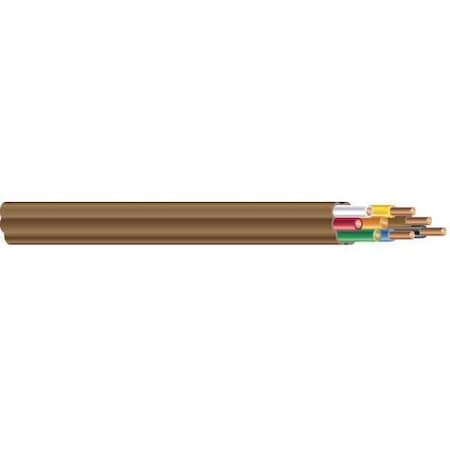
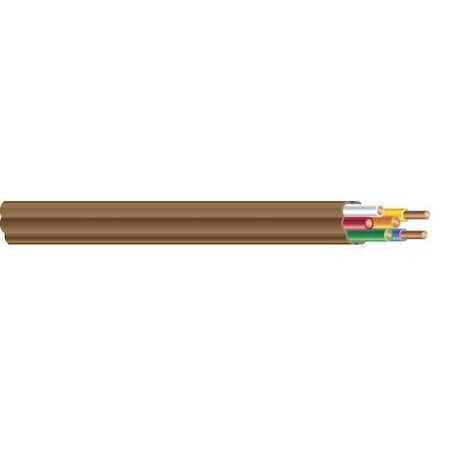
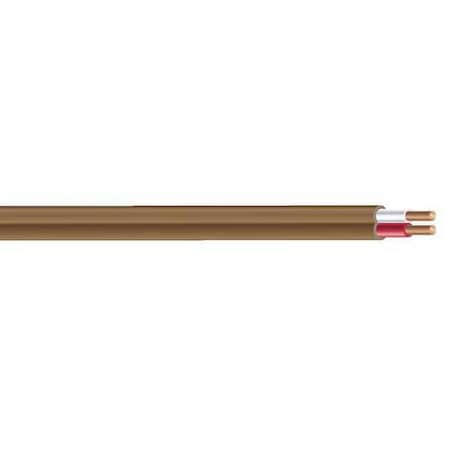
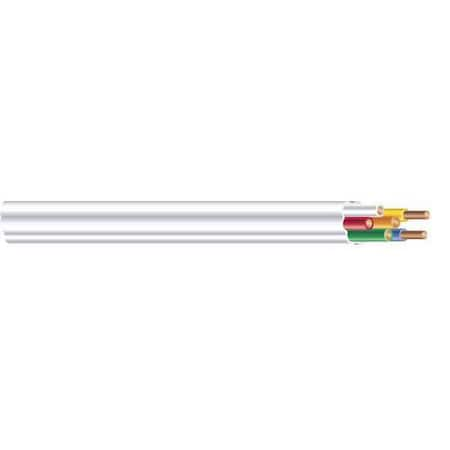
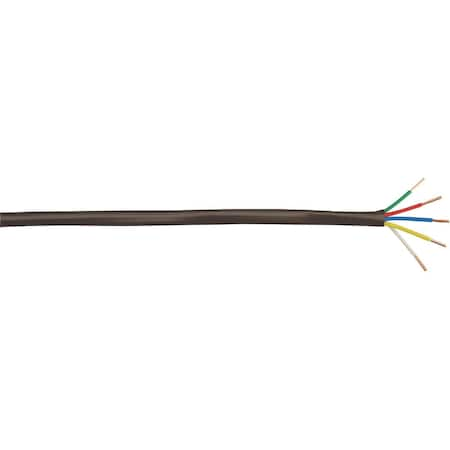
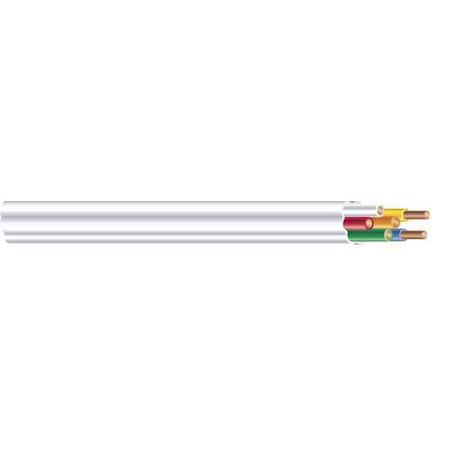
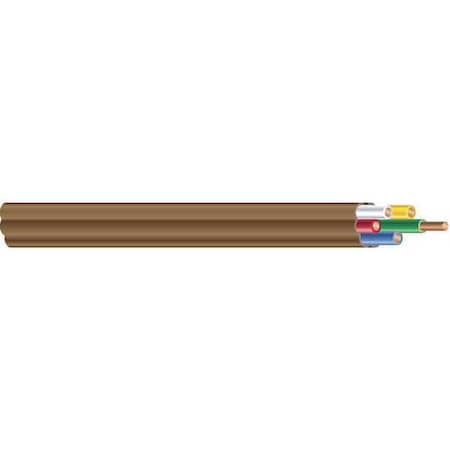
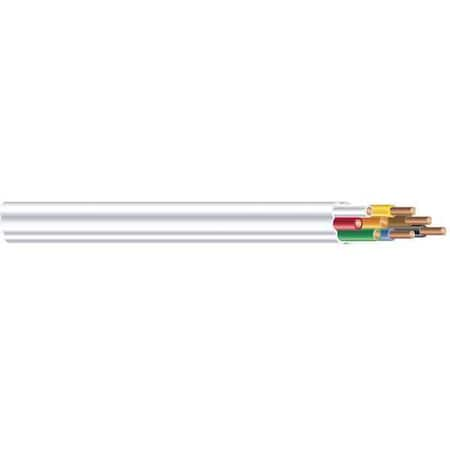
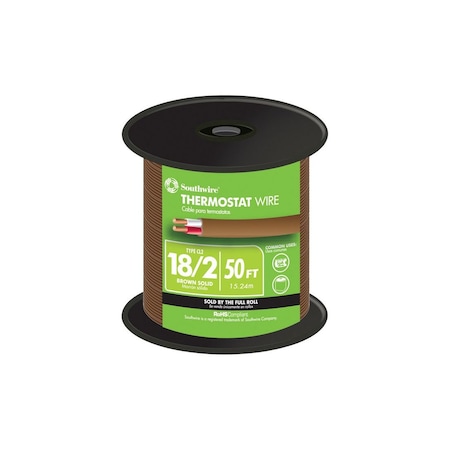
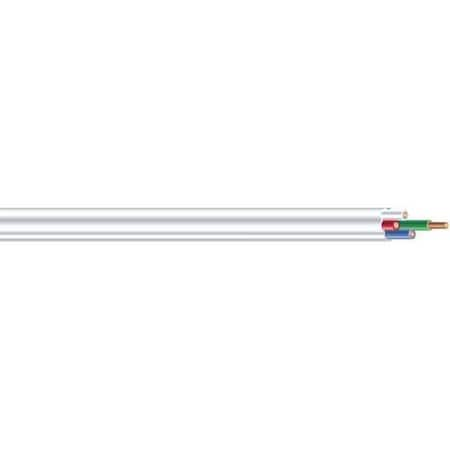
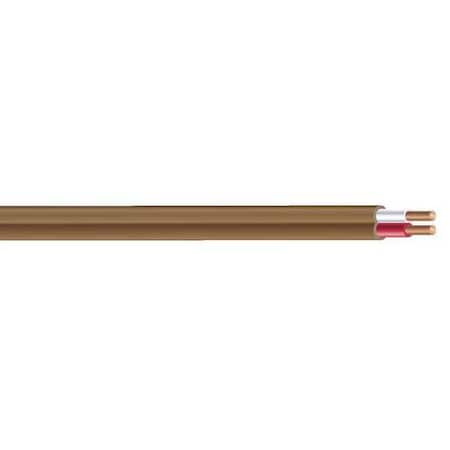
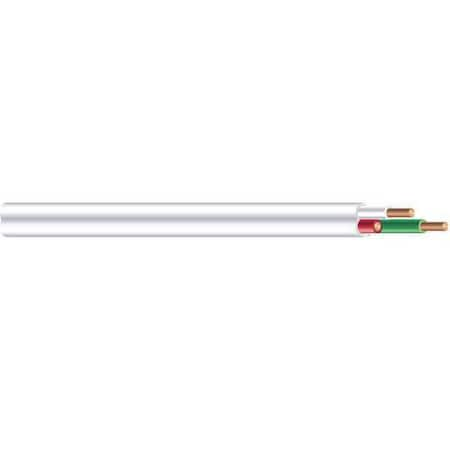
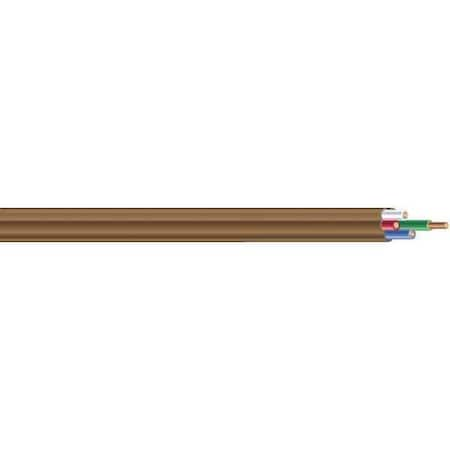
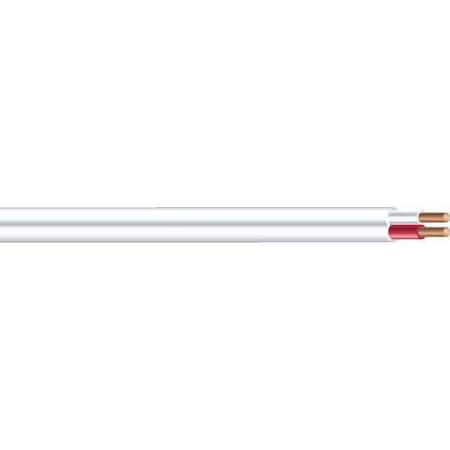
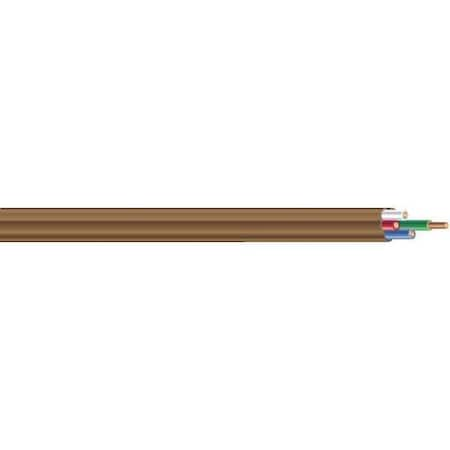
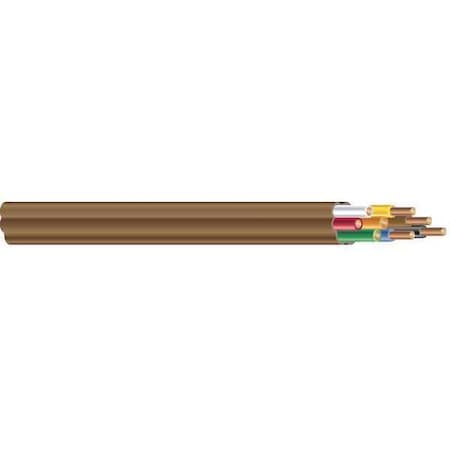
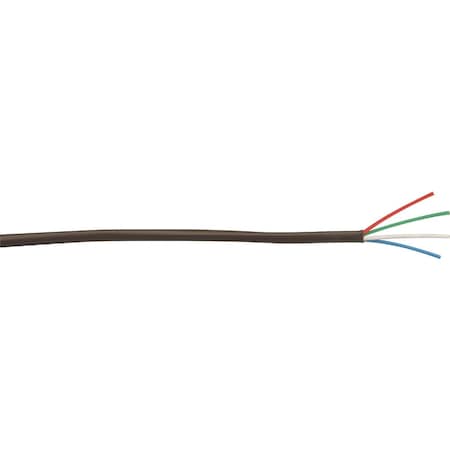
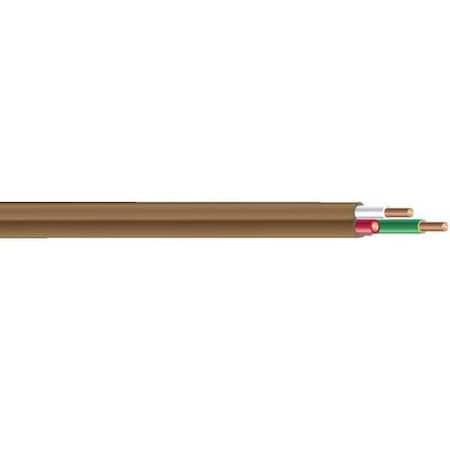
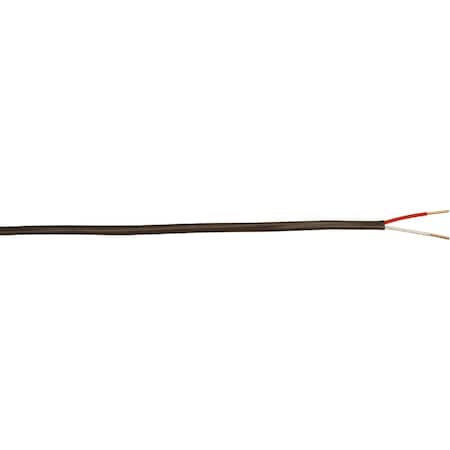
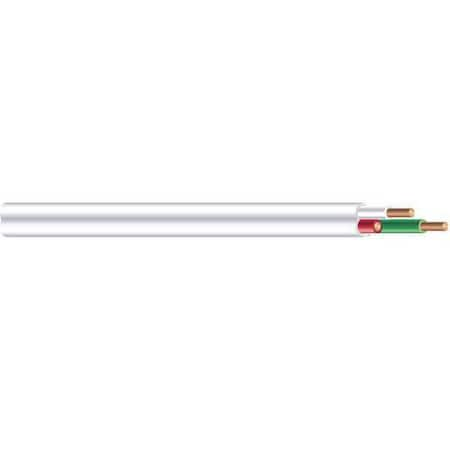
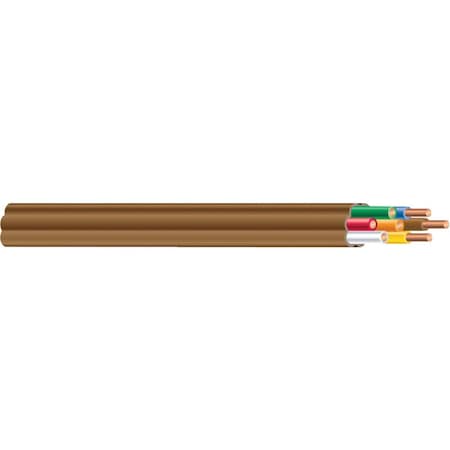
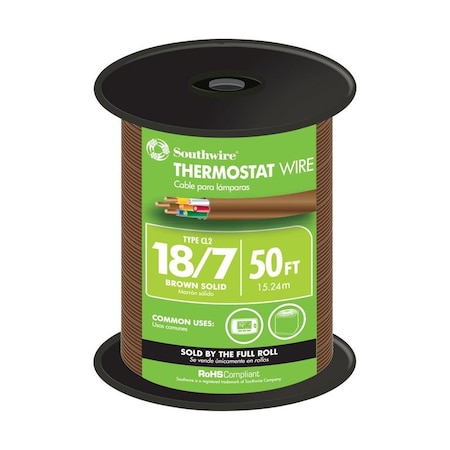
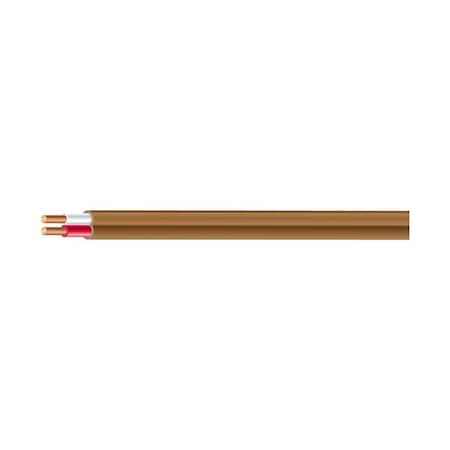
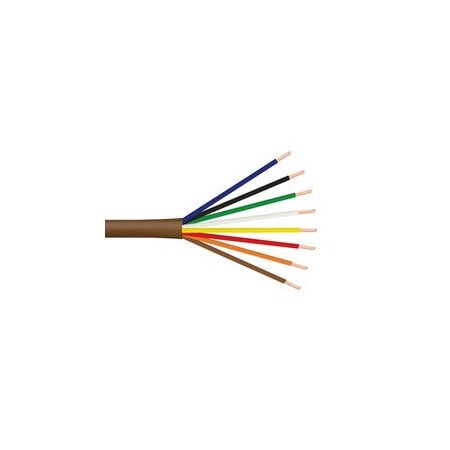
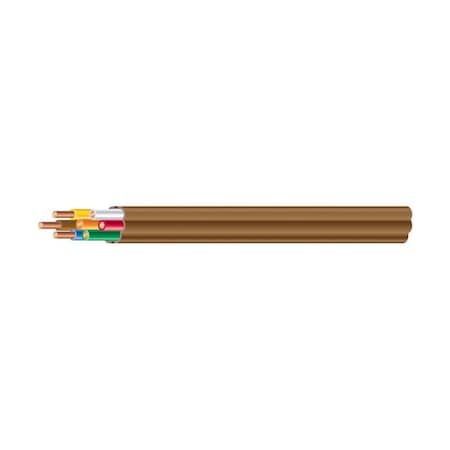
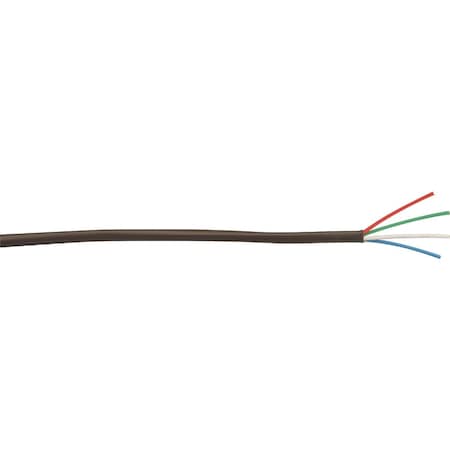
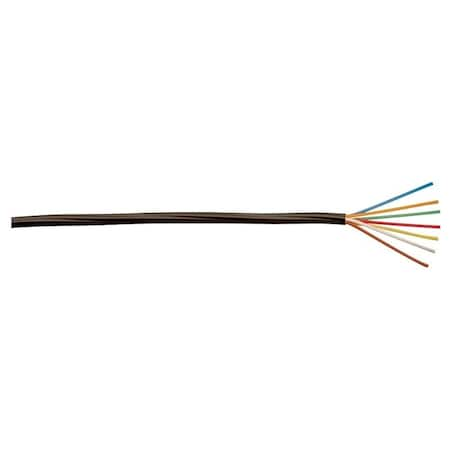
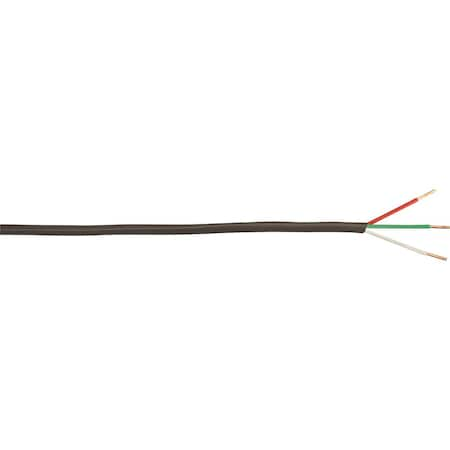
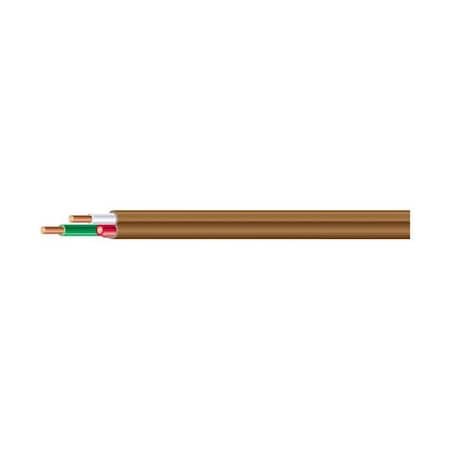
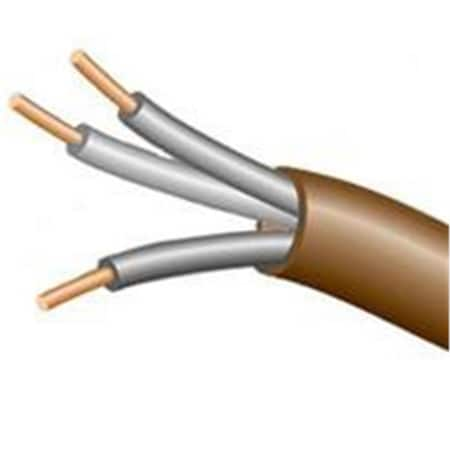
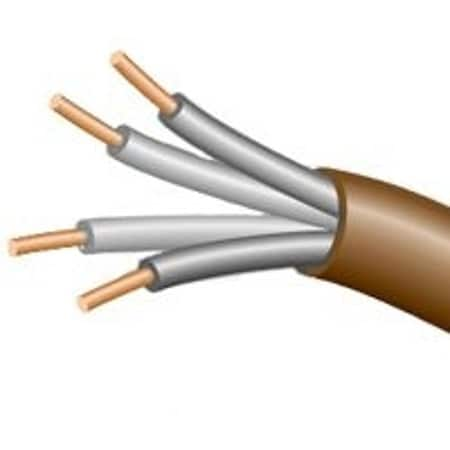
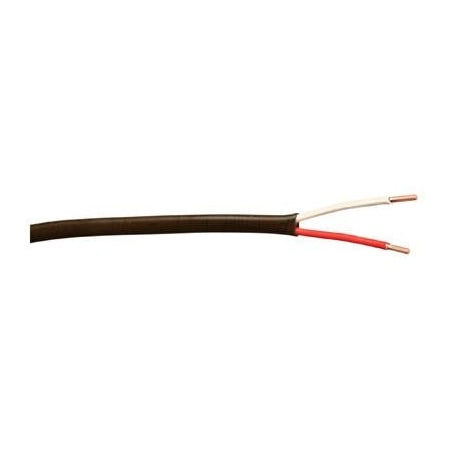
Thermostat cables are used in the regulating of temperatures in a room or dedicated space. As HVAC thermostat wiring, these cables are typically composed of conductors, in the form of separate wires, encased in a plastic jacket. Each of the wires delivers current to a separate component or switch operated by the thermostat switch. Typically two to six components may be powered by the current coming through the cable's wire from a 2 to 6 wire thermostat, including any or all of the following: furnace (usually a white wire), compressor (usually yellow), 24 VAC (usually red), fan (usually green), and others. Cables vary by number of conductors (encased wires), voltage, spooling, length, wire size (AWG), jacket color, compliance standards met, and other considerations. For more on HVAC thermostat wiring products, see our low voltage thermostats and wire connectors.
Frequently Asked Questions
There are two main types of thermostat cable: single-conductor and two-conductor. Single-conductor cable is typically used for simple applications, such as controlling a single thermostat, while two-conductor cable is used for more complex applications, such as controlling multiple thermostats or a thermostat and a humidifier.
The size of thermostat cable you need depends on the amperage of the thermostat. For most residential applications, 18-gauge thermostat cable is sufficient. However, if you are using a high-amperage thermostat, you may need to use 16-gauge or 14-gauge cable.
Installing thermostat cable is a relatively simple process. First, you need to determine the location of the thermostat and the heating or cooling unit. Once you have determined the location, you need to run the cable from the thermostat to the heating or cooling unit. You can do this by running the cable through the walls or by using a surface-mounted conduit.
Using thermostat cable offers a number of benefits, including: improved accuracy, increased efficiency, and longer lifespan. Thermostat cable helps to ensure that the thermostat is receiving an accurate reading of the temperature, which can lead to more efficient heating or cooling. In addition, thermostat cable is designed to withstand the rigors of the environment, which can help to extend its lifespan.