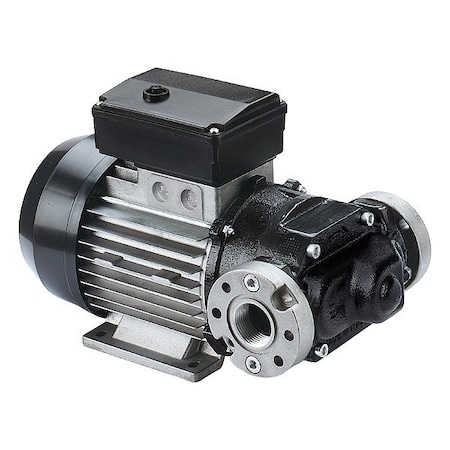
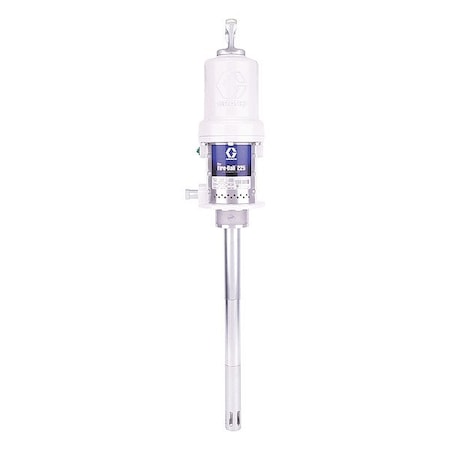
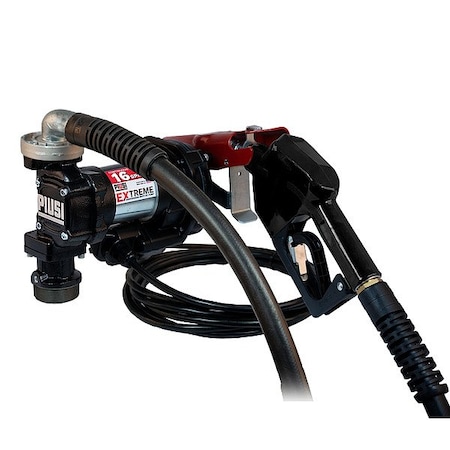
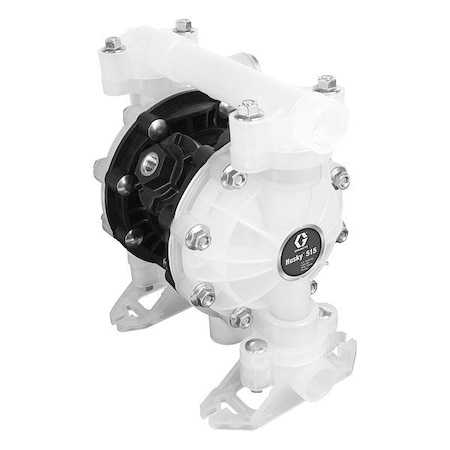
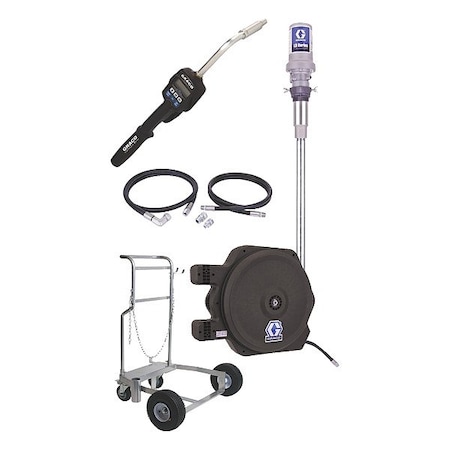
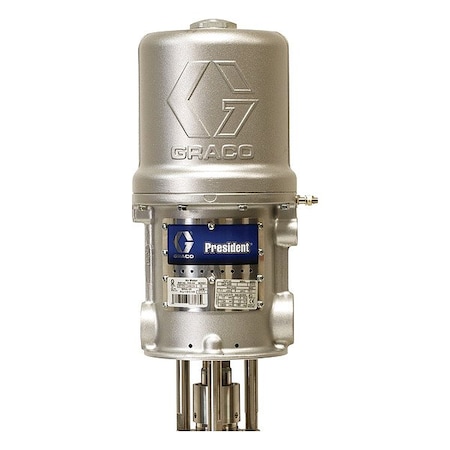
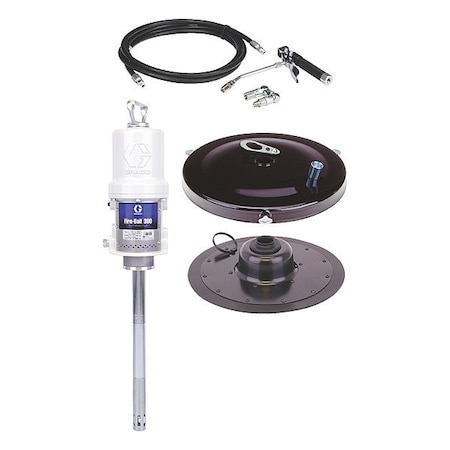
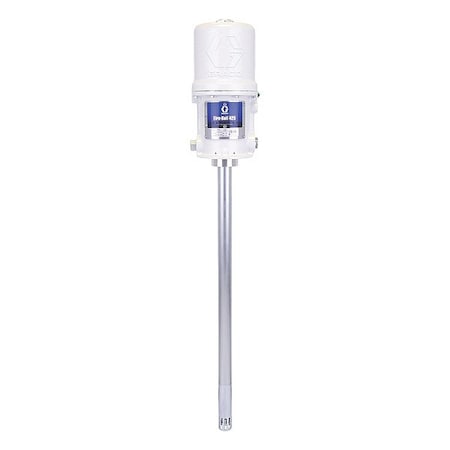
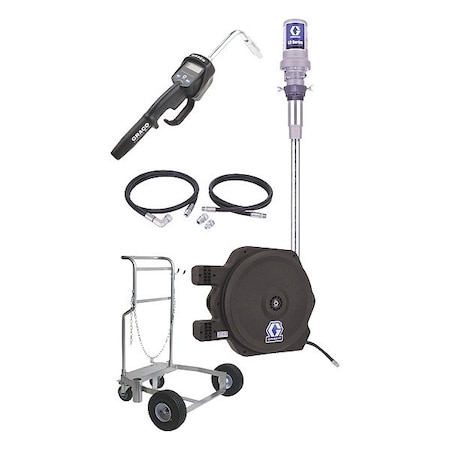
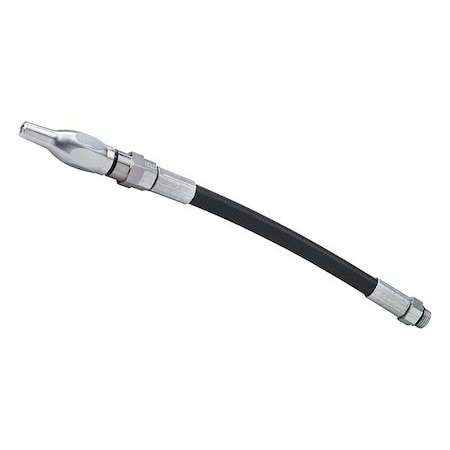
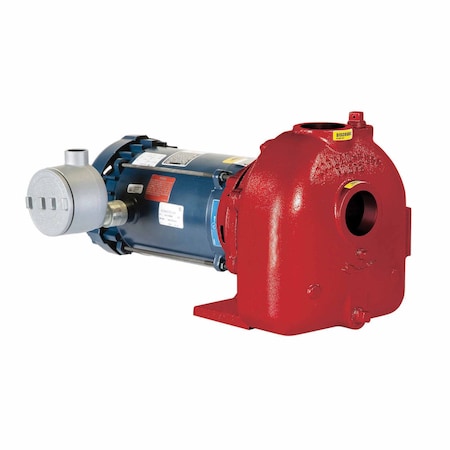
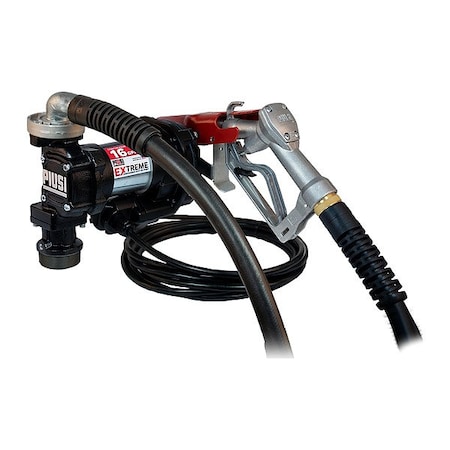
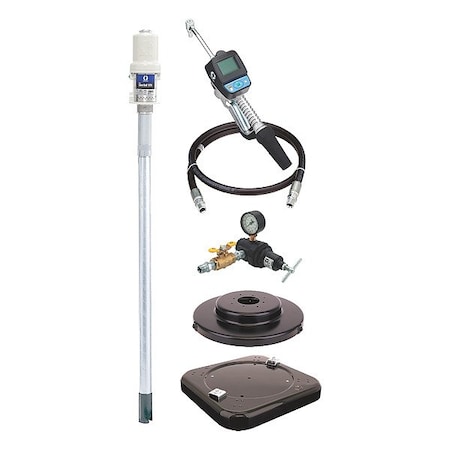
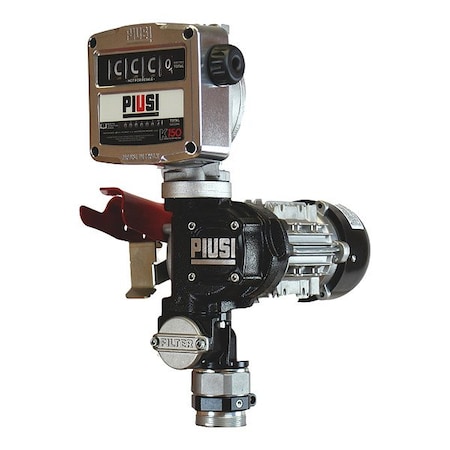
Whether you're moving between two fuel tanks or from a tank to a vehicle, Zoro's wide selection of drum barrel pumps includes professional products for safe fuel transfer. Shop fuel transfer accessories, including nozzles and hoses, as well as hand drum pumps, electric drum pumps, fuel transfer pumps, and more. Products are available in a variety of lengths, brands, price points, and other considerations for your convenience.
Frequently Asked Questions
Drum barrel pumps offer numerous advantages, including: Efficient fluid transfer from drums or barrels without lifting or pouring, making them ergonomic and labor-saving. Versatility to handle various liquids with varying viscosities and chemical compositions. They are designed for heavy-duty applications and can withstand continuous operation, ensuring durability and reliability.
Drum barrel pumps are typically constructed from high-quality materials to ensure durability and corrosion resistance. Common materials used include: Polypropylene (PP): Ideal for handling corrosive liquids and chemicals. Stainless steel: Provides excellent strength and resistance to rust and chemicals. Aluminum: Lightweight and corrosion-resistant, suitable for use with non-corrosive liquids. Cast iron: Durable and robust, often used for heavy-duty applications.
Consider the following factors when selecting a drum barrel pump: Liquid compatibility: Ensure the pump is compatible with the liquid you intend to transfer. Flow rate: Determine the desired flow rate to meet your application's requirements. Discharge height: Consider the vertical distance the liquid needs to be pumped. Viscosity: Choose a pump suitable for the viscosity of the liquid being handled. Duty cycle: Select a pump with a duty cycle that aligns with the frequency and duration of your pumping needs.
Regular maintenance is crucial to ensure optimal performance and longevity of drum barrel pumps: Periodically lubricate moving parts to minimize friction and wear. Inspect seals and gaskets regularly for any signs of damage or leaks, and replace them if necessary. Clean the pump thoroughly after use, especially when handling different liquids, to prevent contamination. Store the pump in a dry and clean environment when not in use.