
Dayton Line Voltage Thermostats
Results for "Dayton Line Voltage Thermostats" (442 items)
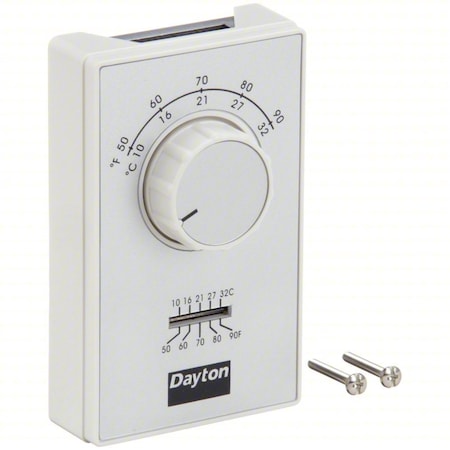
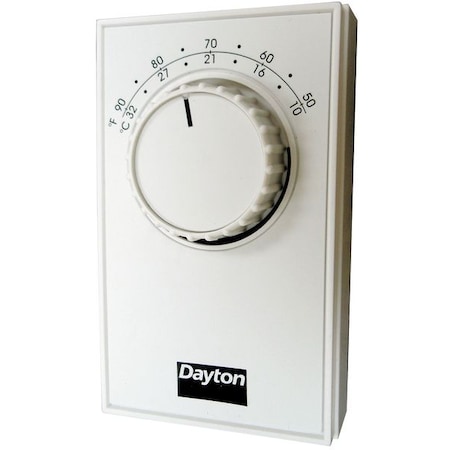
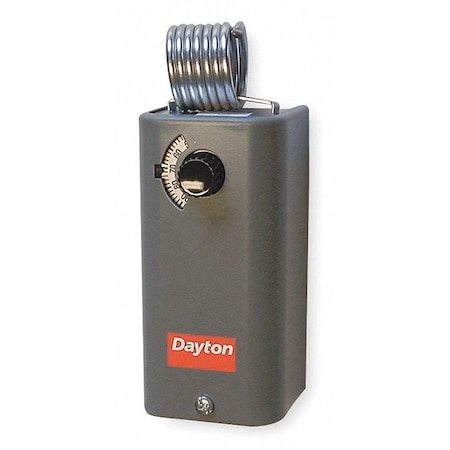
Line Volt Mechanical Tstat, Heat/Cool, 30-110 Degrees F, 60 to 600V AC, Hydraulic Air Coil, Steel
Line Volt Mechanical Tstat, Close on Rise, Cool Only, SPST, 120/270V AC, 30 Degrees to 110 Degrees F
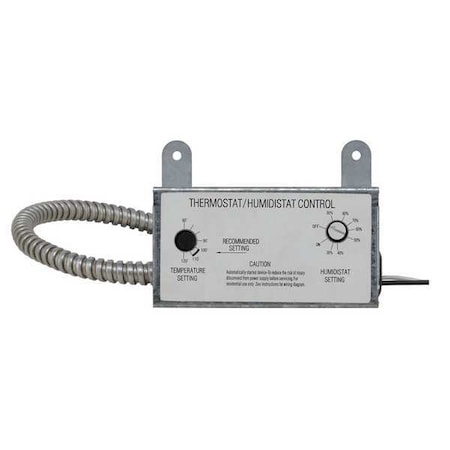
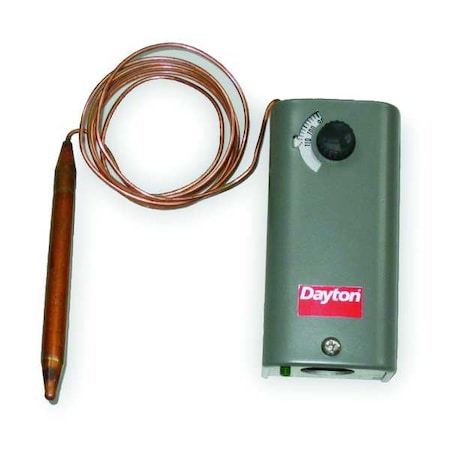
Line Voltage Mechanical Thermostat, Cool Only, -30 to 90F, Exposed Dial, 120V/240V/277V AC, Steel
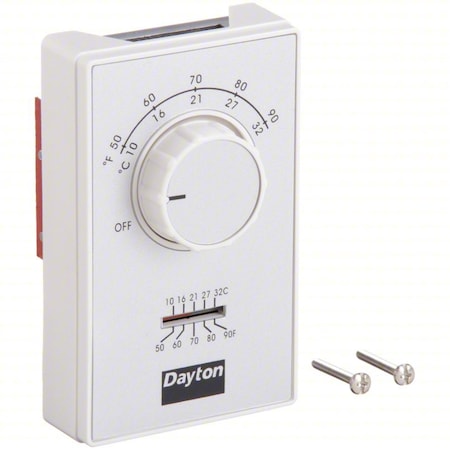
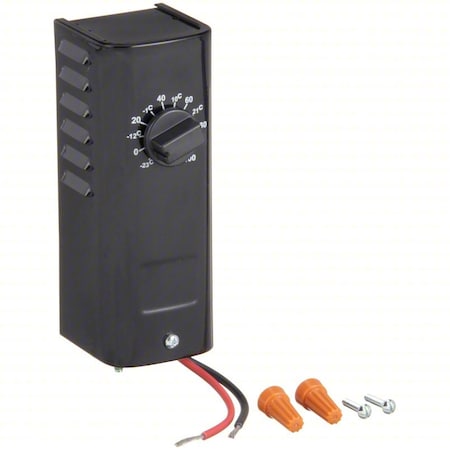
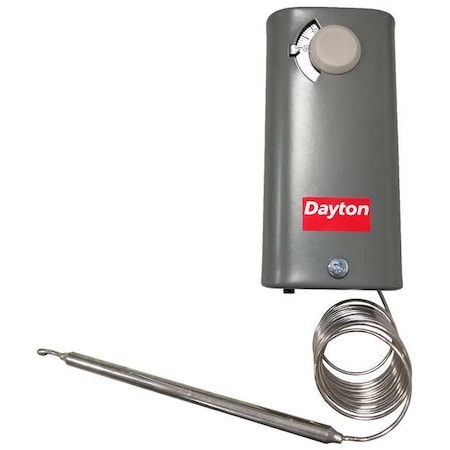
Line Voltage Mechanical Thermostat, Heat or Cool, -30 to 90F, Exposed Dial, 120V/240V/277V AC, 1C/1H
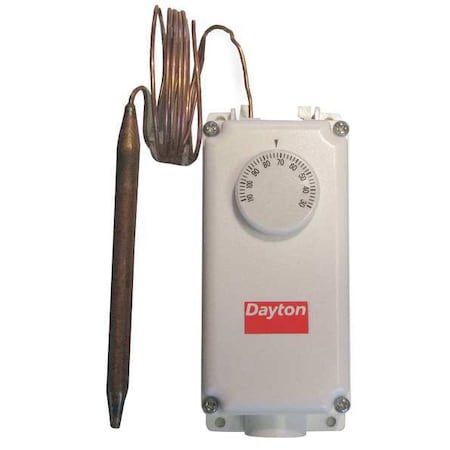
Line Voltage Mechanical Thermostat, Heat or Cool, 0 to 120F, Exposed Dial, 120V/240V/277V AC, 1C/1H
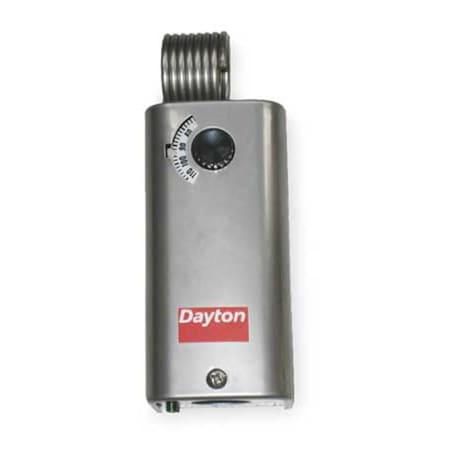
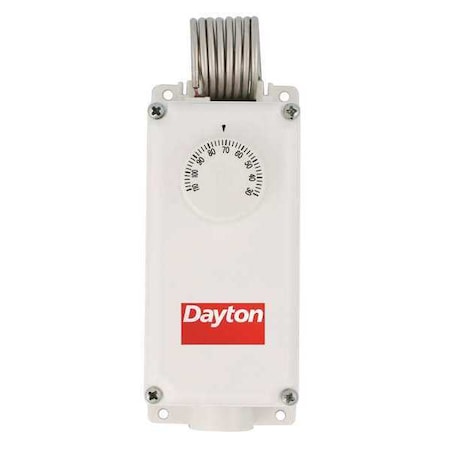
Line Volt Mechanical Tstat, Heat/Cool, 30-100 Degrees F, 24 to 600VAC, Hydraulic Air Coil, Plastic
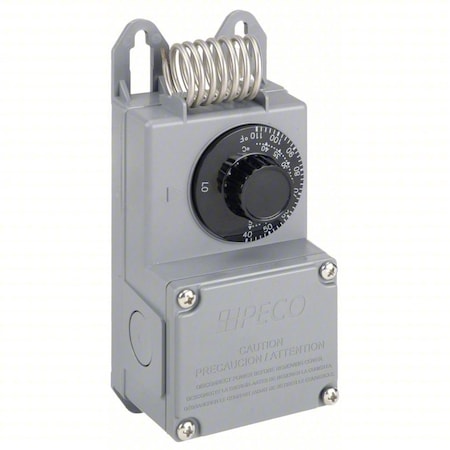
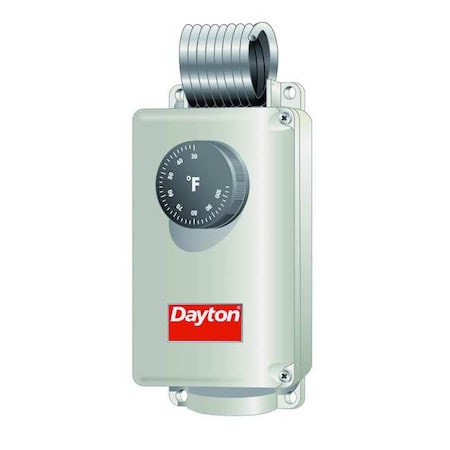
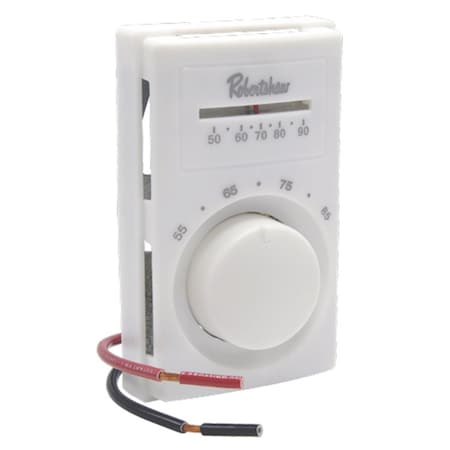
Line Voltage Mechanical Thermostat, Cool Only, 50 to 90F, Exposed Dial, 120 to 277V AC, 1C1 in D
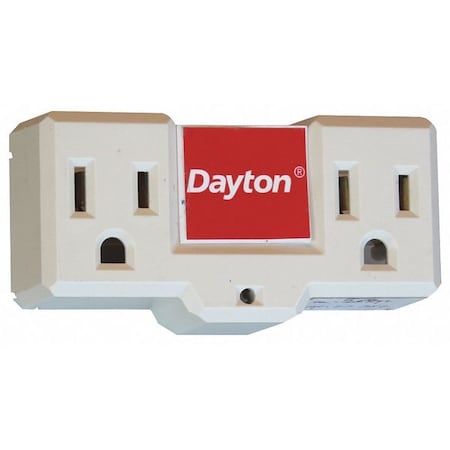
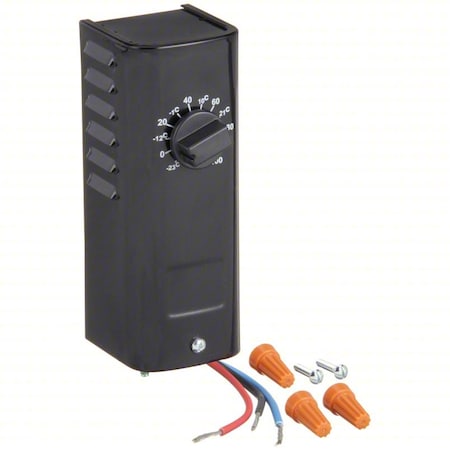
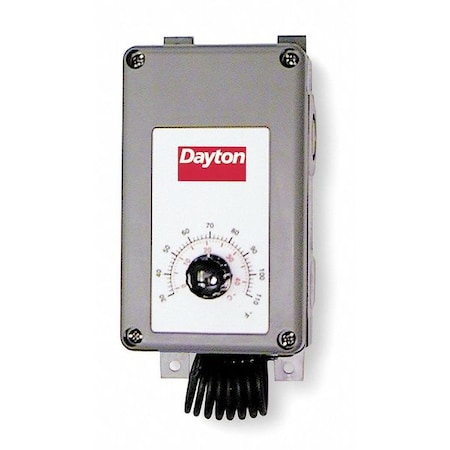
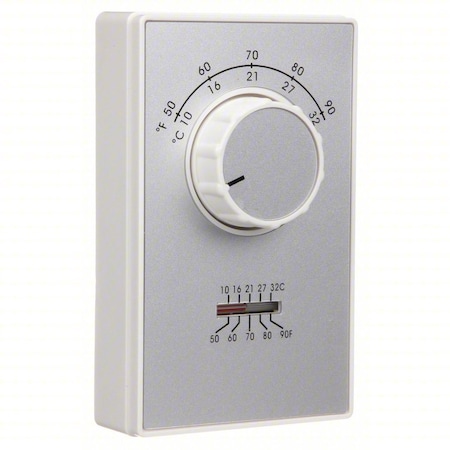
Line Voltage Mechanical Thermostat For Wall, 50 to 90 Degree Analog Dial, Cool/Heat/Off, White
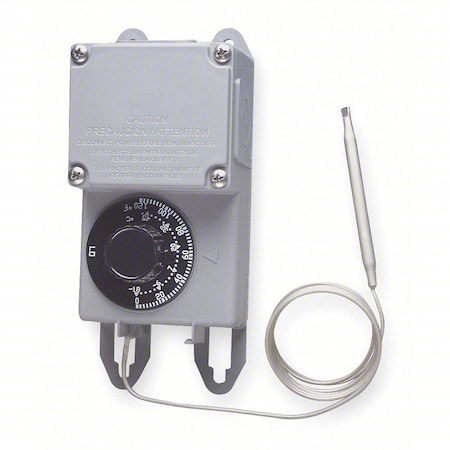
Line Voltage Mechanical Thermostat, Heat or Cool, 0 to 120F, Exposed Dial, 120 to 277V AC, 1C, 1H
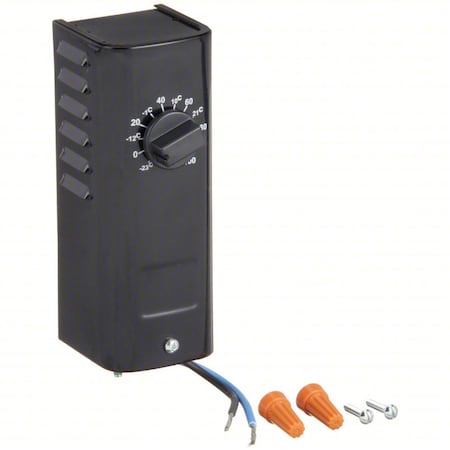
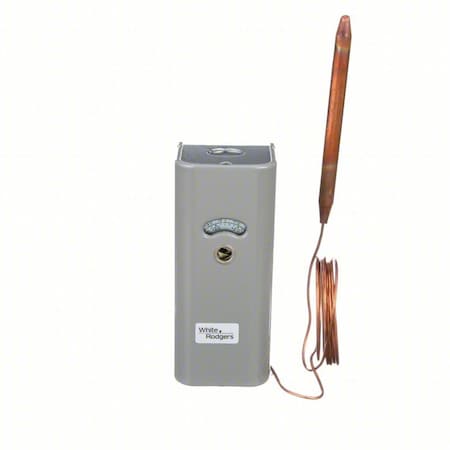
Line Voltage Mechanical Thermostat, Cool Only, -29 to 140F, Concealed Dial, 120 to 240V AC, 1C
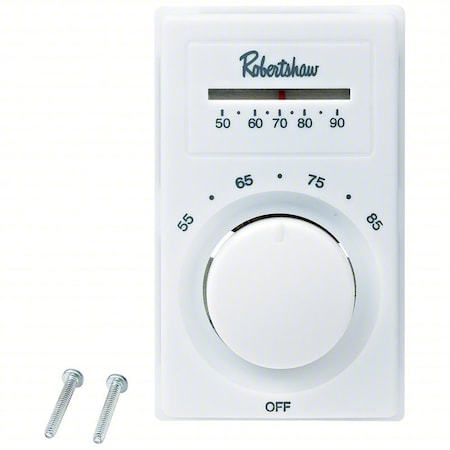
Line Voltage Mechanical Thermostat, Heat Only, 50 to 90 F, Exposed Dial, 120 to 277V AC, 1H
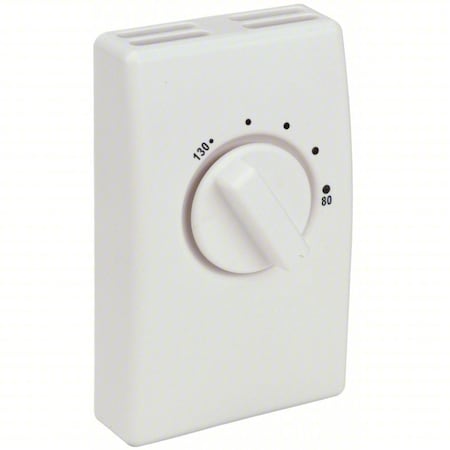
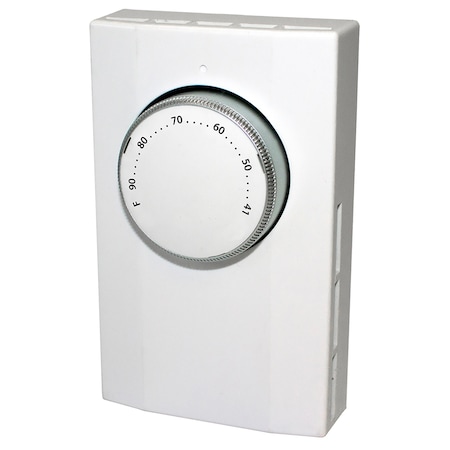
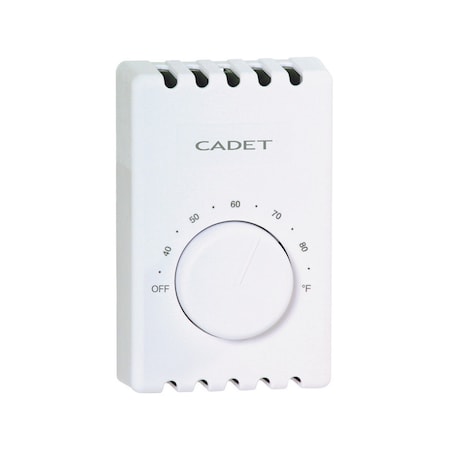
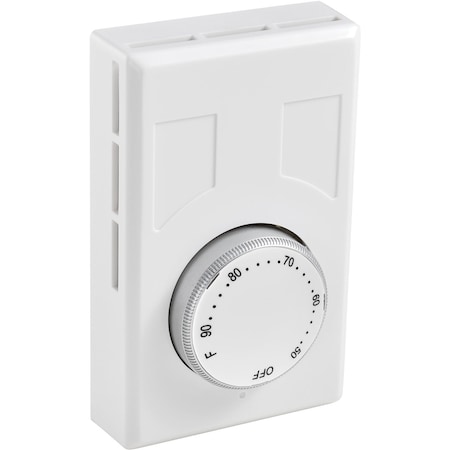
Heat Only Thermostat, Line Voltage, Double Pole, With Off Position
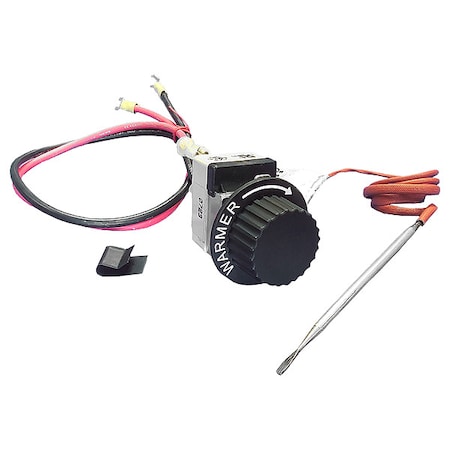
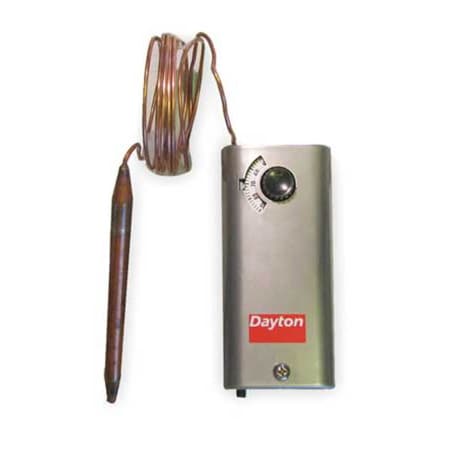
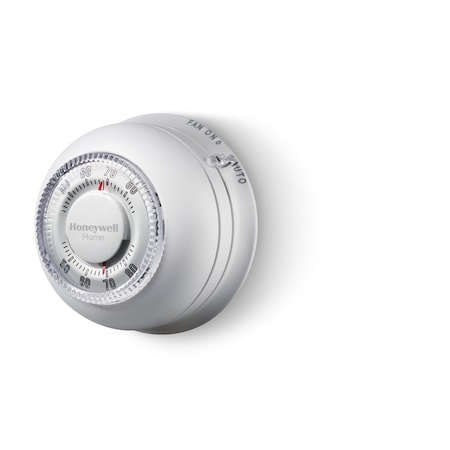
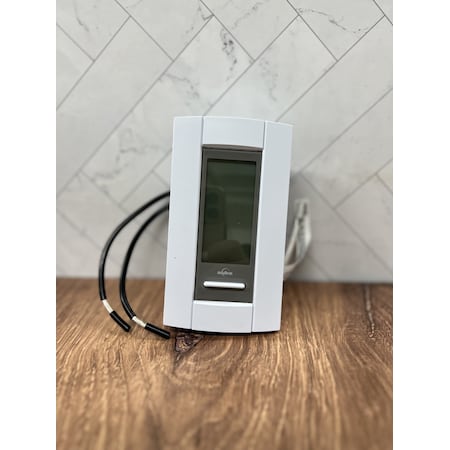
Line Voltage Mechanical Thermostat, Heat Only, 50 to 90F, Exposed Dial, 120 to 277V AC, 1H
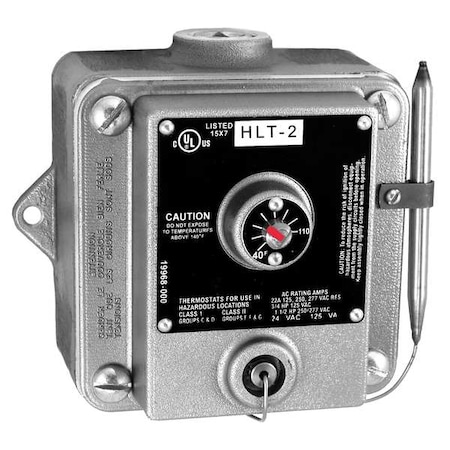
Hazardous Location Line Volt Mechanical Thermostat, Heat or Cool, 40 to 110F, 24 to 277V AC, 1C/1H
Customer insights summarized by AI
Top reasons why customers love these products
Customer insights summarized by AI
Reliable Temperature Control
These thermostats consistently and accurately manage heating and cooling cycles, ensuring optimal environmental conditions across various applications.
Ease of Installation and Use
Professionals report these thermostats are straightforward to connect and operate, facilitating quick integration into existing systems or new setups.
Versatility for Heating and Cooling
These units offer dual functionality for both heating and cooling applications, making them suitable for diverse temperature management needs.
Durability and Long-Term Performance
Many users have noted the long operational lifespan and robust construction of these thermostats, often replacing units that have performed reliably for many years.
How professionals are using Dayton Line Voltage Thermostats
Greenhouse Climate Control
These line voltage thermostats are frequently used in greenhouses to manage temperature, controlling exhaust fans, heating systems, and shutter operations to maintain optimal growing conditions.
Attic and Duct Fan Control
These thermostats are commonly deployed to automate attic and duct fans, effectively managing ventilation and temperature regulation in residential and commercial attics.
Industrial Heating Applications
These thermostats are suitable for controlling various industrial heating elements, such as heat trace systems, block heaters for generators, and general electric heaters, often eliminating the need for separate contactors.
Specialty Temperature Regulation
Beyond common HVAC, these thermostats are employed in unique applications such as controlling wine cellar temperatures, operating solarium ventilation systems, and managing heat distribution via transfer fans.
Dayton Line Voltage Thermostats FAQs
Yes, several professionals have successfully used these thermostats as direct replacements for older or existing units. One review noted it was 'exactly what we needed to replace an existing Tstat', and another highlighted its suitability as a 'perfect replacement'.
Yes, these thermostats can handle significant electrical loads. One user noted the unit has '25amp points' and effectively controls a 250 kW generator's block heater, while another mentioned it can 'eliminate the need for a contactor' for their application.
Users report excellent durability and long service life. Multiple reviews describe units operating for 'many years' or even '15 years' without failure, indicating a robust design and reliable performance over extended periods.
Yes, these thermostats are successfully used for specialized environmental control. Reviews confirm their use in solariums to manage ridge vents and fresh air intake, and in wine cellars to precisely regulate temperature for air conditioning units.


