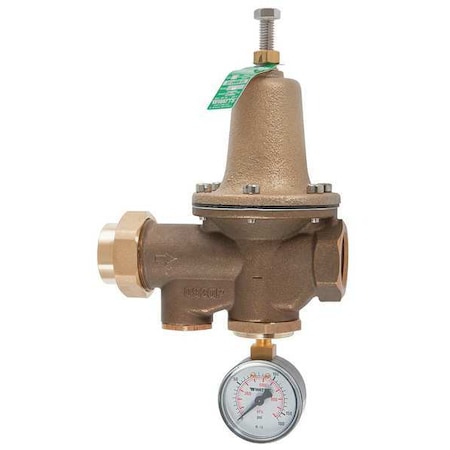
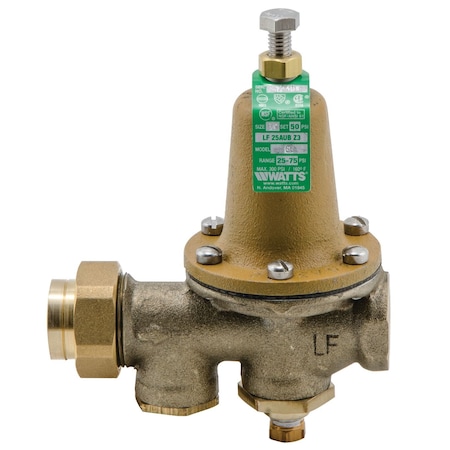
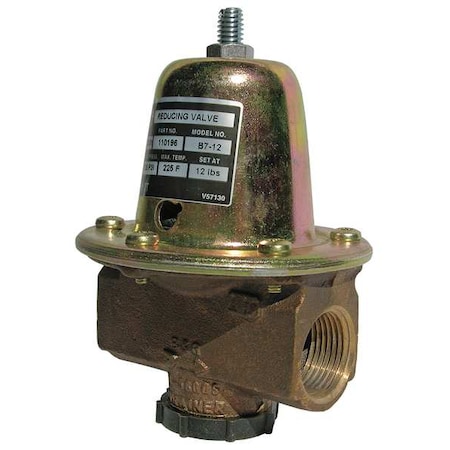
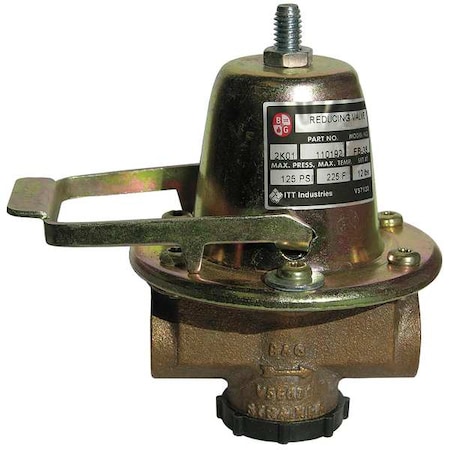
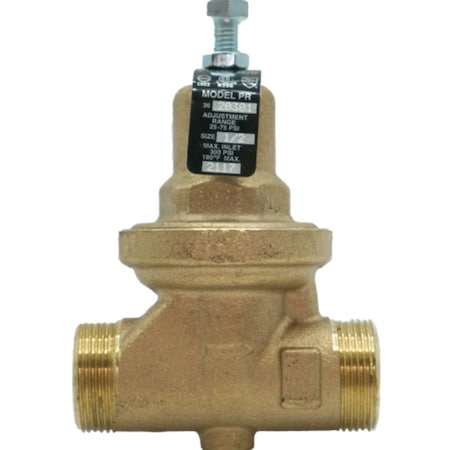
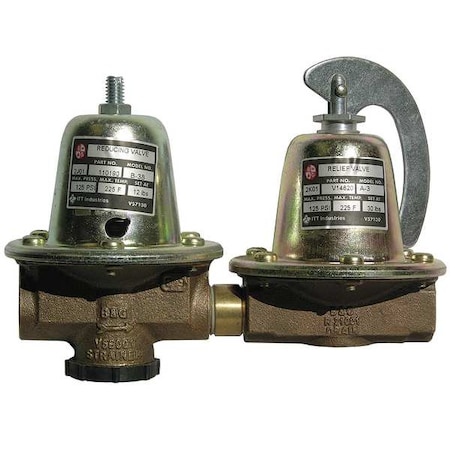
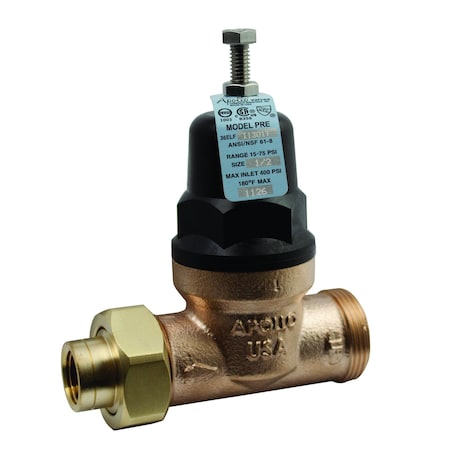
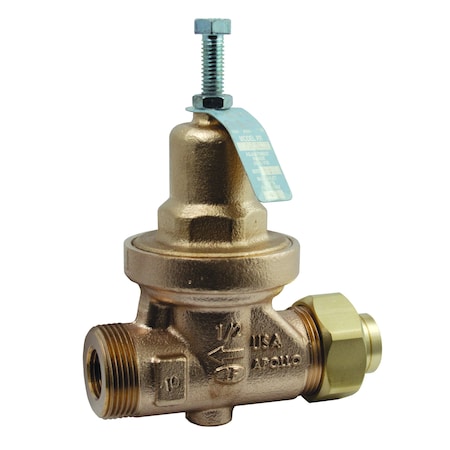
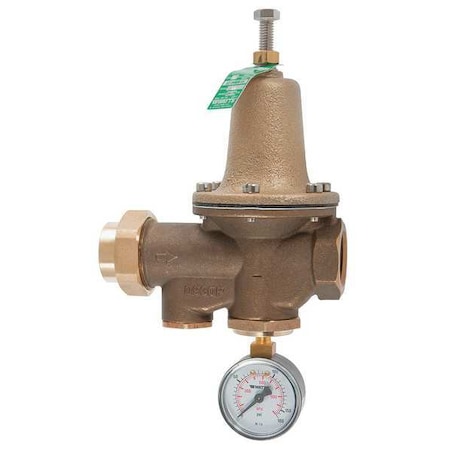
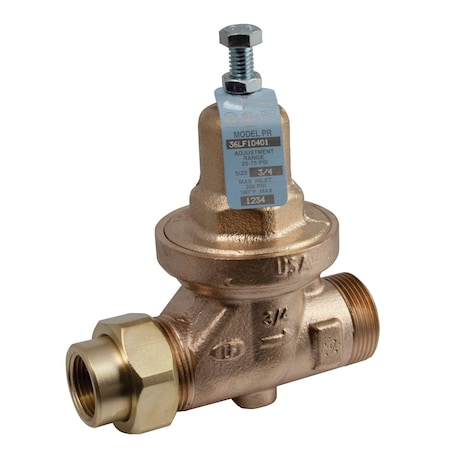
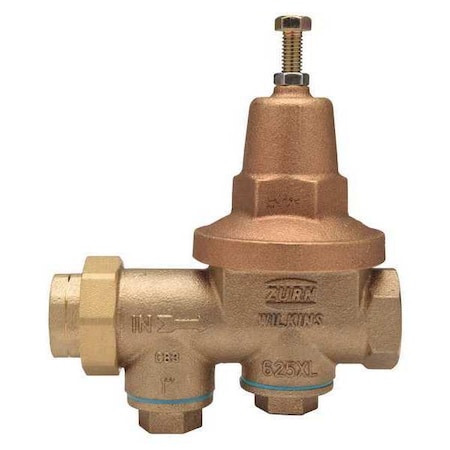
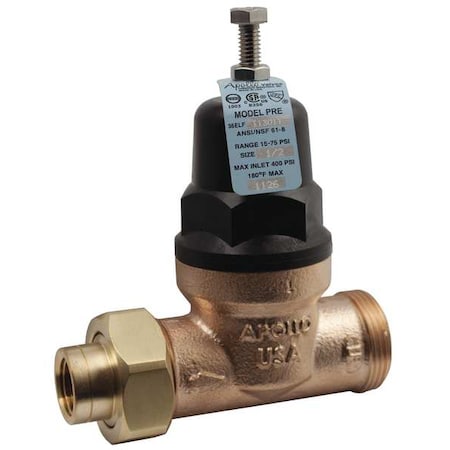
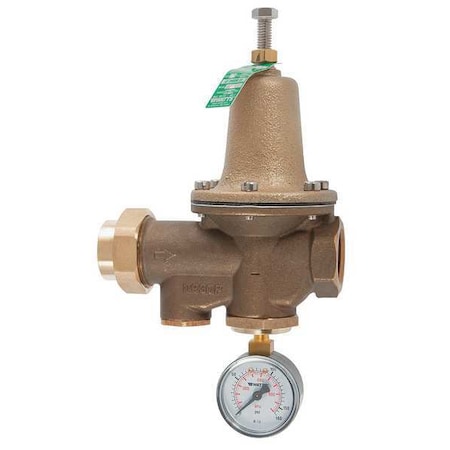
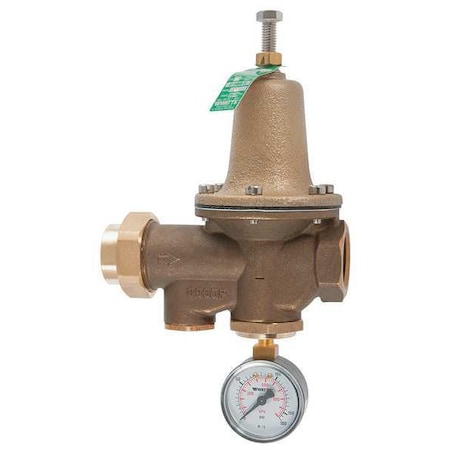
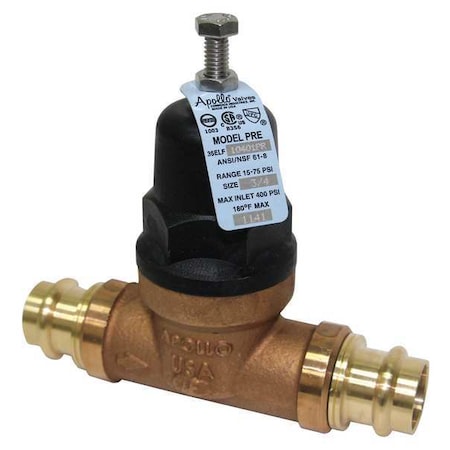
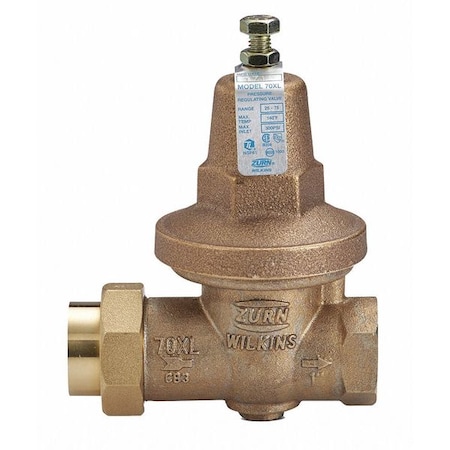
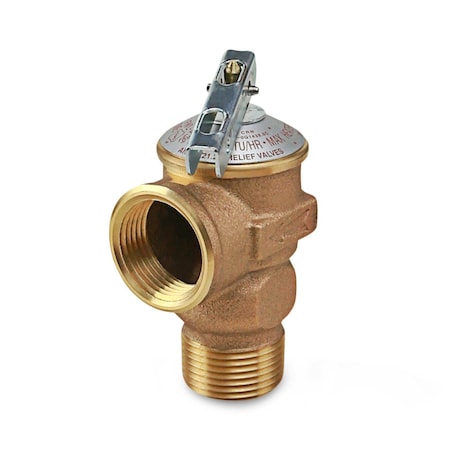
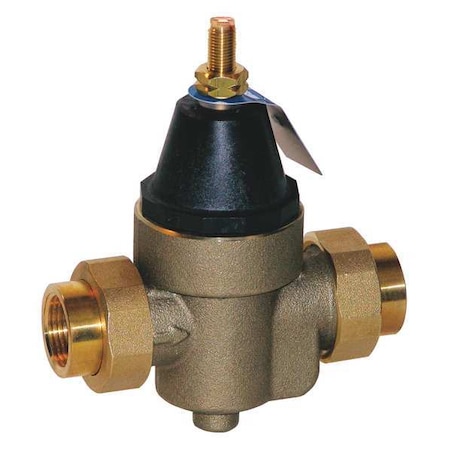
Pressure Reducing Valves are vital tools designed to maintain a safe and consistent pressure level in systems, preventing damage to pipes and other components. These valves come in various models tailored for different applications, with each model's suitability depending on the system size and pressure requirements. Constructed from materials like brass, bronze, or stainless steel, these valves feature an intricate internal mechanism that regulates flow rate and system pressure. They find extensive use across several industries such as plumbing, water treatment plants, firefighting systems, chemical processing plants, and oil refineries - anywhere professionals need to ensure their operations run safely and efficiently.
Frequently Asked Questions
A pressure reducing valve (PRV) is a mechanical device installed in a plumbing system to decrease incoming water pressure to a desired level, protecting fixtures and appliances from excessive pressure.
PRVs are typically installed at the main water supply line, where it enters the building, ensuring that all water fixtures and appliances receive regulated pressure.
PRVs often have an adjustable knob or screw that allows you to set the desired outlet pressure. Adjustments should be made gradually while monitoring water pressure with a gauge.
Installing a PRV can protect pipes and fixtures from damage caused by high water pressure, reduce noise from water flow, save energy by optimizing water usage, and improve overall plumbing system efficiency.