
The Pros and Cons of Additive Manufacturing
Unplanned downtime usually comes down to one thing: waiting on parts. For manufacturers, those delays can throw off production schedules, slow down crews, and put commitments to customers at risk.
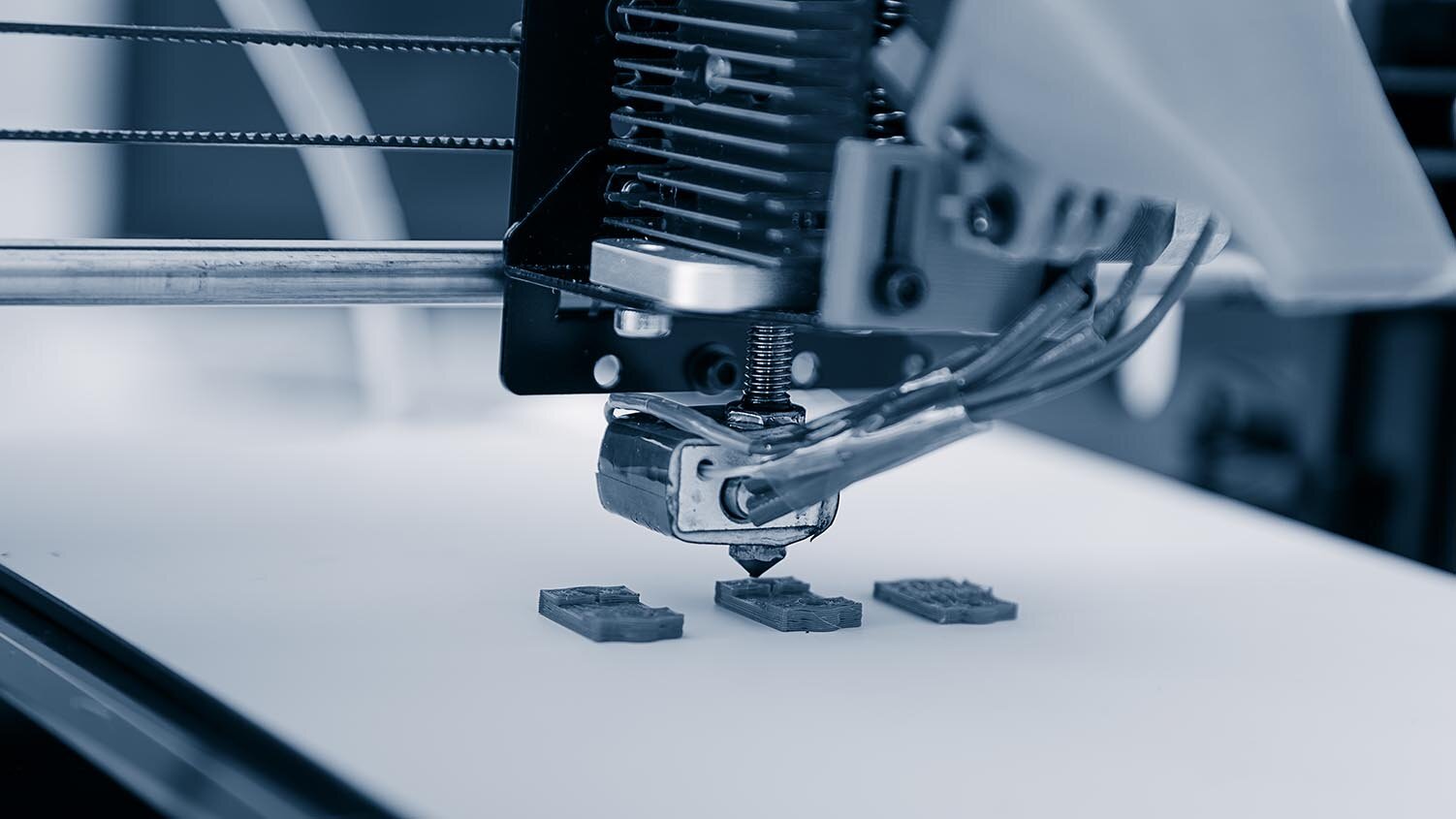
That's where Additive Manufacturing can help. Better known as 3D printing, it gives manufacturers a way to produce parts on demand. It can help shorten lead times, reduce inventory needs, and keep work moving.
The market value of Additive Manufacturing is expected to grow to nearly $200 billion by 2035. That means more manufacturers will use it for custom parts, faster production, and greater flexibility. But it’s not the right fit for every application.
This guide breaks down the advantages and disadvantages so you can decide where it fits your business.
What Is Additive Manufacturing?
Additive Manufacturing is a process that builds parts layer by layer from a digital design file. Unlike traditional manufacturing methods that cut away material, Additive Manufacturing uses only the material needed to make the part.
For manufacturers, that can mean:
- Producing parts on demand
- Creating more complex or customized designs
- Reducing dependence on outside suppliers
- Cutting down on material waste
The Upside of Additive Manufacturing
Additive Manufacturing can help manufacturers reduce downtime, simplify repairs, and respond faster when parts are needed.
1. Fewer Parts to Assemble
It can combine multiple components into a single part.
That can:
- Reduce assembly time
- Cut down on failure points
- Simplify maintenance and repairs
Fewer parts often means less complexity on the shop floor.
2. Faster Prototyping and Repairs
Teams can quickly design, print, and test parts before moving into production.
This helps:
- Speed up design changes
- Lower prototyping costs
- Test solutions before full production
When equipment goes down, faster iteration can help get operations back on track sooner.
3. Better Support for Complex Parts
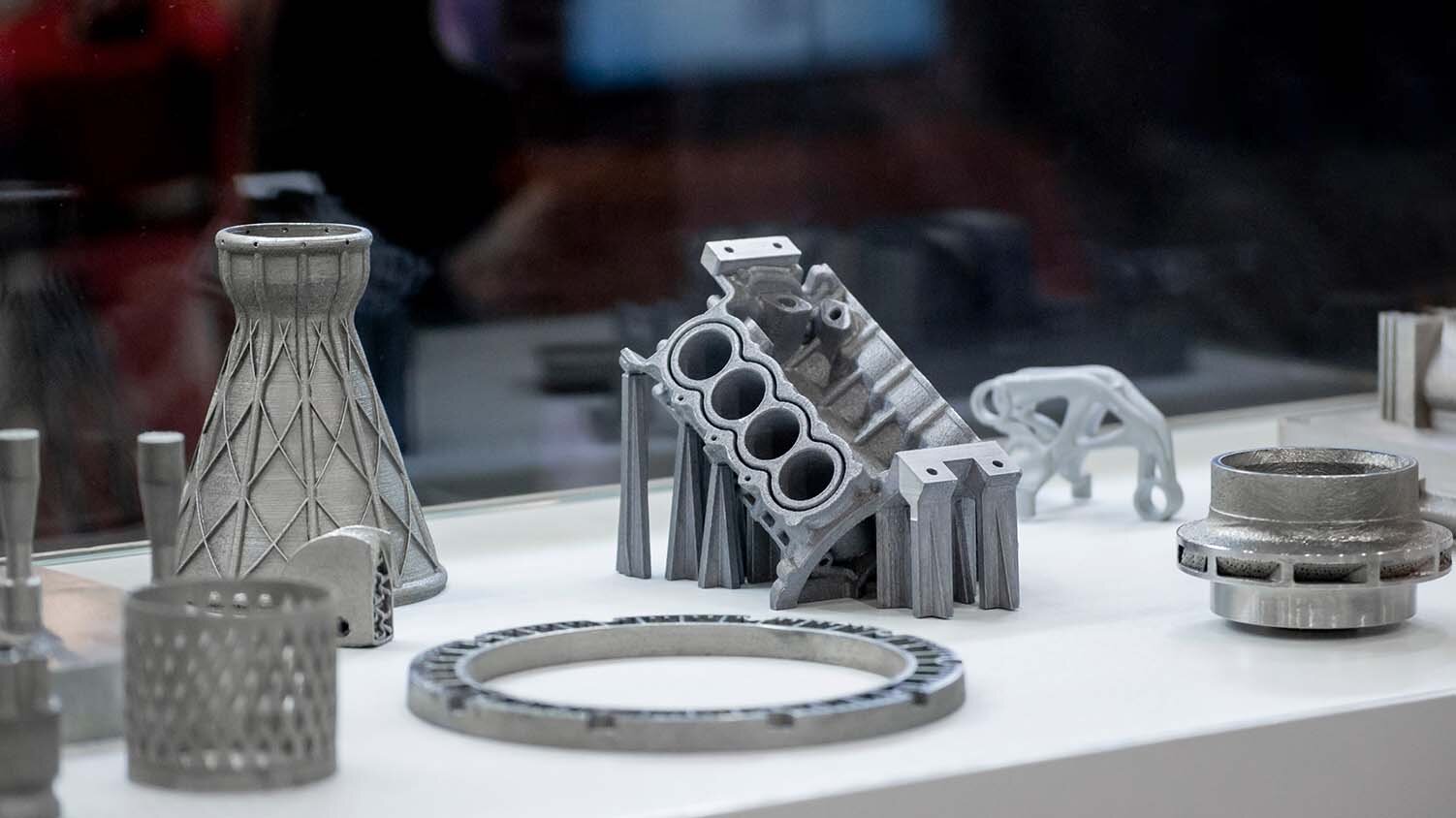
3D printing can produce shapes and details that are difficult with traditional manufacturing methods.
Manufacturers can use it to:
- Recreate hard-to-find or discontinued parts
- Produce intricate components
- Customize parts for specific equipment or applications
Digital files also make it easier to adjust designs before production begins.
4. Easier Part Improvements
This process gives teams more flexibility to improve existing parts.
That can include:
- Increasing strength
- Reducing weight
- Improving heat or sound performance
These changes can help solve recurring equipment issues or improve overall performance.
5. Lighter Parts
Parts can be designed with internal structures that reduce weight without sacrificing function.
Lighter parts may help:
- Make installation easier
- Reduce strain on equipment
- Lower handling and shipping demands
6. More Flexible Design Options
The technology works well for custom and low-volume parts.
It allows manufacturers to:
- Create application-specific parts
- Use complex shapes and geometries
- Make faster design adjustments when needs change
This flexibility is useful when off-the-shelf parts are not the right fit.
7. Less Material Waste
Because parts are built layer by layer, Additive Manufacturing uses only the material needed for the part itself.
This helps:
- Reduce scrap material
- Improve material efficiency
- Support more controlled production
8. Lower Inventory Needs
Digital part files reduce the need to keep every replacement part in stock.
That can mean:
- Less storage space
- Lower inventory carrying costs
- Faster access to replacement parts when needed
9. Better for Low-Volume Production
This approach makes it easier to produce small batches without lengthy setup or tooling changes.
This allows manufacturers to:
- Make faster transitions between designs
- Produce as needed; no storing excess inventory
For low-volume production, this can help reduce waste, improve flexibility, and simplify supply chain planning.
The Downside of Additive Manufacturing
1. Initial Startup Costs
Implementing Additive Manufacturing may require investment in:
- Equipment
- Materials
- Training
For some operations, this can be a barrier to adoption.
2. Slower Production Speeds
The printing process is generally slower than traditional mass production.
Limitations include:
- Longer build times per part
- Limited scalability for high-volume production
This makes it less suitable for large production runs.
3. Material Limitations
Not all materials used in traditional manufacturing are available for 3D printing.
This may affect:
- Strength and durability
- Heat resistance
- Application suitability
Material selection must align with performance requirements.
4. Post-Processing Requirements
Many 3D-printed parts require additional finishing.
Common steps include:
- Surface smoothing
- Machining
- Curing or treatment
Post-processing can add time and cost to production.
Additive Manufacturing may not replace every traditional manufacturing process, but it can be a valuable tool for manufacturers looking to reduce downtime, increase flexibility, and respond faster when parts are needed. It can support prototyping, lower inventory needs, and more efficient operations in the right situations. At the same time, costs, material limitations, and slower production speeds are important considerations.
Check out our selection of 3D printers and see which technology will work for your business.
Want to learn more about manufacturing trends? Dig into the rest of our Resource Hub.
Product Compliance and Suitability
The statements contained in this guide are intended for general informational purposes only. Such statements do not constitute a product recommendation or representation as to the appropriateness, accuracy, completeness, correctness, or currentness of the information provided. Information provided in this guide does not replace the use by you of any manufacturer instructions, technical product manual, or other professional resource or adviser available to you. Always read, understand, and follow all manufacturer instructions. Portions of this article were generated in part by ChatGPT, and edited by a member of the Zoro team.
