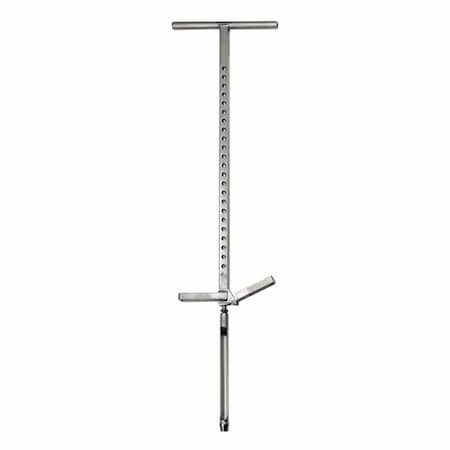
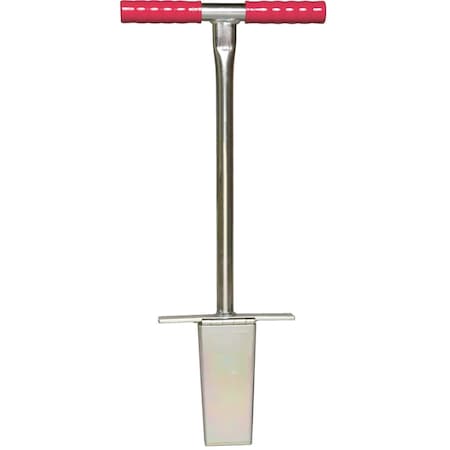
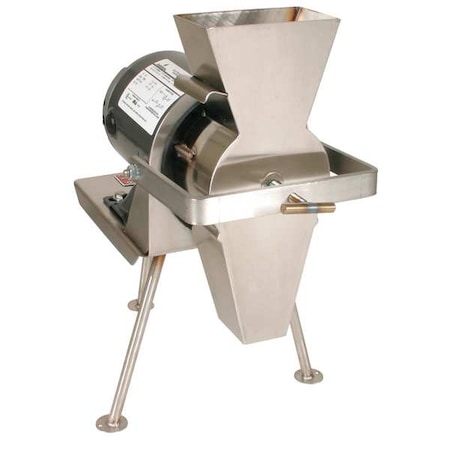
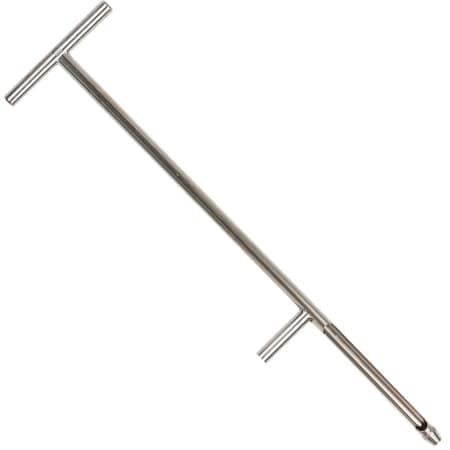
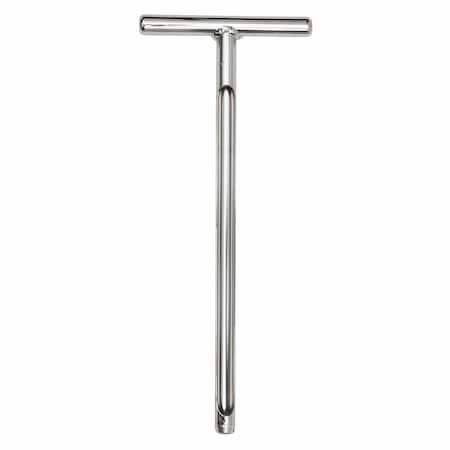
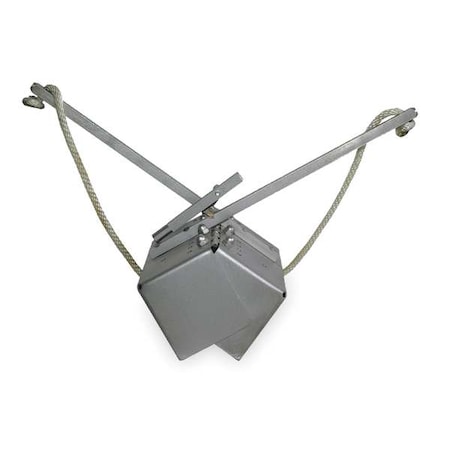
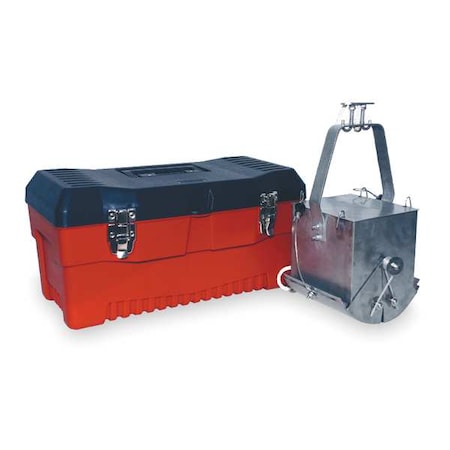
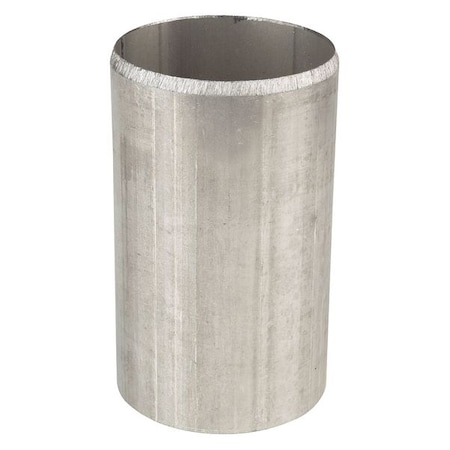
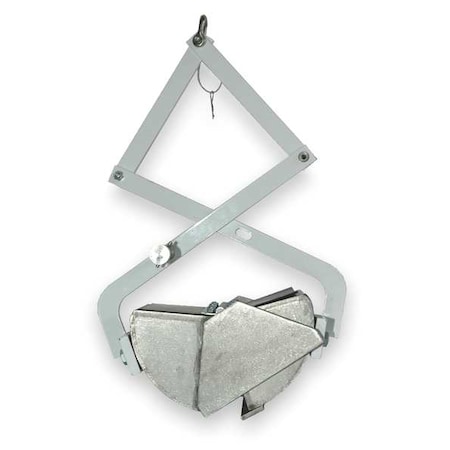
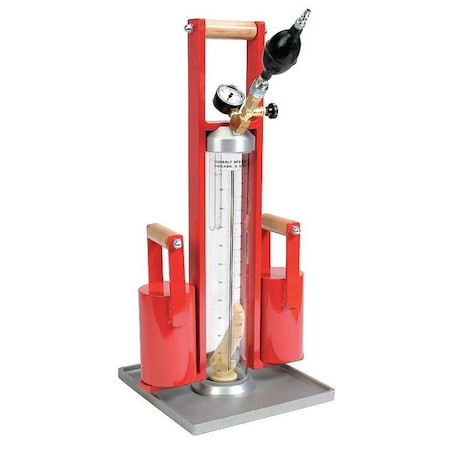
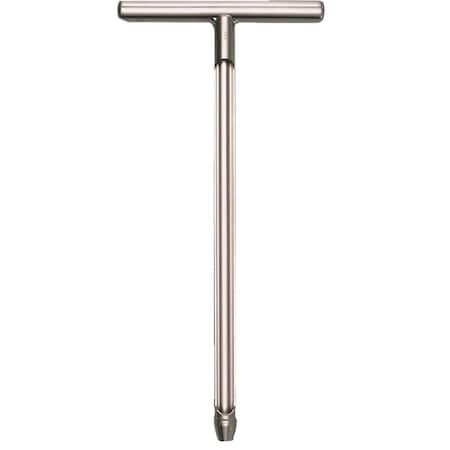
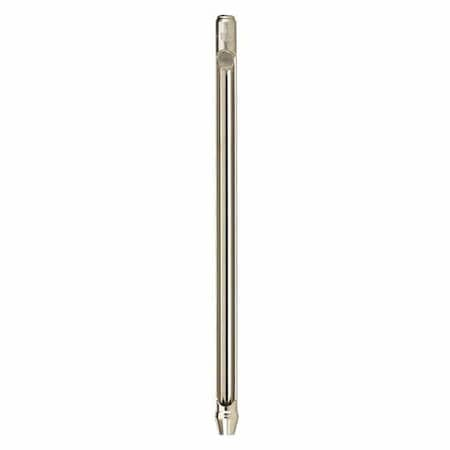
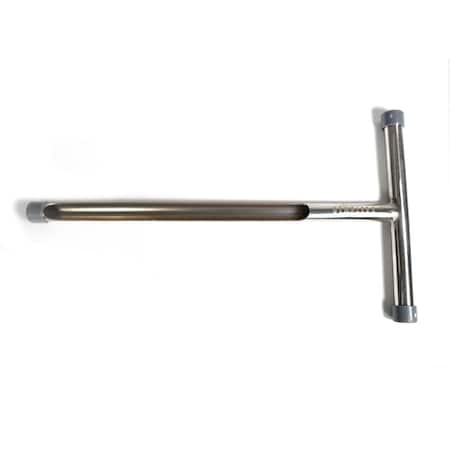
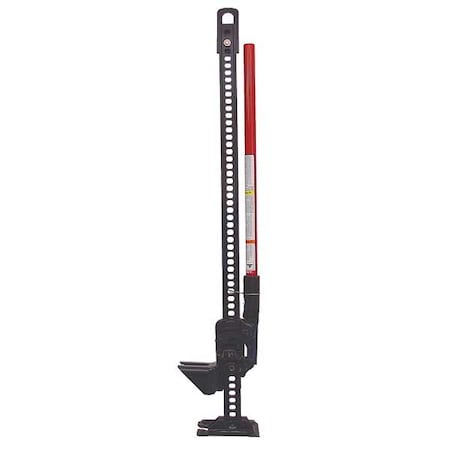
Samples of soil are collected in every corner of the globe for a multitude of purposes. Farmers and agricultural workers may need to analyze samples to determine the level of plant nutrients in the soil, while engineers look at soil to assess things like structural integrity, penetrability and moisture absorption levels. Soil samplers like removal jacks, probes, dredges and core samplers let you acquire the samples you need to get to the job at hand. Soil sampling has become an increasingly important part of environmental inspection and site safety assessment, too. For more soil testing products, browse our selection of soil probes, soil sampling kits and soil testers.
Frequently Asked Questions
A soil sampler is a tool used to collect soil samples for testing or analysis. It consists of a hollow tube that is inserted into the ground to extract a core of soil.
Soil samplers can be classified based on their design and method of operation. Common types include hand-held samplers, push-tube samplers, and auger samplers. Each type is suitable for specific soil conditions and sampling objectives.
The selection of an appropriate soil sampler depends on factors such as soil type, depth of sampling, and desired sample size. Hand-held samplers are ideal for shallow sampling in soft soils. Push-tube samplers provide undisturbed samples from deeper depths, while auger samplers are suitable for sampling hard or compacted soils.
Soil samplers are commonly used in agriculture, environmental monitoring, and scientific research. They enable accurate and representative collection of soil samples for analysis of soil properties, soil health, and contamination levels. The data obtained from soil sampling aids in decision-making for crop management, environmental remediation, and land use planning.