
Warehouse Automation for Mid-Size Manufacturers
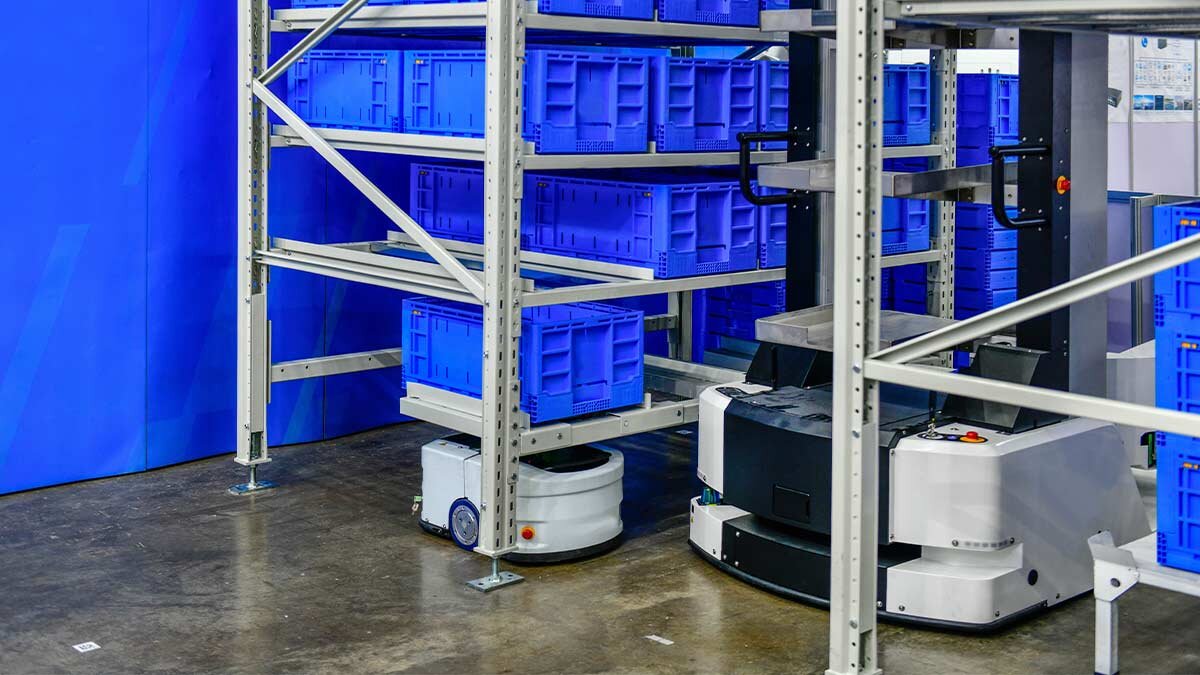
As customer expectations evolve and operational demands increase, many manufacturers are evaluating warehouse automation as a way to improve efficiency, support growth, and create more consistent operations. The good news is that warehouse automation is no longer limited to large enterprises with extensive budgets. Today's warehouse automation solutions range from software platforms and mobile scanning tools to autonomous mobile robots (AMRs) and automated storage technologies that can be implemented incrementally. Many organizations begin by automating a single process or addressing a specific bottleneck before expanding their automation strategy over time. This guide explores the types of warehouse automation available today, the benefits of automated warehouse systems, and practical considerations for manufacturers looking to modernize their operations.
What Is Warehouse Automation?
Warehouse automation refers to the use of software, equipment, robotics, and connected technologies to reduce manual tasks and streamline warehouse processes. Automation can support activities such as inventory management, order fulfillment, material movement, picking, sorting, and storage.
Warehouse automation solutions may include:
- Warehouse management system (WMS) software
- Workflow management software
- Barcode and RFID scanning systems
- Conveyor systems
- Autonomous mobile robots (AMRs)
- Automated guided vehicles (AGVs)
- Pick-to-light systems
- Automated sorting equipment
- Automated storage and retrieval technologies
The goal is not to remove people from warehouse operations. Instead, automation helps reduce repetitive tasks, improve visibility, support decision-making, and allows teams to focus on higher-value activities.
Why Manufacturers Are Investing in Warehouse Automation
According to MHI's Annual Industry Report, automation adoption continues to accelerate as companies look for ways to improve resilience, increase productivity, and better manage workforce challenges. Additional benefits may include the following.
Improved Operational Efficiency
Automation can help reduce repetitive manual processes, minimize unnecessary movement, and streamline workflows throughout the warehouse. This often leads to more consistent operations and improved productivity.
Greater Inventory Accuracy
Automated warehouse systems can improve inventory visibility through real-time tracking, barcode scanning, RFID technology, and integrated software platforms. More accurate inventory data may help support purchasing decisions and reduce fulfillment issues.
Faster Order Processing
Many warehouse automation solutions are designed to reduce delays in picking, packing, sorting, and shipping. This can help manufacturers respond more effectively to changing customer demand.
Enhanced Employee Experience
By reducing repetitive physical tasks, automation may allow warehouse teams to focus on activities that require problem-solving, quality control, and operational oversight. Industry research suggests this can contribute to a more efficient work environment.
Types of Warehouse Automation
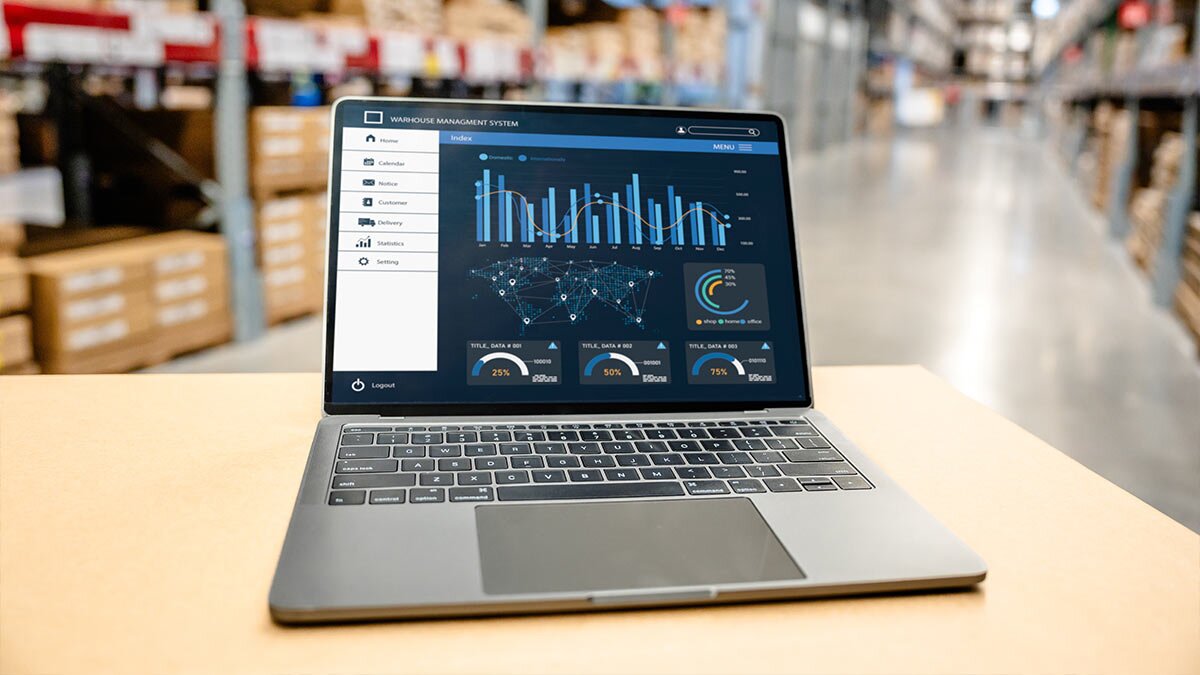
Understanding the different types of warehouse automation can help you identify which solutions align with your operational goals.
1. Warehouse Management System (WMS)
A warehouse management system is often one of the first automation technologies manufacturers implement to improve operational efficiency and gain better control over warehouse activities. Modern cloud-based WMS platforms provide real-time visibility into inventory levels, order status, warehouse capacity, and labor utilization. These systems help automate inventory updates, track product movement throughout the facility, and support more informed planning and decision-making. According to Gartner's supply chain technology research, organizations that adopt modern WMS solutions often achieve measurable improvements in inventory accuracy, order fulfillment efficiency, and order cycle times.
Common WMS capabilities include:
- Real-time inventory tracking
- Location management
- Order management
- Receiving and putaway workflows
- Reporting and analytics
- Integration with ERP systems
2. Workflow Management Software
Workflow management software helps standardize warehouse processes and automate task assignments, approvals, and notifications. These tools can support:
- Task scheduling
- Process documentation
- Automated alerts
- Performance tracking
- Cross-functional coordination
Workflow automation can help reduce manual handoffs and improve consistency across warehouse operations.
3. Autonomous Mobile Robots (AMRs) vs. Automated Guided Vehicles (AGVs)
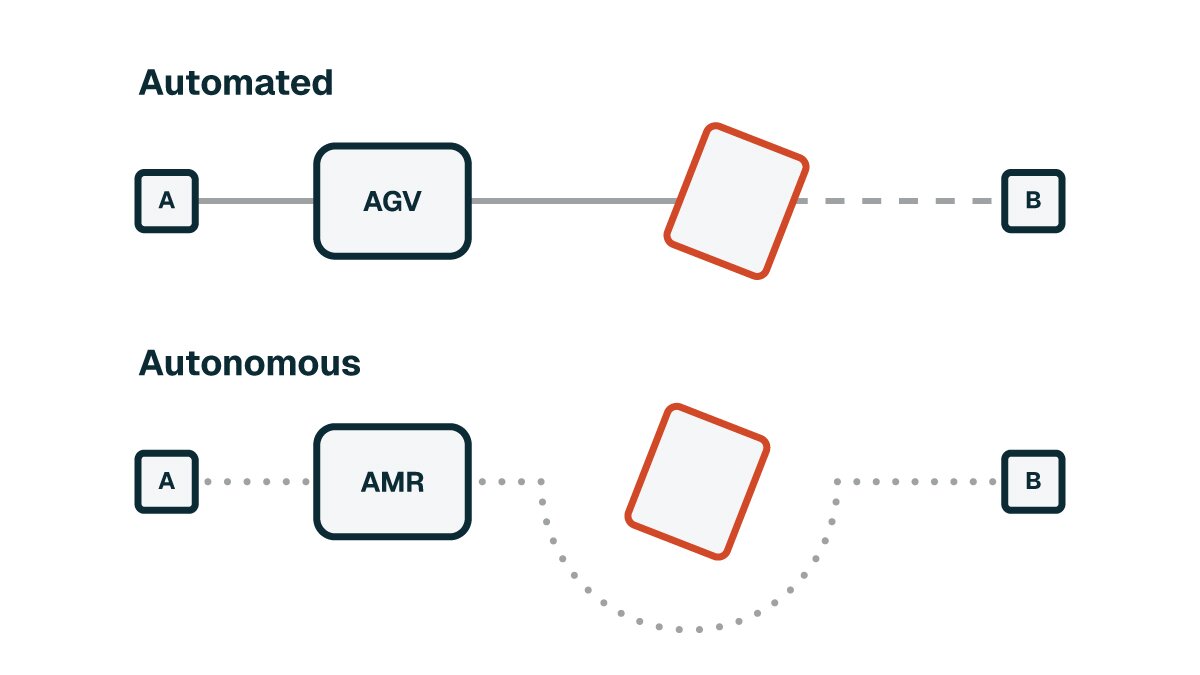
While both AMRs and AGVs are designed to move materials throughout a facility, they differ significantly in how they navigate and adapt to their environment.
Autonomous Mobile Robots
AMRs use advanced sensors, cameras, LiDAR, and onboard software to navigate facilities independently. Unlike traditional automated vehicles, AMRs do not rely on fixed routes or physical guidance infrastructure. Instead, they create and continuously update maps of their surroundings, allowing them to make navigation decisions in real time.
AMRs can:
- Determine the most efficient route to a destination
- Detect and avoid obstacles
- Reroute automatically when pathways are blocked
- Adapt to changing warehouse conditions without human intervention
- Learn from operational data to improve efficiency over time
Because of their flexibility, AMRs are well-suited for dynamic warehouse and manufacturing environments. They are commonly used to transport materials, support picking operations, move inventory between workstations, and automate repetitive internal logistics tasks.
Automated Guided Vehicles (AGVs)
AGVs have been used in industrial facilities for decades to automate material movement. Unlike AMRs, AGVs operate along predefined routes and rely on guidance systems such as magnetic tape, floor markers, barcodes, beacons, or fixed laser paths to navigate.
AGVs can:
- Transport materials along established routes
- Support repetitive and predictable workflows
- Improve consistency in material handling operations
- Operate safely using sensors that detect obstacles and stop the vehicle when necessary
Because AGVs follow fixed paths, they are often best suited for structured environments with stable workflows and limited route changes. While they typically require more upfront planning and infrastructure than AMRs, they can provide a reliable and cost-effective solution for repetitive transportation tasks.
4. Conveyor Systems
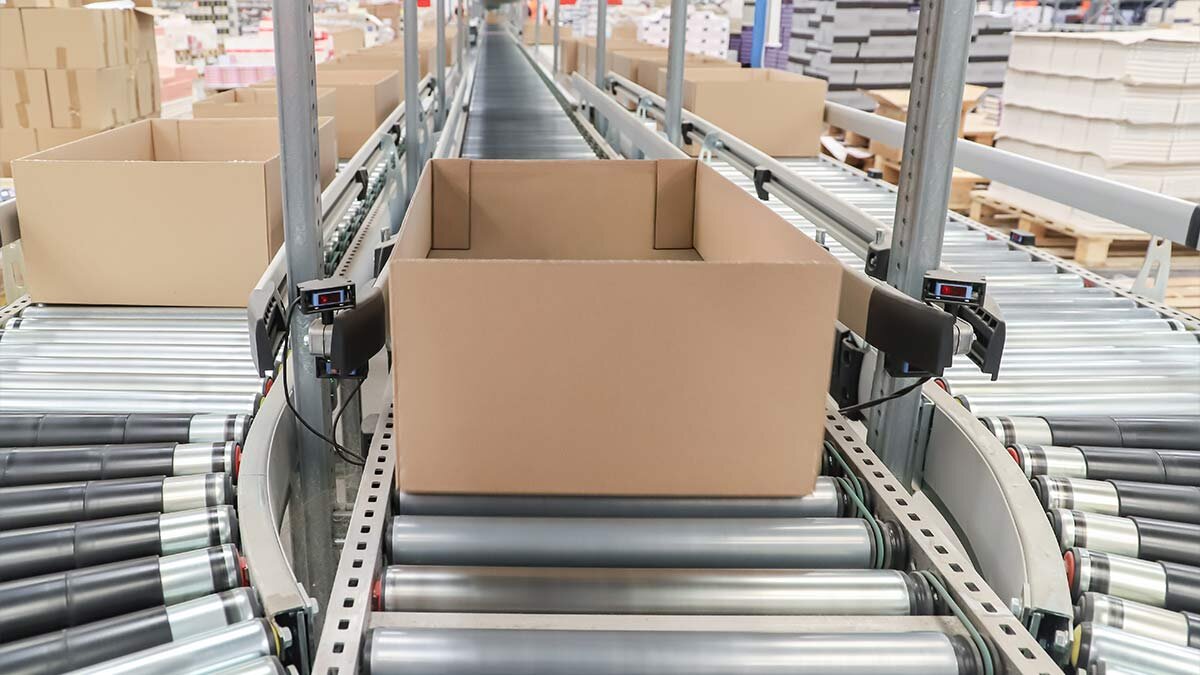
Conveyor systems are among the most established forms of warehouse automation. These systems move products through the warehouse using belts, rollers, or chains, helping reduce manual transportation requirements and support continuous product flow. Conveyor systems are commonly used in facilities with predictable product movement patterns and high throughput requirements.
5. Automated Sorting and Scanning Systems
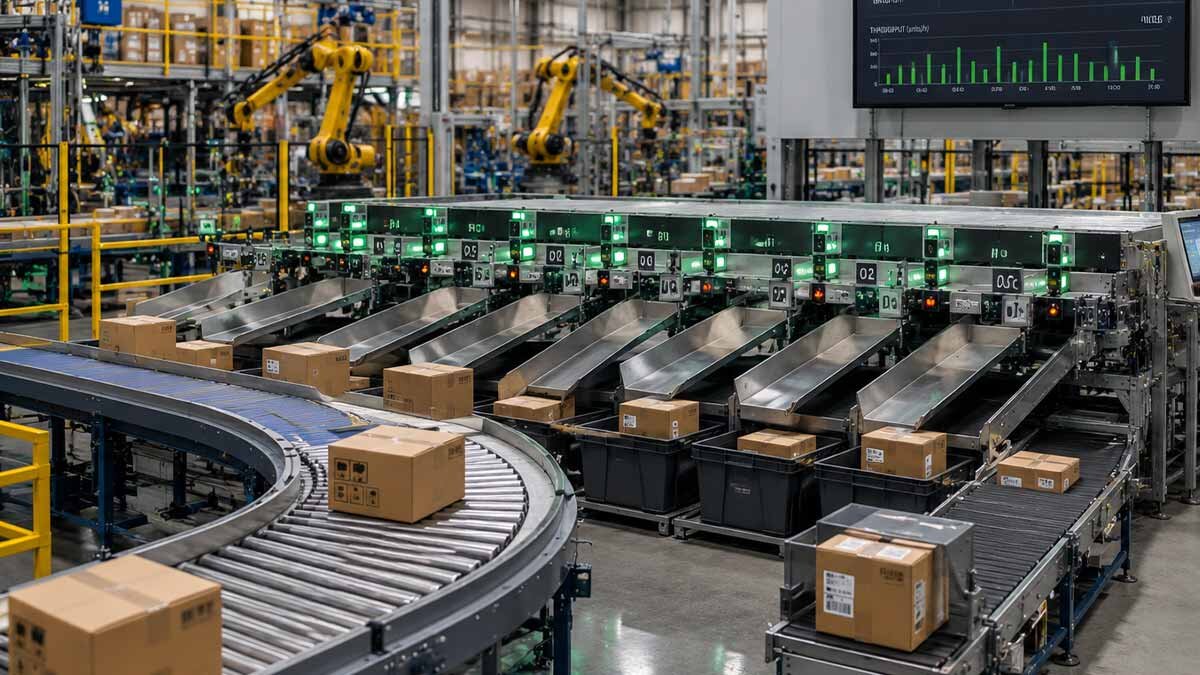
Automated sorting systems use barcode scanners, RFID technology, and sortation equipment to direct products to designated locations. These solutions can support:
- Order consolidation
- Shipping preparation
- Returns processing
- Product routing
Facilities with large SKU counts often use automated sorting systems to improve throughput and reduce manual handling.
6. Pick-to-Light and Put-to-Light Systems
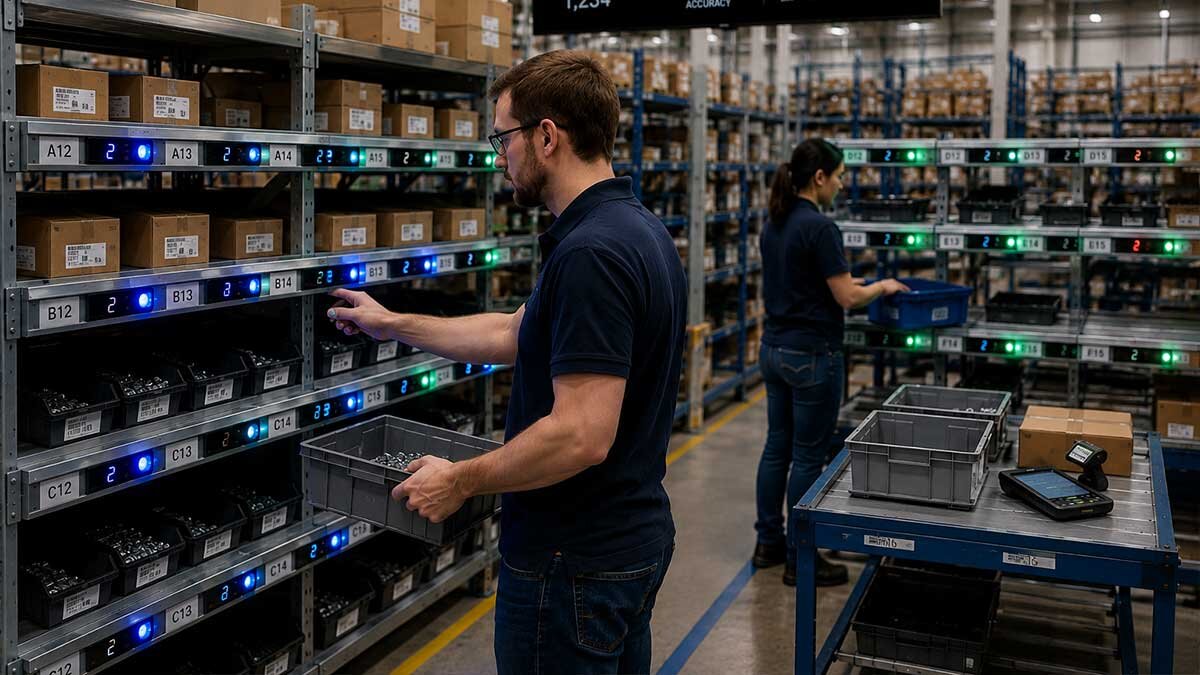
Pick-to-light and put-to-light technologies use illuminated indicators to guide workers to the correct inventory locations and quantities. Potential advantages include:
- Reduced picking errors
- Faster onboarding
- Improved order accuracy
- Simplified workflows
Because these systems can often integrate with existing racking and shelving, they may serve as an accessible entry point into warehouse automation.
Small Warehouse Automation: Where to Start
For many manufacturers, the idea of warehouse automation can feel overwhelming. A common misconception is that automation requires a complete warehouse transformation or a significant capital investment. In reality, the most successful automation initiatives often begin with a single process, bottleneck, or operational challenge. Targeted automation projects can deliver measurable returns while helping teams build experience and confidence with new technologies. Here’s how to get started.
Map Current Processes: Track how products move from receiving through shipping.
Look for:
- Repetitive manual steps
- Excessive paperwork
- Frequent bottlenecks
- Unnecessary travel distances
Process mapping can help identify automation opportunities before investing in new technology.
Improve Data Visibility: Implementing a warehouse management system often creates a foundation for future automation by improving inventory visibility and operational reporting.
Add Mobile Technology: Mobile scanners, barcode printers, and tablets can automate inventory tracking while building operational familiarity with digital workflows. These tools are often considered among the most accessible forms of small warehouse automation.
Evaluate Material Movement: Tracking employee travel patterns can help identify opportunities for AMRs, conveyors, or workflow redesigns. Evaluating warehouse movement data can help uncover significant efficiency opportunities.
Preparing Your Team for Automation
Successful automation depends on more than technology. It requires people, processes, and infrastructure that are ready for change. As organizations adopt new software, robotics, and AI tools, change management and operational readiness become critical to long-term success.
Leading manufacturers are investing in:
- Cross-functional collaboration between IT, operations, and finance
- Employee training to build digital skills and confidence
- Clear communication about evolving roles and workflows
- Process and infrastructure assessments before implementation
The most successful automation initiatives aren't just technical achievements. They create a culture that embraces continuous improvement and innovation.
Moving Forward with Warehouse Automation
Warehouse automation is no longer an all-or-nothing investment. For many manufacturers, the most practical path begins with identifying operational bottlenecks, improving visibility through software, and introducing targeted automation solutions where they can provide measurable operational value.
Whether you're evaluating workflow management software, a warehouse management system, or automated storage and retrieval technologies, a phased approach can help you build a foundation for future growth while maintaining operational flexibility.
Product Compliance and Suitability
The statements contained in this guide are intended for general informational purposes only. Such statements do not constitute a product recommendation or representation as to the appropriateness, accuracy, completeness, correctness, or currentness of the information provided. Information provided in this guide does not replace the use by you of any manufacturer instructions, technical product manual, or other professional resource or adviser available to you. Always read, understand, and follow all manufacturer instructions. Portions of this article were generated in part by ChatGPT, and edited by a member of the Zoro team.
Sources
- Cyzerg: Warehouse Automation for Small and Mid-Size Operators
- Gartner's supply chain technology research
- Rockbird Media: Warehouse Automation for Mid-Size Businesses
- Brother Mobile Solutions: 3 Ways Automation Can Make Mid-Size Warehouses Grow
- SSI Schaefer Warehouse Automation Resources
- Hy-Tek: 2026 Warehouse Automation Trends
- https://ottomotors.com/blog/amr-vs-agv-a-comparison-of-automated-material-transport/
