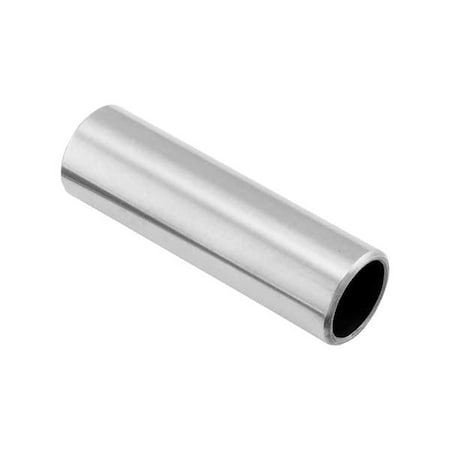
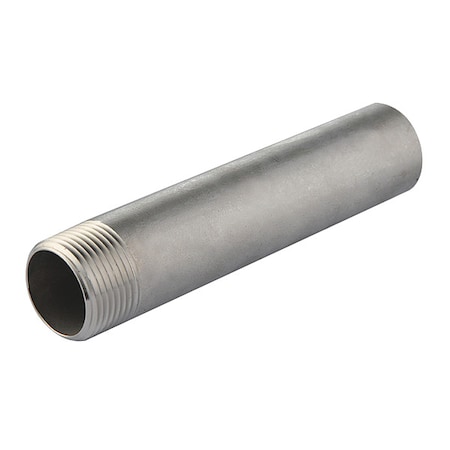
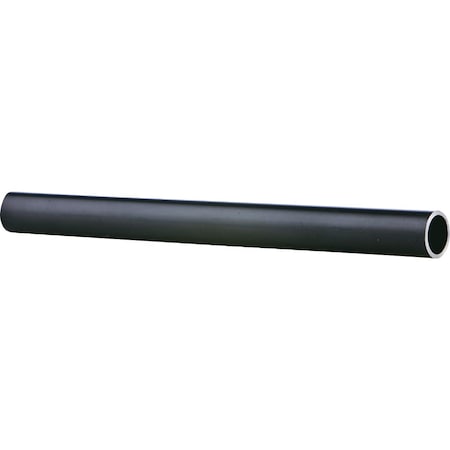
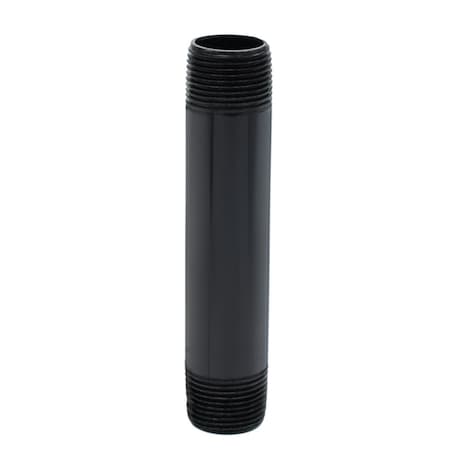
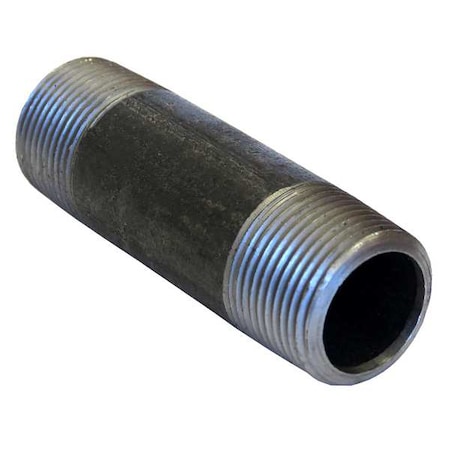
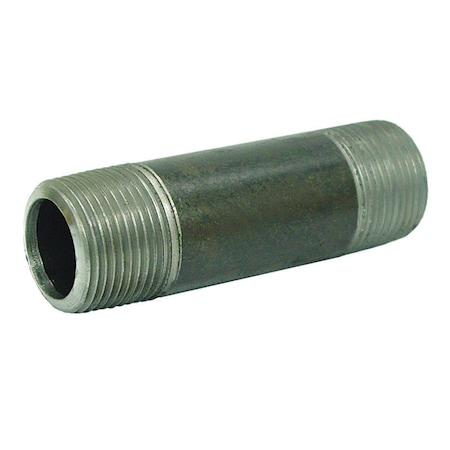
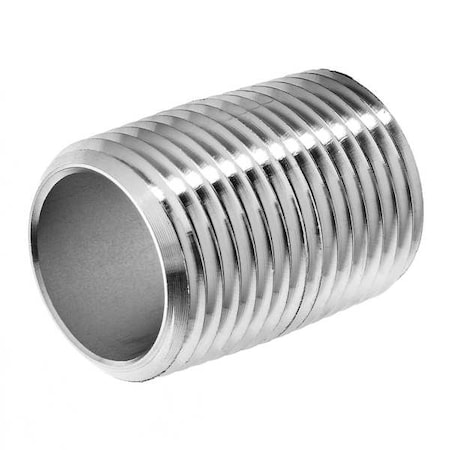
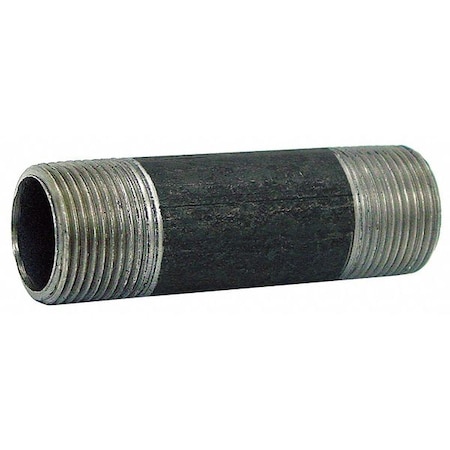
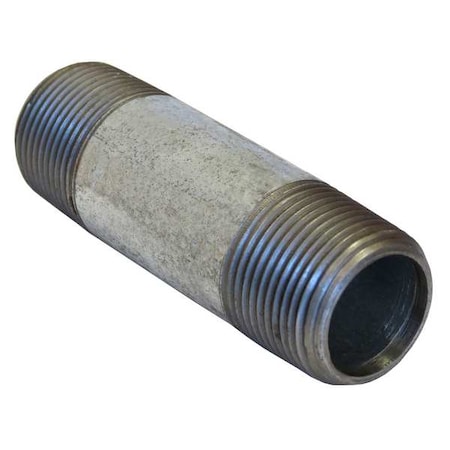
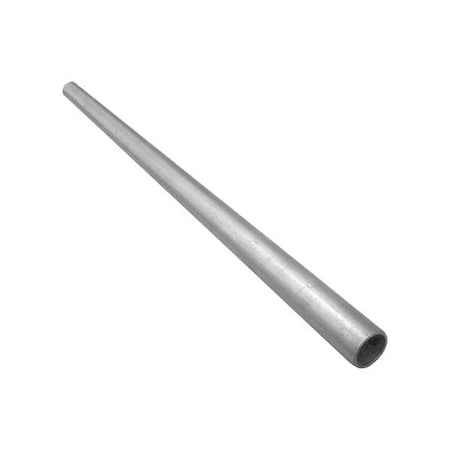
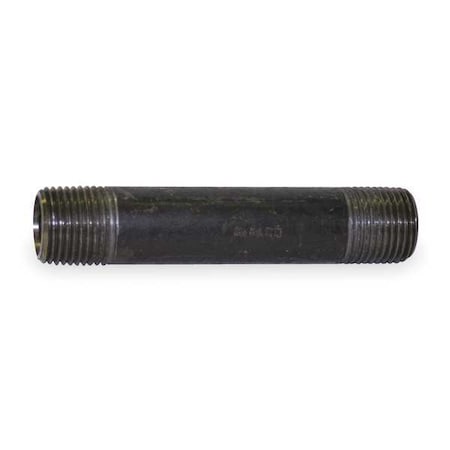
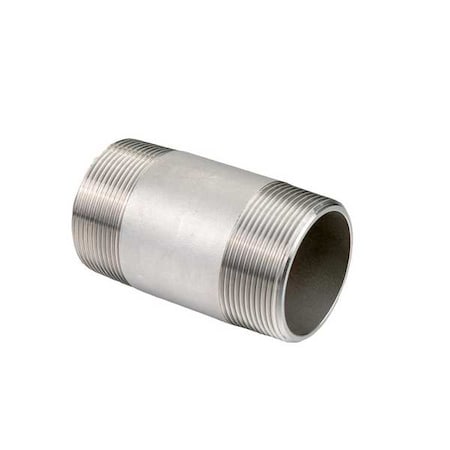
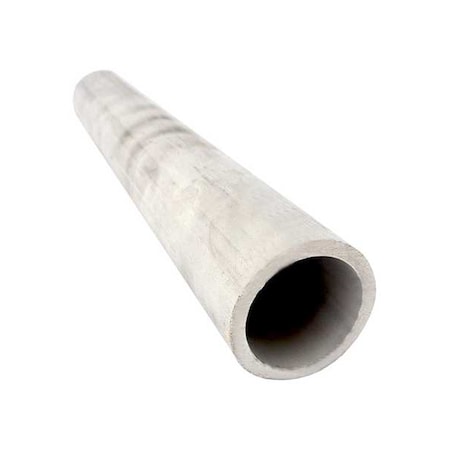
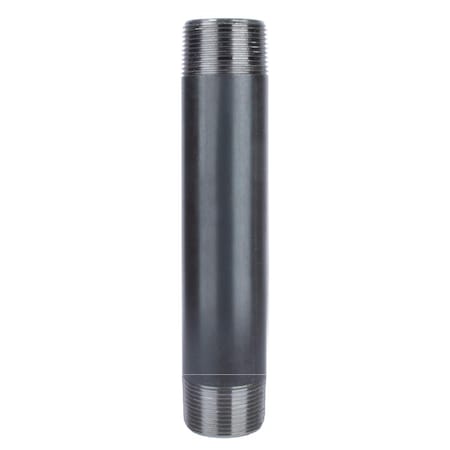
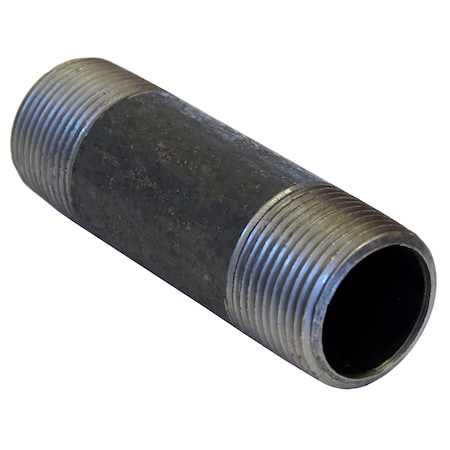
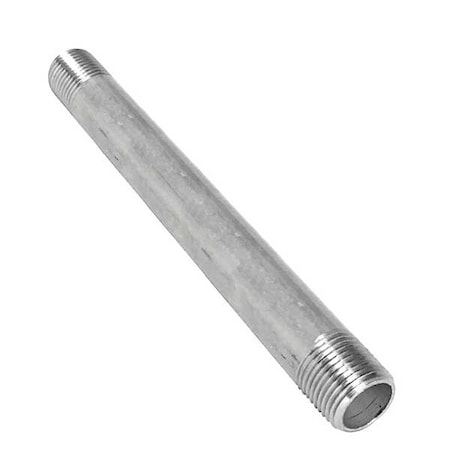
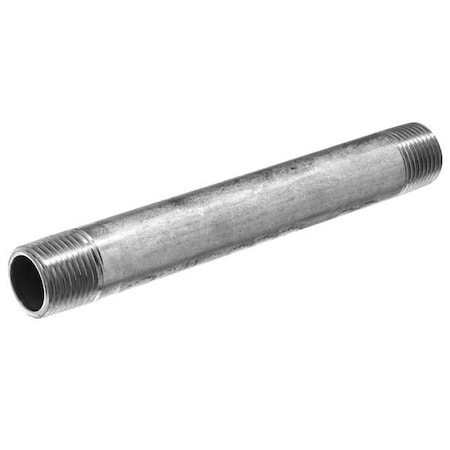
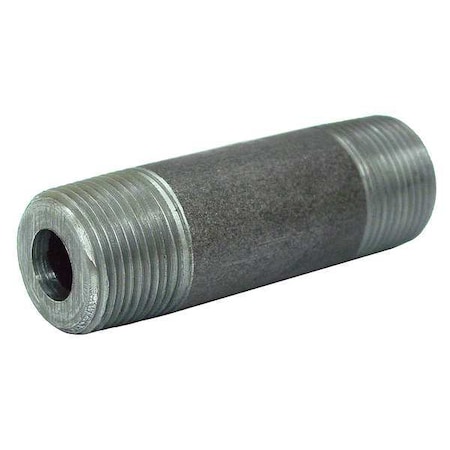
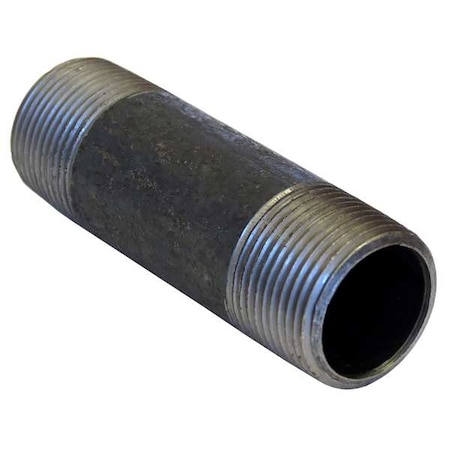
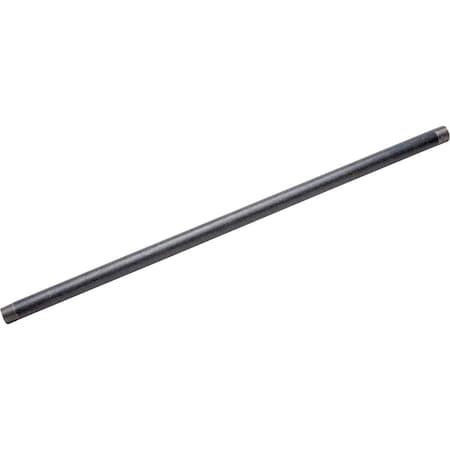
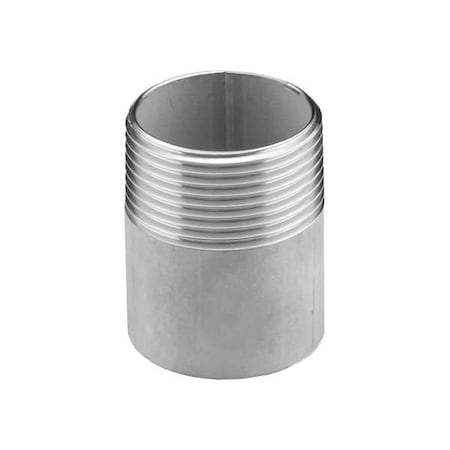
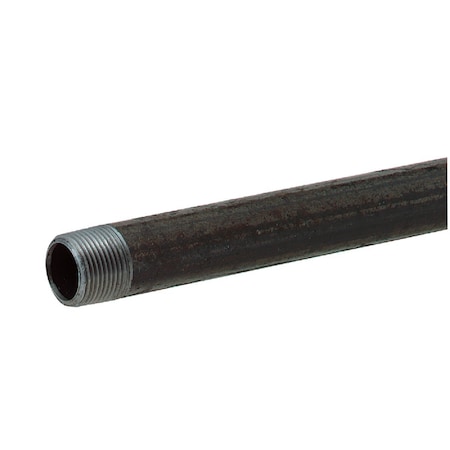
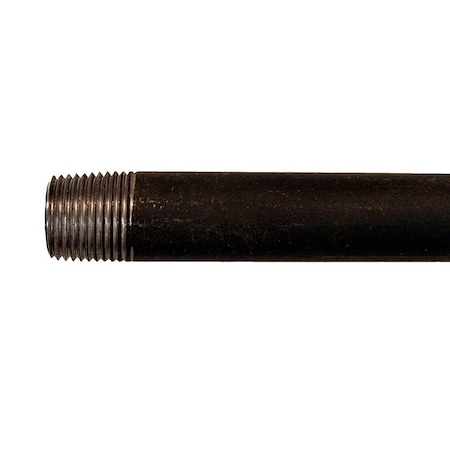
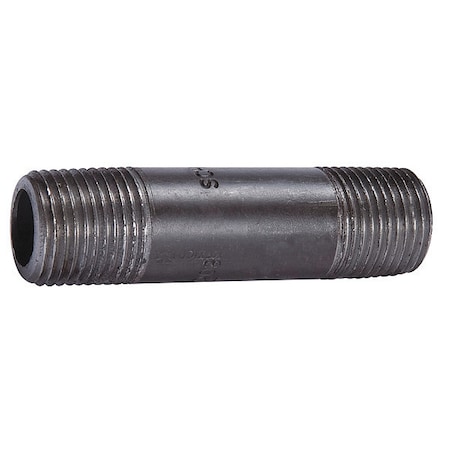
Black pipes, also called steel pipes, carry water and gas, including natural gas, from their sources to end users. They are a crucial part of many plumbing and gas systems used in residential and commercial applications. Black steel pipes can be welded or threaded and are available in a range of sizes and thicknesses to suit the needs of different projects, as specified by standards such as ASTM.
Frequently Asked Questions
Black pipes, also known as wrought iron pipes, offer several advantages for plumbing applications. They are highly durable and resistant to corrosion, making them suitable for use in both indoor and outdoor environments. Additionally, black pipes are known for their strength and ability to withstand high pressure and temperature fluctuations, ensuring a reliable and long-lasting solution for various plumbing systems.
Black pipes come in various types, each with its specific characteristics and applications. Common types include: Schedule 40, which is a general-purpose pipe suitable for water and gas lines; Schedule 80, which is thicker and designed for higher pressure applications; and Schedule 160, the thickest and strongest type, ideal for demanding industrial uses. Choosing the appropriate schedule depends on the specific requirements and pressure ratings of the plumbing system.
Connecting black pipes typically involves the use of threaded fittings and a sealant like pipe dope or Teflon tape. The threads on the pipe and fittings allow for a secure and leak-proof connection. To ensure a proper seal, apply the sealant to the threads before screwing the components together. Tighten the connection using a pipe wrench or pliers, taking care not to overtighten and damage the threads.
Maintaining black pipes is crucial to ensure their longevity and prevent any issues. Regular inspections are recommended to check for corrosion or leaks. If rust occurs, it should be removed promptly using a wire brush and repainted with a rust-resistant coating. Additionally, periodically checking and tightening the connections can prevent leaks and maintain the integrity of the plumbing system.