
Fluke Proving Unit
Results for "Fluke Proving Unit" (419 items)
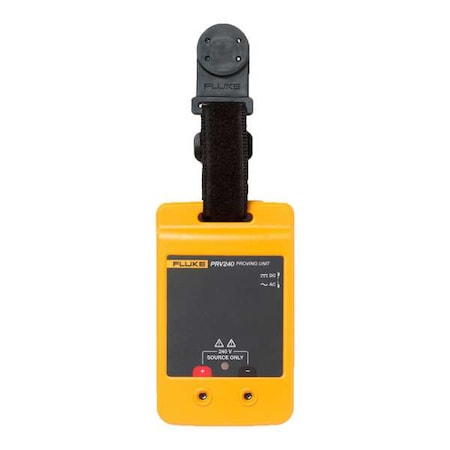
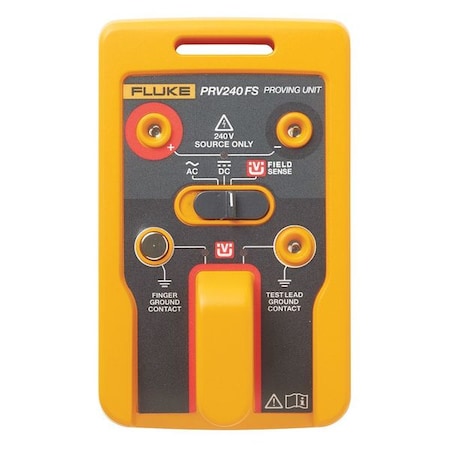
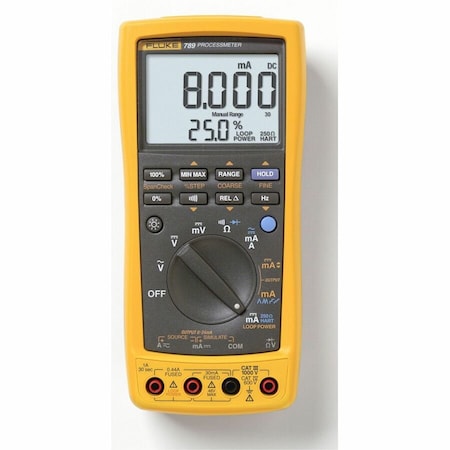
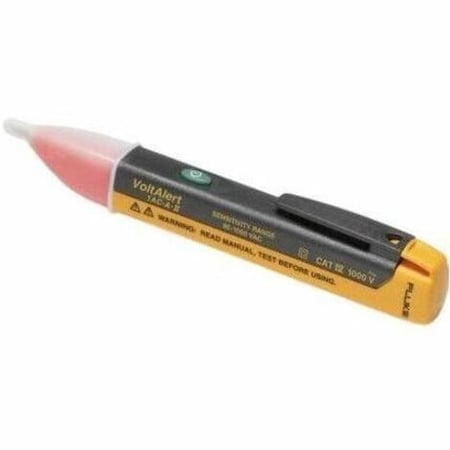
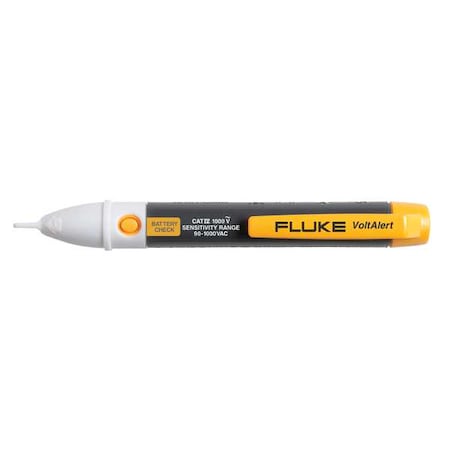
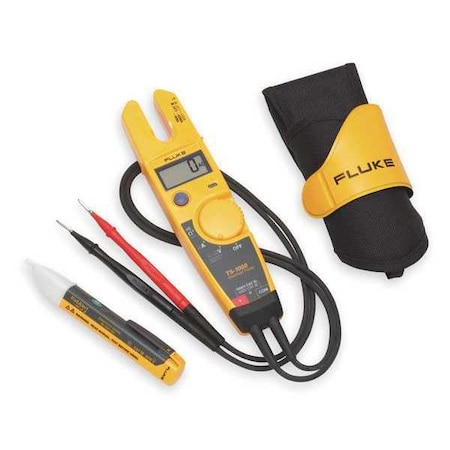
Voltage Detector, Range 90 to 1000V AC, Audible/Visual Indication, Push Button Switch, Auto Off
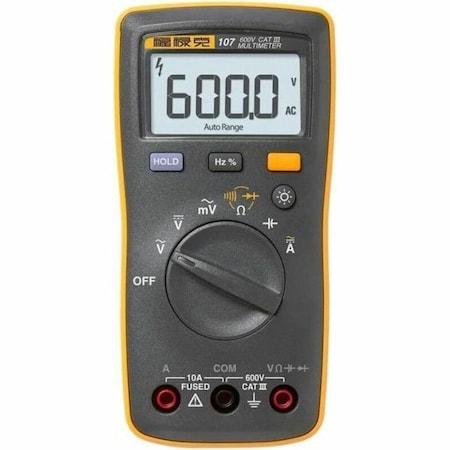
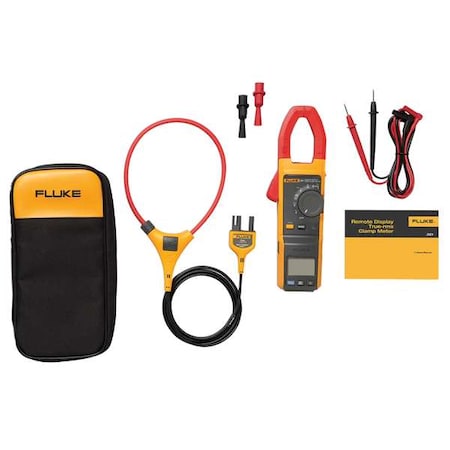
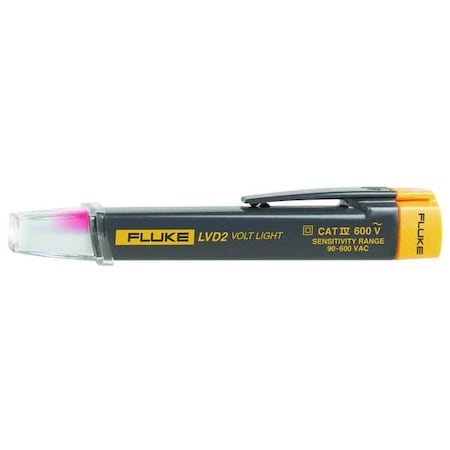
Voltage Detector, 90 to 600V AC, 5 1/2 in Length, Visual Indication, CAT IV 600V Safety Rating
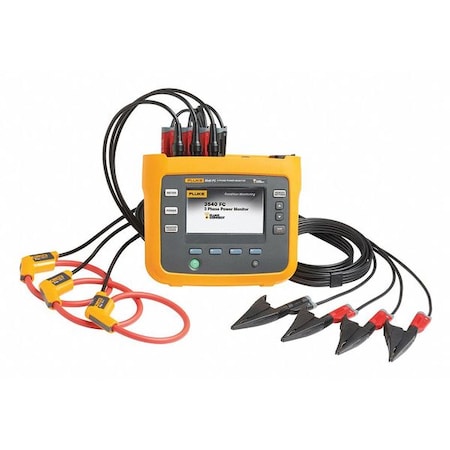
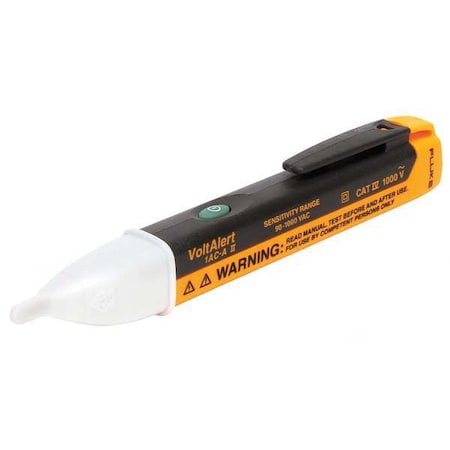
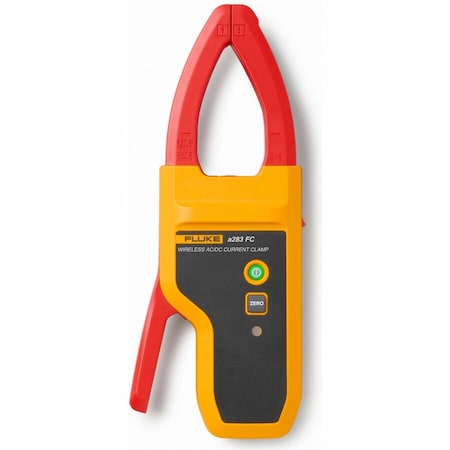
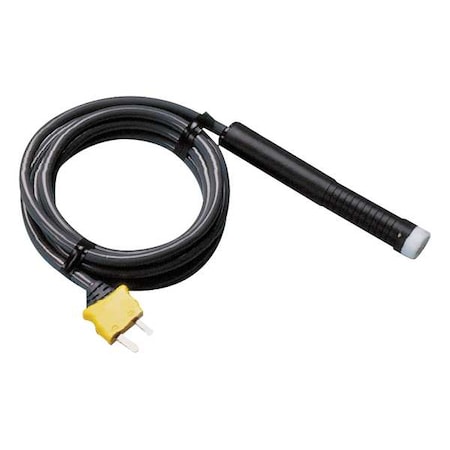
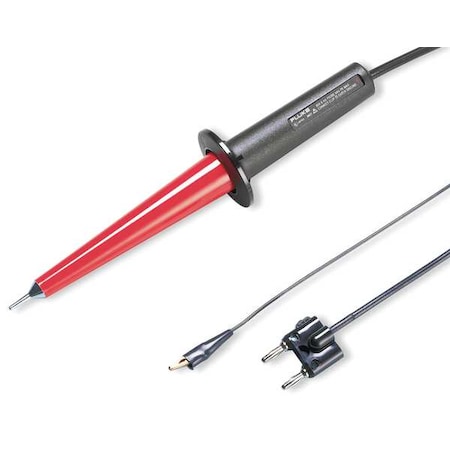
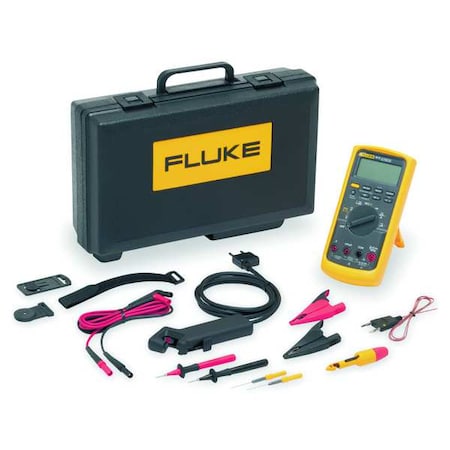
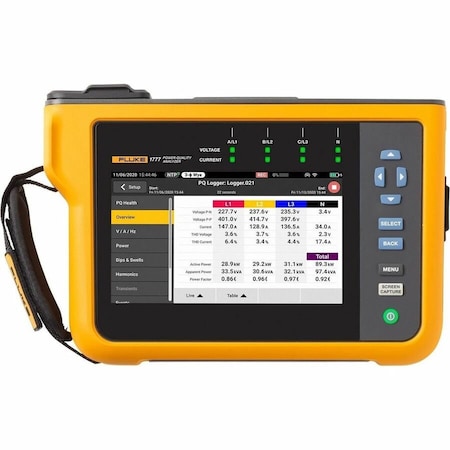
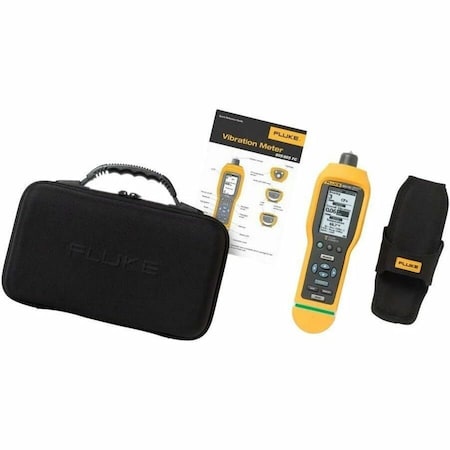
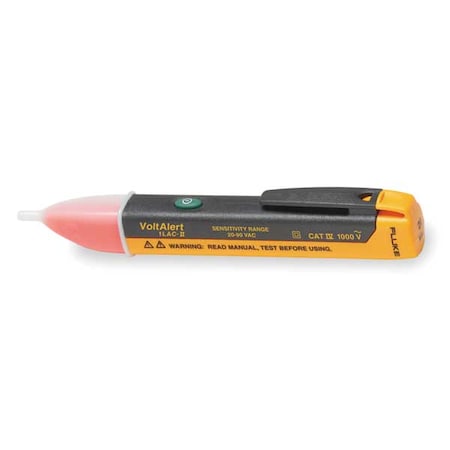
Voltage Detector, 20 to 90V AC, 5 in Length, Audible, Visual Indication, CAT IV 1000V Safety Rating
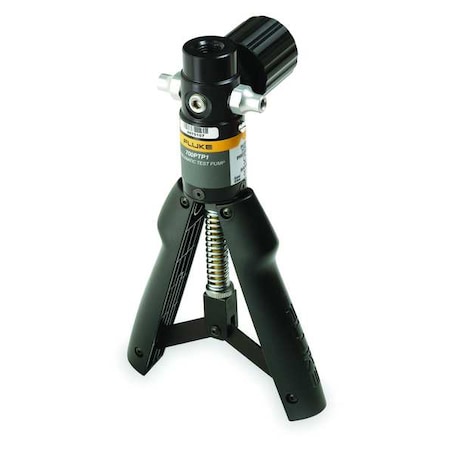
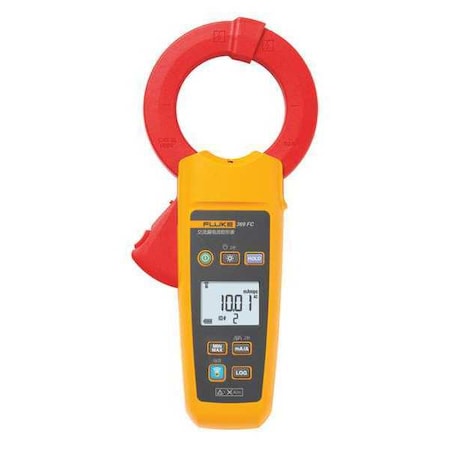
Top reasons why customers love these products
Customer insights summarized by AI
Customer insights summarized by AI
Enhanced Workflow Efficiency
Integrating signal generation capabilities directly into a multimeter streamlines troubleshooting and calibration processes, reducing the need for multiple tools.
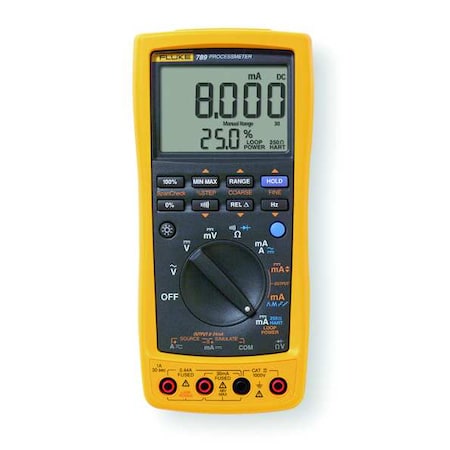
- Process Calibrator Multimeter, NIST“I used to use a Fluke 87V DMM and a separate signal generator for process calibrations and troubleshooting. This meter combines both and is invaluable to me being able to perform my job quickly and efficiently.”“This is the second 789 meter that I have purchased. I liked the features of mA sourcing built into multimeter that I ordered a second unit. One less tool to carry around.”“We use our 789 mostly for the ability to loop power 24vdc instruments and to send 4-20ma signals into our PLCs. This definitely reduces the amount of time spent troubleshooting issues by quickly allow us to separate issues between the instrument or the PLC side.”“As an Automation Engineer, I use this meter all the time for both testing equipment in the shop before commissioning and troubleshooting systems in the field. It is an indispensable tool when dealing with analog signals and also useful as a standard multimeter. The only meter that I carry.”“I purchased my 789 a few years ago and have never looked back. It is a solid tool for testing I/O and calibrating sensors. It is the only multi-meter that I carry other than the 773 Clamp Meter.”
- Process Calibrator Multimeter“This does everything I need and the loop power for instruments is *very* useful. If you do 4-20mA instruments and all the other standard things then this is what you need.”“This is the second 789 meter that I have purchased. I liked the features of mA sourcing built into multimeter that I ordered a second unit. One less tool to carry around.”


Durability in Demanding Environments
These units consistently withstand harsh industrial conditions, maintaining functionality and reliability over extended periods of use.
- Process Calibrator Multimeter, NIST“The meter itself is also very rugged.”“IT has held up to harsh elements in all sorts of process manufacturing.”“As with all of the Fluke equipment I have come across, the build quality is great and it is a joy to use.”
- Process Calibrator Multimeter“I have had a Fluke 789 for about 8 years. It has served me faithfully without fail.”“These process meters are great. I use them every day as part of my job and are accurate to the thousands.”
- Temp Calibrator, to2498 Degrees F, NIST“These units have proven to be very robust as we use them in a very harsh environment.”
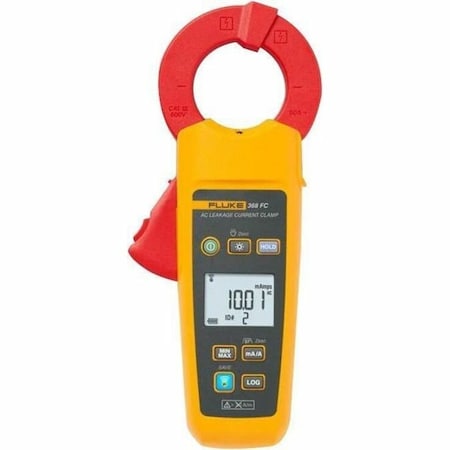
- Vibration Meter, Fluke Connect(TM)“bought about a year ago, very durable and useful. Best meter ive owned!”


Accurate and Reliable Measurements
Professionals consistently find these devices to deliver precise and trustworthy readings for various electrical and process control tasks.
- Process Calibrator Multimeter, NIST“All the functions that it does have work accurate, fast, precise, etc. You can source/simulate 4-20mA (very accurately)”
- Process Calibrator Multimeter“I used all the time this meter for checking 4-20 ma signals and also as signal generator. Very reliable meter used in process meter or electrical works.”“These process meters are great. I use them every day as part of my job and are accurate to the thousands.”
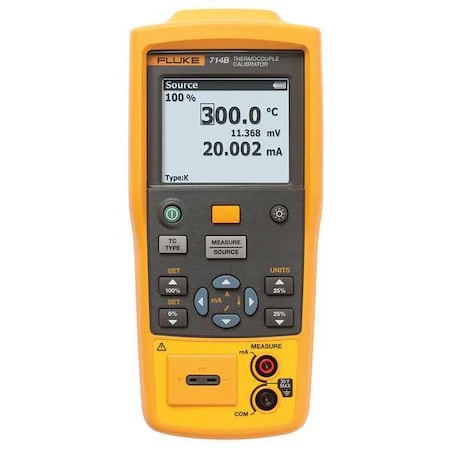
- Temp Calibrator, to2498 Degrees F, NIST“This calibrator is easy to use and is very accurate”
- Vibration Meter, Fluke Connect(TM)“close isn't always good enough when it comes to electricity. I trust my fluke meyers and they are recognized as THE tool to use when getting electricity readings.”“Great conbo kit. Accurate and durable. Easy to use as well.”
- VoltageDetector/Tester, 9.99 kiloohm, IP40“Accurate- like most if not all Fluke meters”

Versatile for Multiple Applications
The proving units offer broad functionality, suitable for diverse tasks ranging from analog signal testing to general electrical measurements.
- Process Calibrator Multimeter, NIST“Used for testing 4-20 ma analog input module calibration. Easily setup to step through the ranges needed and determine bad modules.”“I use mine all the time for checking mA loops and load cells. I find the loop power function particularly useful for setting up a new transmitter before leaving the workshop.”“I use it almost every day for voltage, resistance, and to simulate/ measure 4-20ma.”
- Process Calibrator Multimeter“I used all the time this meter for checking 4-20 ma signals and also as signal generator. Very reliable meter used in process meter or electrical works.”
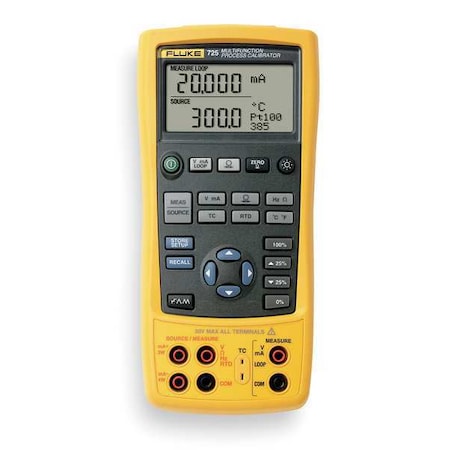
- Temp Calibrator, to2498 Degrees F, NIST“It's easy to switch from RTDs to many different TC with the push of a button. Also is easy to source and measure, dual display make trouble shooting easy.”
- Multifunction Calibrator, Temp, Pressure“This process calibrator is a must to allow you to simulate or validate field sensor of almost all analogic type. With this, we were able to adjust our control enclosure without the field sensor, like RTD, 4-20mA, etc.”
- Vibration Meter, Fluke Connect(TM)“The other goodies included with this kit make it great for any HVAC tech. The 323 clamp meter is awesome for quick current readings and verifications. The thermocouples are very useful.”

How professionals are using Fluke Proving Unit
Industrial Process Control & Automation
These proving units are frequently used by automation engineers and industrial electricians for calibrating analog input modules, checking mA loops, and setting up transmitters in process control systems, significantly aiding in commissioning and troubleshooting equipment.
- Process Calibrator Multimeter, NIST“Used for testing 4-20 ma analog input module calibration. Easily setup to step through the ranges needed and determine bad modules.”“I use mine all the time for checking mA loops and load cells. I find the loop power function particularly useful for setting up a new transmitter before leaving the workshop.”“I am an I&C System Designer / Engineer / Project Manager. This is about as good as you can get in a bar style process multi-meter. You can source/simulate 4-20mA (very accurately), and has the ability to loop power which is great.”“I used to use a Fluke 87V DMM and a separate signal generator for process calibrations and troubleshooting. This meter combines both and is invaluable to me being able to perform my job quickly and efficiently.”“I use it almost every day for voltage, resistance, and to simulate/ measure 4-20ma. IT has held up to harsh elements in all sorts of process manufacturing.”“A very useful meter for process control. I can carry only one meter and do both 4-20 miliamps (measure, source and sink) and electrical testing.”“As an Automation Engineer, I use this meter all the time for both testing equipment in the shop before commissioning and troubleshooting systems in the field.”“We use our 789 mostly for the ability to loop power 24vdc instruments and to send 4-20ma signals into our PLCs. This definitely reduces the amount of time spent troubleshooting issues by quickly allow us to separate issues between the instrument or the PLC side.”
- Process Calibrator Multimeter“Bought this meter to test and troubleshoot automation systems. 24V power supply and ma test capabilities make this as all inclusive meter for industrial elec. applications. Love it!”
- Multifunction Calibrator, Temp, Pressure“This process calibrator is a must to allow you to simulate or validate field sensor of almost all analogic type. With this, we were able to adjust our control enclosure without the field sensor, like RTD, 4-20mA, etc. Honestly, now we can go without this on the field.”
Instrument Calibration & Troubleshooting
Professionals rely on these devices for essential tasks like instrument calibration, signal generation, and troubleshooting sensors, PLCs, and 4-20mA controls in various industrial settings.
- Process Calibrator Multimeter, NIST“Used for testing 4-20 ma analog input module calibration. Easily setup to step through the ranges needed and determine bad modules.”“I used to use a Fluke 87V DMM and a separate signal generator for process calibrations and troubleshooting.”“I'm an Industrial journeyman electrician in a papermill. I use this meter everyday in troudleshooting and instrument calibration . GREAT METER !!!!!!”“It is a solid tool for testing I/O and calibrating sensors.”
- Process Calibrator Multimeter“I use this guy everyday even when I'm not loop checking or calibrating a device... all around great tool!”“I am a Controls Engineer/Technician who also does instruments and PLC input/output checkout.”“We use our 789 mostly for the ability to loop power 24vdc instruments and to send 4-20ma signals into our PLCs. This definitely reduces the amount of time spent troubleshooting issues by quickly allow us to separate issues between the instrument or the PLC side.”“I use this meter everyday in troudleshooting and instrument calibration .”
- Process Calibrator, Current and Voltage“We are able to do all types of loop tests and calibrations for receiver & sender side of a 4-20 ma loop system with our left or right hand.”
- Multifunction Calibrator, Temp, Pressure“This process calibrator is a must to allow you to simulate or validate field sensor of almost all analogic type. With this, we were able to adjust our control enclosure without the field sensor, like RTD, 4-20mA, etc.”

HVAC System Diagnostics
These kits are valued by HVAC technicians for daily diagnostic work, including quick current readings, temperature verification, and general troubleshooting on residential, commercial, and industrial equipment.
Electrical Design & Field Testing
Electrical designers and programmers find these meters essential for field work, from testing new equipment and troubleshooting existing systems to performing general electrical tasks.
- Process Calibrator Multimeter, NIST“As an Electrical Designer/Programmer this model fulfills every need I have when working out in the field. Whether testing new equipment or troubleshooting old, I can do it all with a Fluke Process Meter”
- Vibration Meter, Fluke Connect(TM)“I trust my fluke meyers and they are recognized as THE tool to use when getting electricity readings. My entire crew carries the 117 on their belts. It's a must have. Easy to use. Durable. And identified as the mark of a professional.”“I am an instructor at a career college, and this meter set is the standard used in my field. The meters are a great combination for any electrical trade.”
Fluke Proving Unit FAQs
Yes, several reviews confirm that these devices are highly effective for calibrating 4-20mA analog input modules, facilitating easy setup to step through ranges and identify faulty components. This is supported by 5 reviews.
- Process Calibrator Multimeter, NIST“Used for testing 4-20 ma analog input module calibration. Easily setup to step through the ranges needed and determine bad modules.”“You can source/simulate 4-20mA (very accurately), and has the ability to loop power which is great.”“I can carry only one meter and do both 4-20 miliamps (measure, source and sink) and electrical testing.”
- Process Calibrator, Current and Voltage“We are able to do all types of loop tests and calibrations for receiver & sender side of a 4-20 ma loop system with our left or right hand.”
- Multifunction Calibrator, Temp, Pressure“This process calibrator is a must to allow you to simulate or validate field sensor of almost all analogic type. With this, we were able to adjust our control enclosure without the field sensor, like RTD, 4-20mA, etc.”
These units are frequently described as very durable and rugged, holding up well in harsh industrial and process manufacturing environments. Multiple professionals noted their longevity and ability to withstand significant wear and tear, with 7 reviews specifically mentioning their robustness.
- Process Calibrator Multimeter, NIST“The meter itself is also very rugged.”“IT has held up to harsh elements in all sorts of process manufacturing.”“It is durable and rugged.”
- Process Calibrator Multimeter“I have had a Fluke 789 for about 8 years. It has served me faithfully without fail.”
- Temp Calibrator, to2498 Degrees F, NIST“These units have proven to be very robust as we use them in a very harsh environment.”
- Vibration Meter, Fluke Connect(TM)“bought about a year ago, very durable and useful. Best meter ive owned!”“The meter is very durable and takes alot of beating that is given to it on the job.”
Yes, several reviews highlight that these devices combine the functionality of a DMM and a signal generator, enabling professionals to carry fewer tools. This integrated approach is praised for its efficiency in various testing scenarios, mentioned in 5 reviews.
Yes, many users describe these units as easy to use and simple to learn, even for complex tasks like loop tests and calibrations. Features like clear displays and intuitive controls contribute to a positive user experience, as noted in 5 reviews.
- Process Calibrator Multimeter, NIST“Easy to see display.”
- Process Calibrator, Current and Voltage“Simple to learn and use. Small light weight. When Fluke says 'one handed' they really meant it.”“the 707 is compact and simple to use. we have bought several for our plant.”
- Temp Calibrator, to2498 Degrees F, NIST“This calibrator is easy to use and is very accurate”
- Multifunction Calibrator, Temp, Pressure“Light weight and easy to use.”
What Professionals Say
From professionals who use Fluke Proving Unit
I use mine all the time for checking mA loops and load cells. I find the loop power function particularly useful for setting up a new transmitter before leaving the workshop.
I am an I&C System Designer / Engineer / Project Manager. This is about as good as you can get in a bar style process multi-meter.
This process calibrator is a must to allow you to simulate or validate field sensor of almost all analogic type. With this, we were able to adjust our control enclosure without the field sensor, like RTD, 4-20mA, etc. Honestly, now we can go without this on the field.

