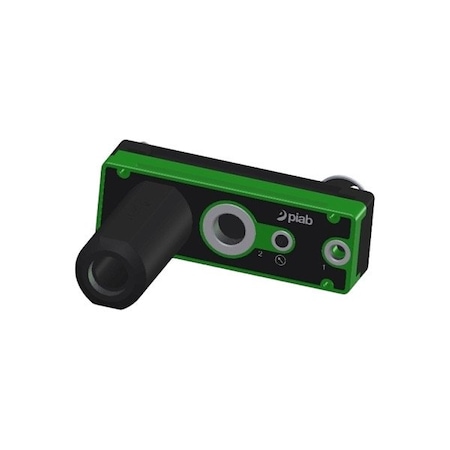
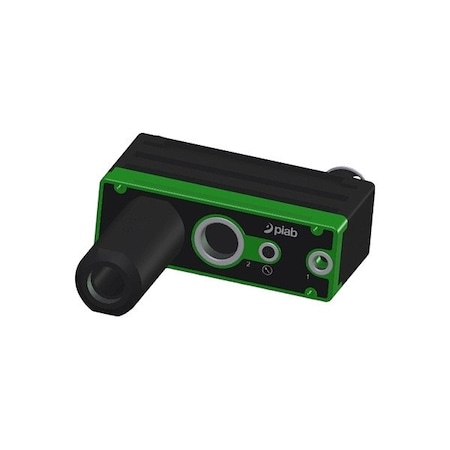
Vacuum ejectors are often used in pneumatic conveyor systems to transform positive pressure to negative—or vacuum—pressure. They are also used in many industrial robotic and automated systems, where vacuums must be created quickly and repeatedly to power motion. Choose from inline or single unit vacuum ejectors, and make sure you know the size tube you’ll be connecting it to before you shop. In addition to conveyors and robotics, vacuum ejectors are used in a variety of manufacturing and industrial machines that have pneumatic pumping systems. You can also shop for vacuum regulators, vacuum saving valves and vacuum pressure switches.
Frequently Asked Questions
Vacuum ejectors offer several advantages, including their ability to generate high vacuum levels, handle large gas volumes, and operate reliably in harsh environments. They also require minimal maintenance and are relatively simple to install and operate.
Vacuum ejectors operate by using a high-velocity motive fluid to entrain and compress a secondary fluid, creating a vacuum. The motive fluid is typically steam or compressed air, while the secondary fluid can be a variety of gases or vapors.
There are two main types of vacuum ejectors: single-stage and multi-stage. Single-stage ejectors are the most common type and are suitable for most applications. Multi-stage ejectors are used for applications requiring higher vacuum levels.
Vacuum ejectors are used in a wide range of applications, including vacuum drying, vacuum filtration, vacuum degassing, and vacuum conveying. They are also used in the chemical, pharmaceutical, food, and semiconductor industries.