
Fluke Process Meter
Results for "Fluke Process Meter" (456 items)
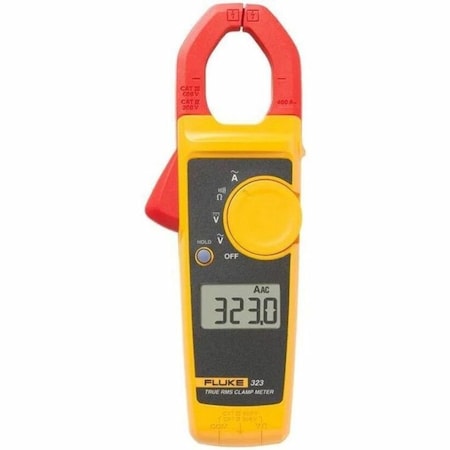
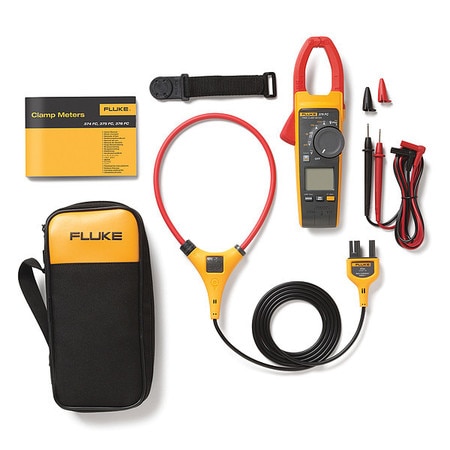
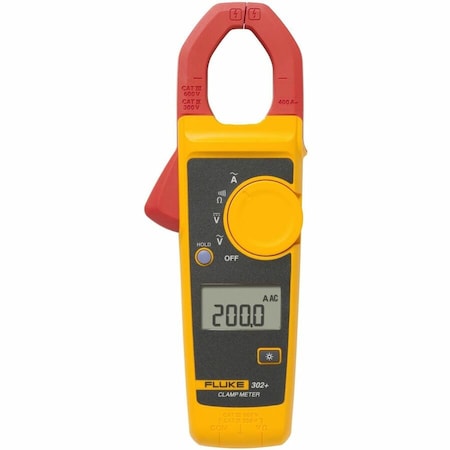
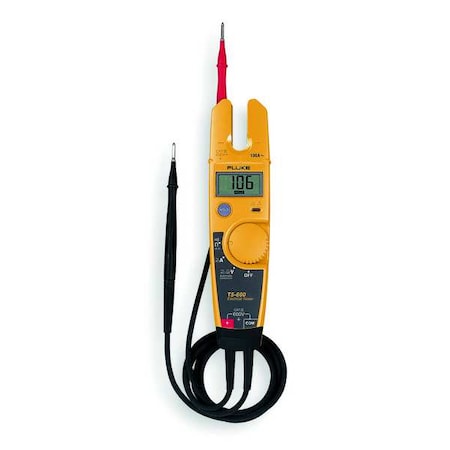
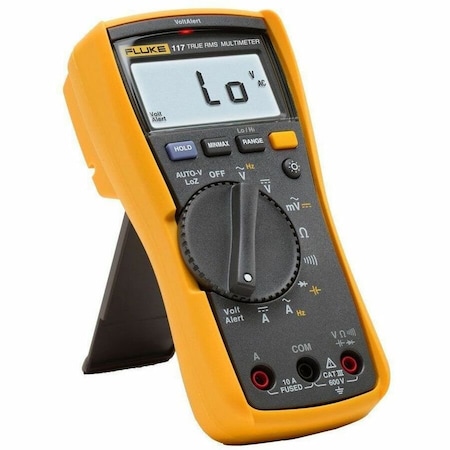
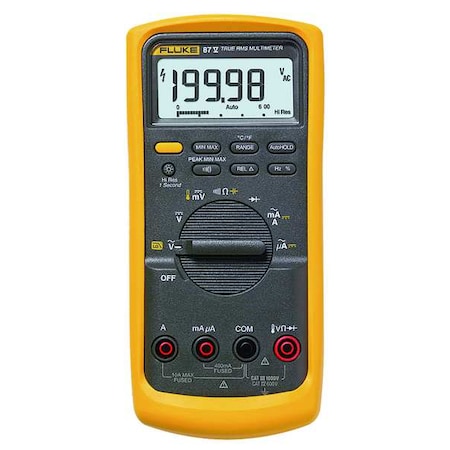
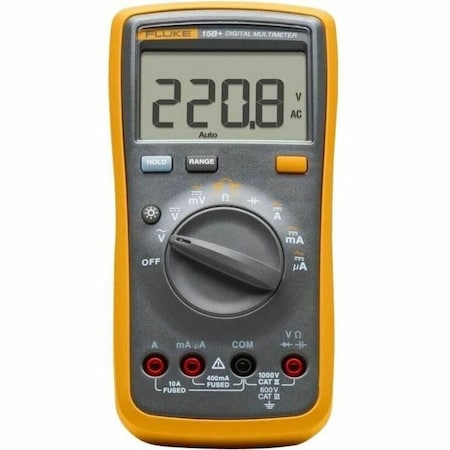
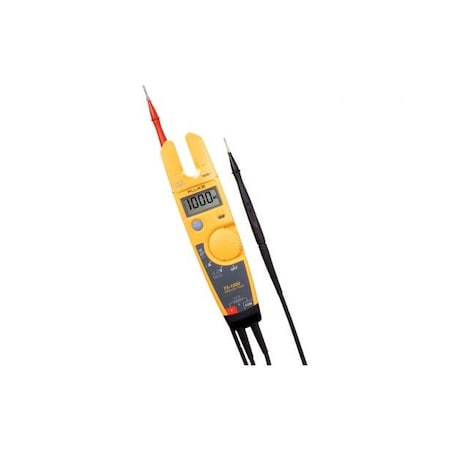
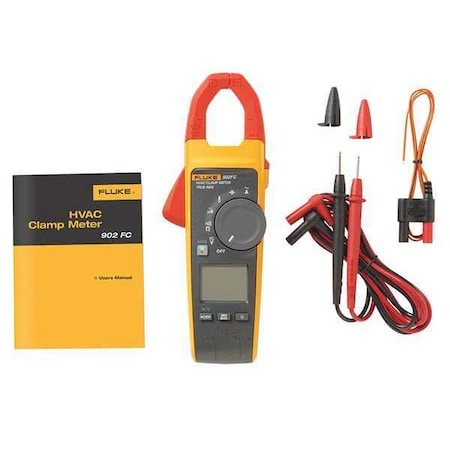
Digital Multimeter, Max 10V AC/DC Amps, AC/DC Voltages up to 600V, TRMS, Instrument Counts 6000, LCD
Magnetic Meter Hanging Kit, For Use With Fluke Clamp Meters, Digital Multimeters, Electrical Testers
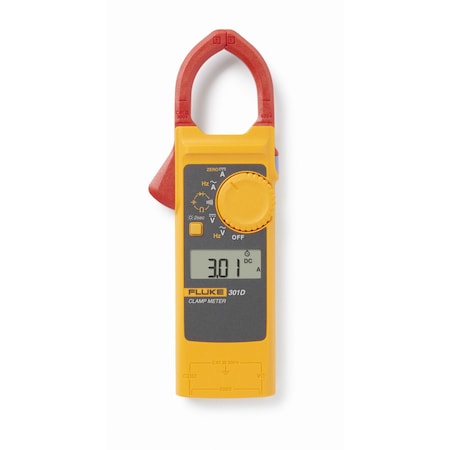
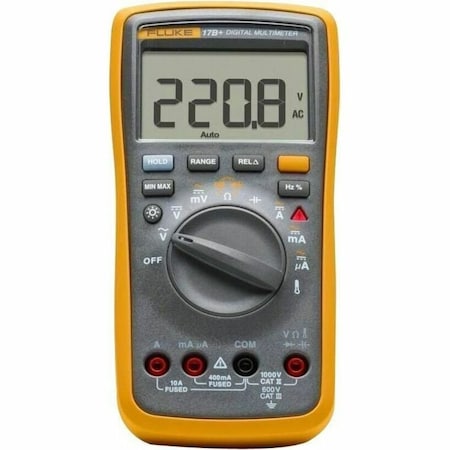

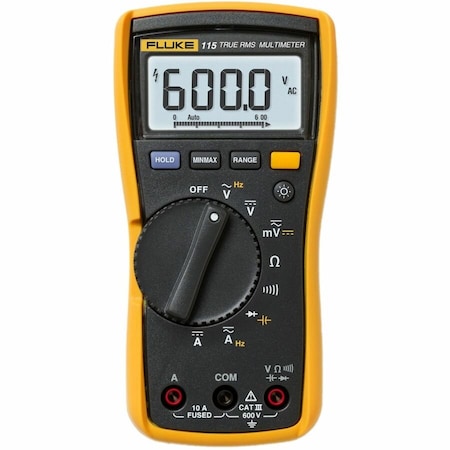
Digital Multimeter, CAT III 1000V, CAT IV 600V, AC/DC Max Amps 10 A, TRMS, Instrument Counts 6,000
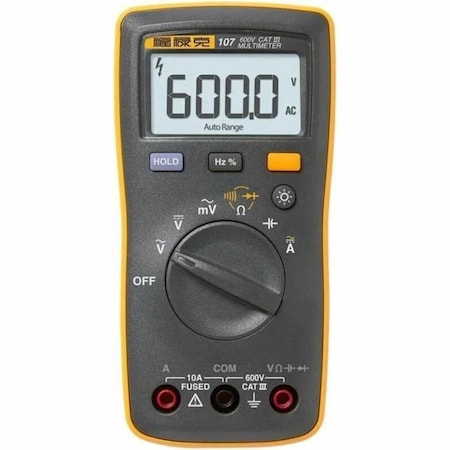
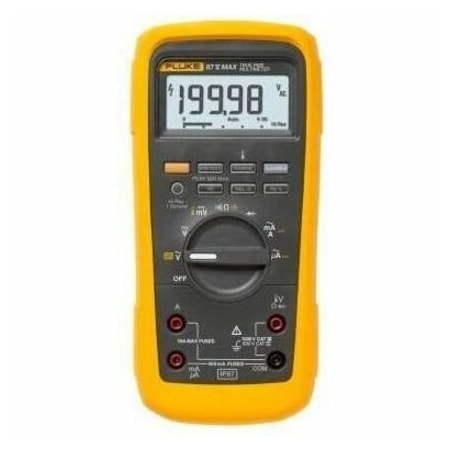
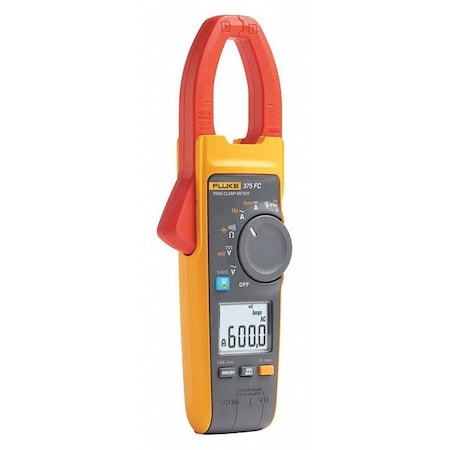
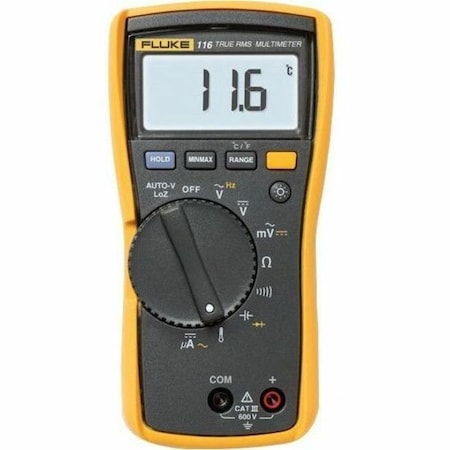
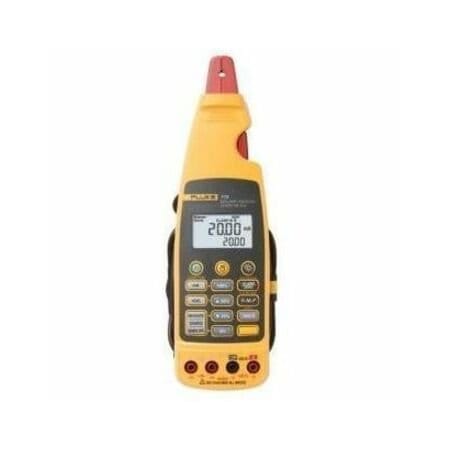
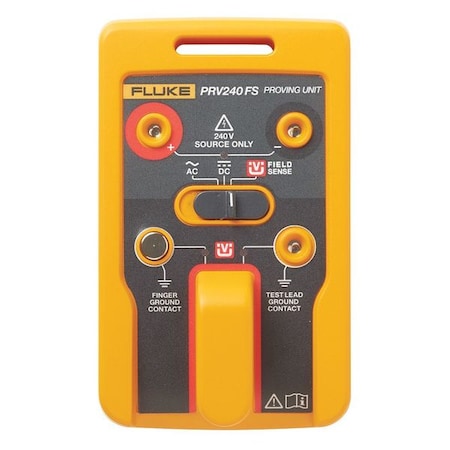
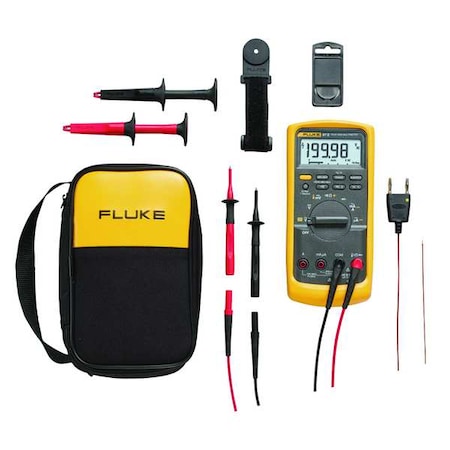
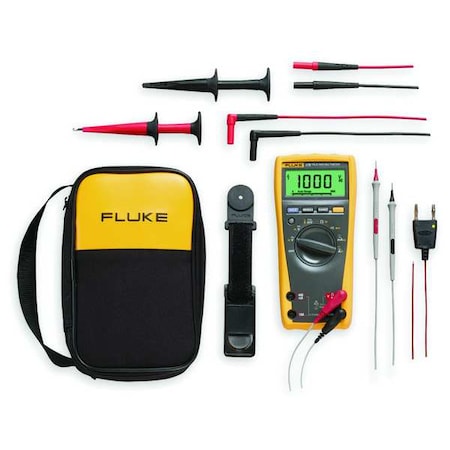
Digital Multimeter Kit, CAT III 1000V, CAT IV 600V, Max AC/DC Amps 10A TRMS, Data Logging, Backlit
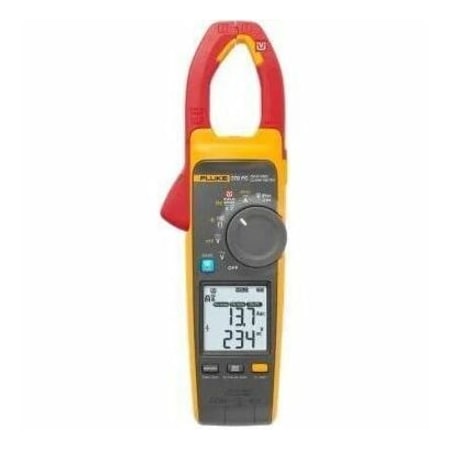

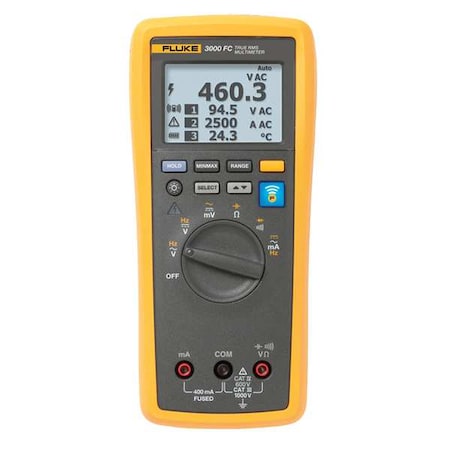
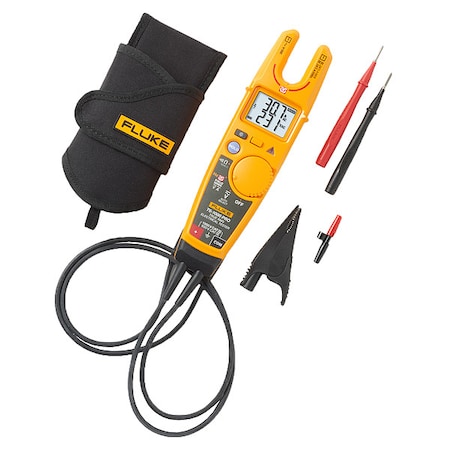
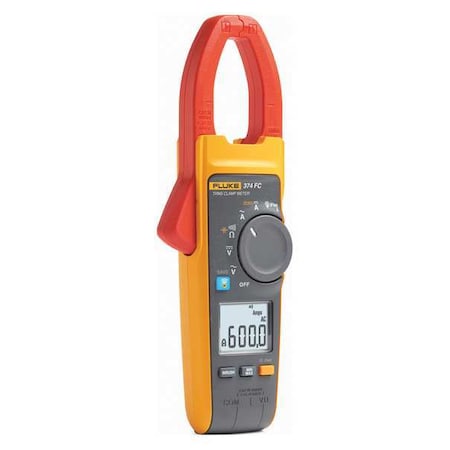
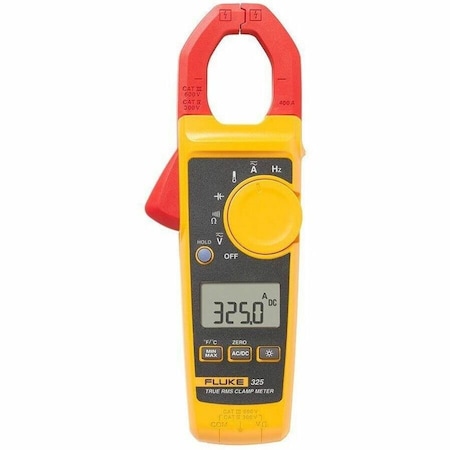
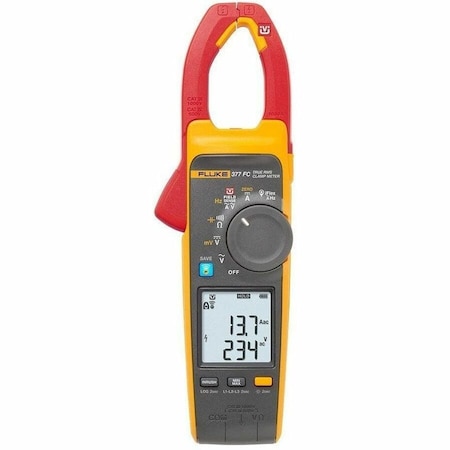
Digital Clamp Meter, Simultaneous Voltage and Current Display, CAT III 1000V/CAT IV 600V, 200 Max AC
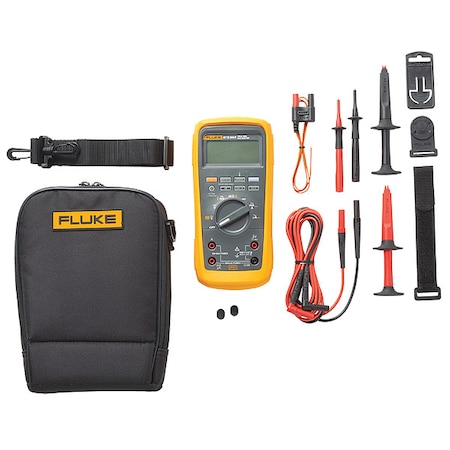
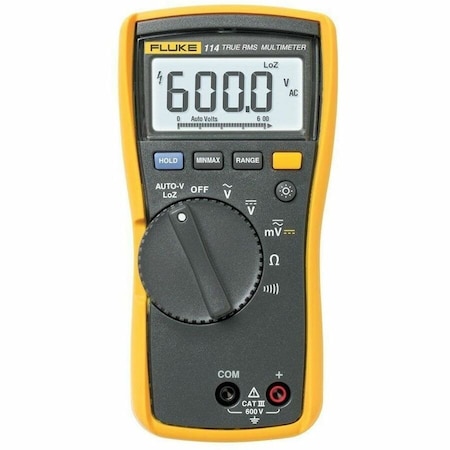
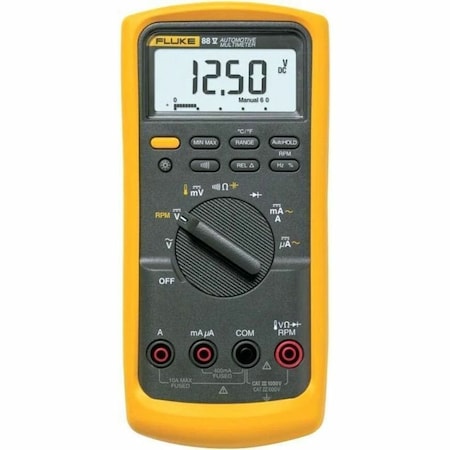

Digital Multimeter, 1,000 V Max DC, 0 V Max AC, TRMS, 6,000/19,999 Instrument Counts, Backlit LCD
Customer insights summarized by AI
Top reasons why customers love these products
Customer insights summarized by AI
Precision and Accuracy
Professionals consistently rely on these meters for precise measurements, ensuring confidence in diagnostics and calibration tasks across diverse industrial applications.
Durability and Reliability
These meters are built to withstand harsh industrial conditions, with multiple reviews highlighting their rugged construction and consistent performance over many years of use.
Versatility and Multifunctionality
Many professionals value these meters for their broad range of capabilities, often replacing multiple specialized tools and simplifying their toolkit for varied tasks.
Efficiency and Time-Saving
Users report significant time savings due to features like fast readings, logging capabilities, and combined functionalities that streamline troubleshooting and setup processes.
How professionals are using Fluke Process Meter
Process Control and Automation
Fluke process meters are frequently used by automation and controls engineers for tasks such as checking mA loops, calibrating sensors, troubleshooting analog signals, and setting up new transmitters with built-in loop power functions.
Industrial Electrical and Instrumentation
Instrument and electrical technicians in various industries, including manufacturing, papermills, and oil, utilize these meters daily for measuring milliamp signals, troubleshooting industrial control systems, and performing instrument calibrations.
Troubleshooting 4-20mA Circuits
These meters are essential for diagnosing issues in 4-20mA circuits, offering capabilities to measure, source, sink, and simulate signals, significantly improving efficiency and reducing guesswork in industrial settings.
General Electrical Troubleshooting
Professionals across various fields, including A/V system integrators and electrical designers, find these meters invaluable for general electrical troubleshooting, from checking system inputs/outputs to diagnosing complex electrical issues and verifying component performance.
Fluke Process Meter FAQs
Yes, several reviews confirm that these meters are highly suitable for process control and automation. Users, including Automation Engineers and Controls Engineers, specifically mention using them for checking mA loops, load cells, analog signals, PLC input/output checkout, and instrument calibration, noting their indispensable nature in these fields.
These meters are consistently praised for their durability and reliability in industrial settings, as highlighted in 10 reviews. Users report that they withstand drops, rugged use in heavy industrial facilities, and maintain consistent performance over many years, with some units still functional after decades of service.
Yes, numerous reviews confirm these meters excel at measuring and simulating 4-20mA signals. Professionals explicitly state using them for 4-20mA analog input module calibration, troubleshooting 4-20mA controls, and for checking and generating 4-20mA signals in process manufacturing and industrial electrical work.
Yes, many reviews highlight features that significantly enhance troubleshooting efficiency. Professionals praise logging capabilities for pinpointing intermittent issues over time, the ability to combine DMM functions with signal generation for process calibrations, and fast response times that prevent time-consuming delays in readings.
What Professionals Say
From professionals who use Fluke Process Meter
If I have a problem with a system input or output, in little more than the time it takes to connect the leads, I have all the info I need to point me in the right direction.
This does everything I need and the loop power for instruments is *very* useful. If you do 4-20mA instruments and all the other standard things then this is what you need.
I work in the oil industry and having a Fluke 787 on hand is a must for our day to day activities at the manufacturing facility. The ability to source and simulate signals is fantastic.

