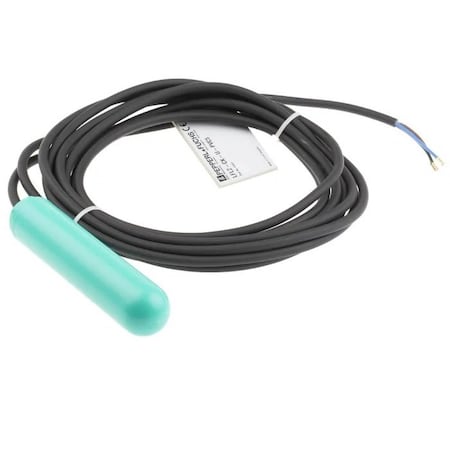
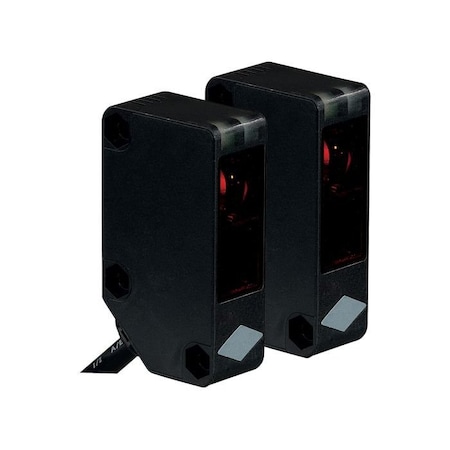
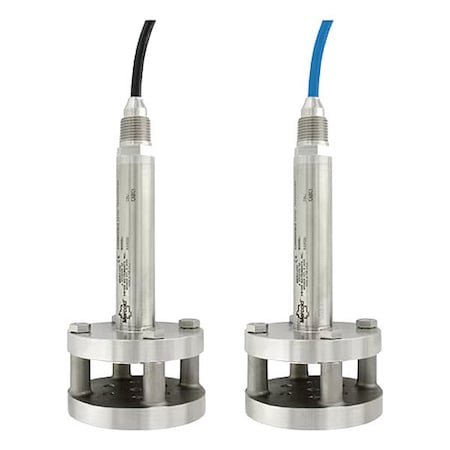
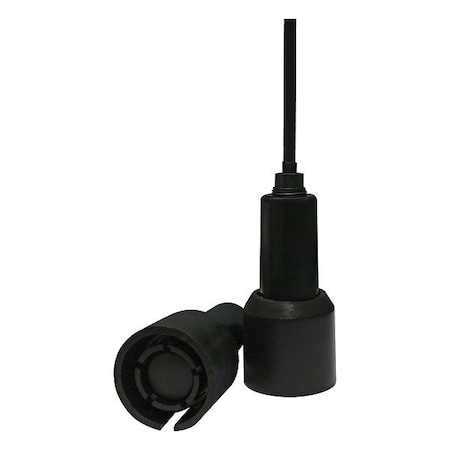
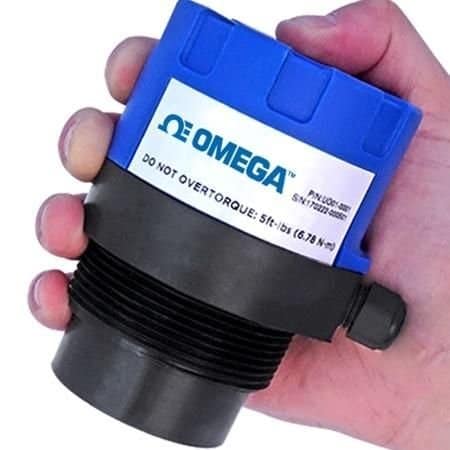
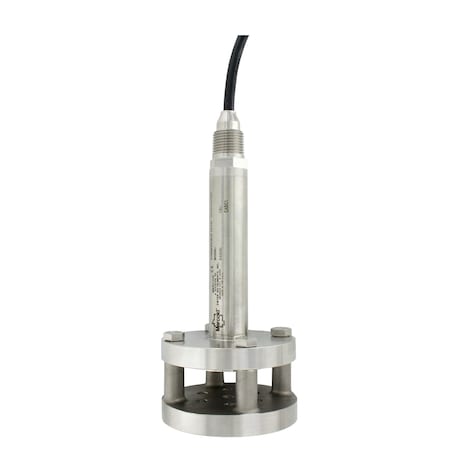
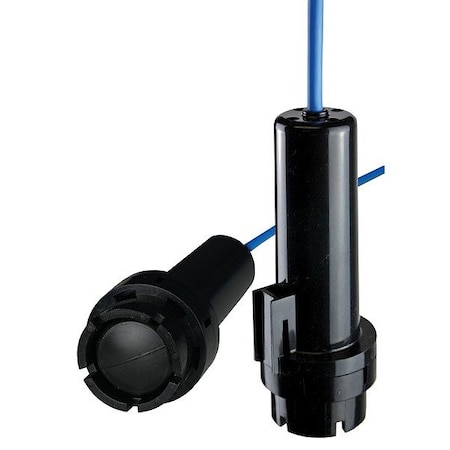
Level sensors (AKA level sensor switch) activate when the level of liquid or other flowing substance contained in a tank, reservoir, drum or barrel reaches a predetermined setting. There are many different types of liquid level sensors, including a float switch, ultrasonic sensor, photoelectric sensor and others. Level sensors are typically used within closed vessels and open tanks in food and chemical manufacturing, pharmaceuticals, as well as in ponds & fountains and other commercial and residential plumbing, reservoirs and sumps. Items vary by dimensions, conduit size, compatibilities, mounting style, features and other considerations.
Frequently Asked Questions
Level sensors measure the level of a liquid or solid in a tank or container using various techniques such as float switches, ultrasonic waves, capacitance, or pressure.
There are various types of level sensors, including float switches, ultrasonic sensors, capacitance sensors, pressure sensors, and optical sensors, each with its unique operating principles and applications.
Selecting the appropriate level sensor involves considering factors such as the media type (liquid or solid), tank shape and size, temperature range, accuracy requirements, and desired output signal.
Level sensors provide numerous benefits, including accurate level measurement, improved process control, automated monitoring, reduced downtime, and enhanced safety by preventing overfills or run-dry conditions.