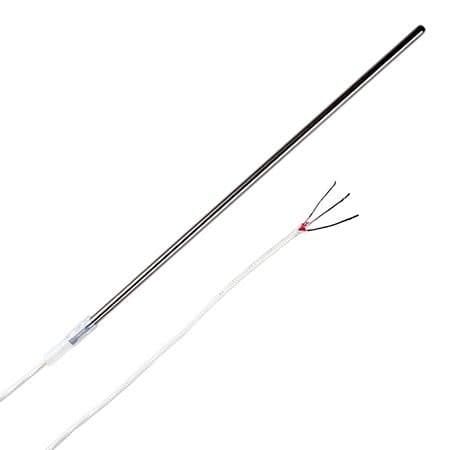
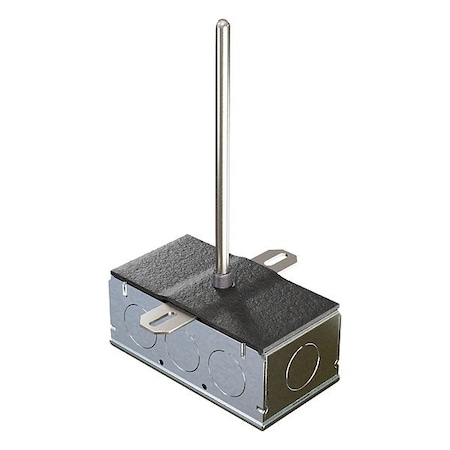
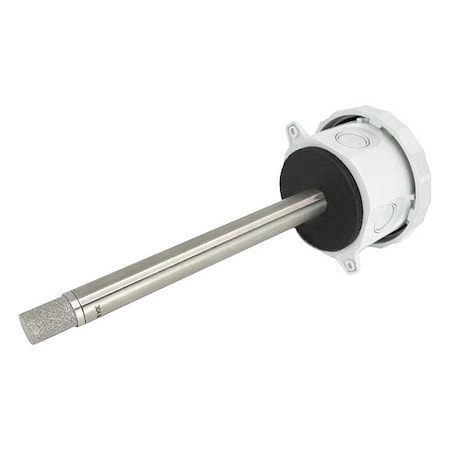
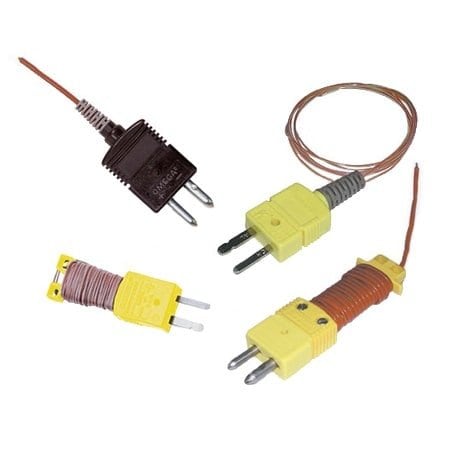
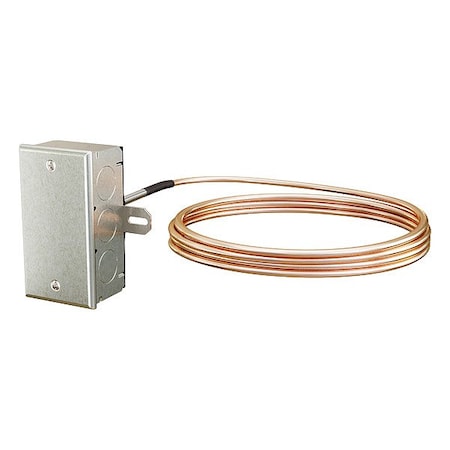
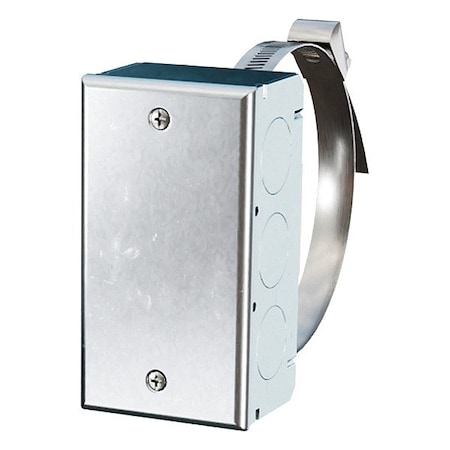
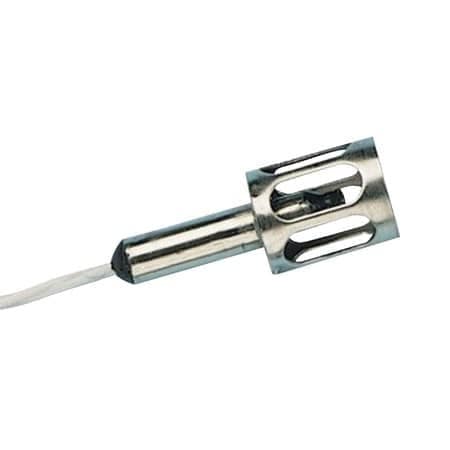
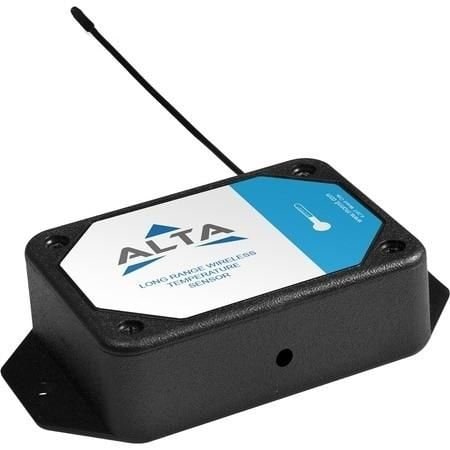
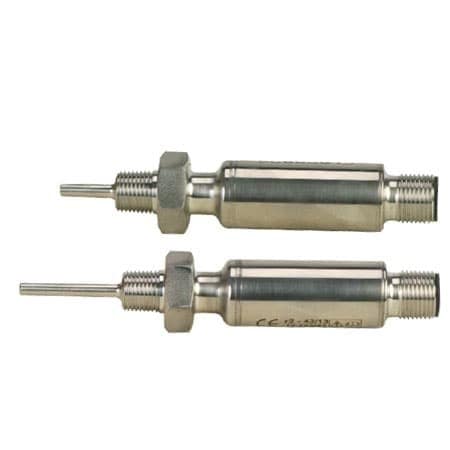
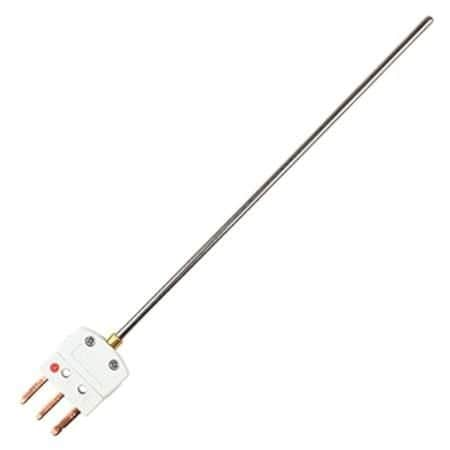
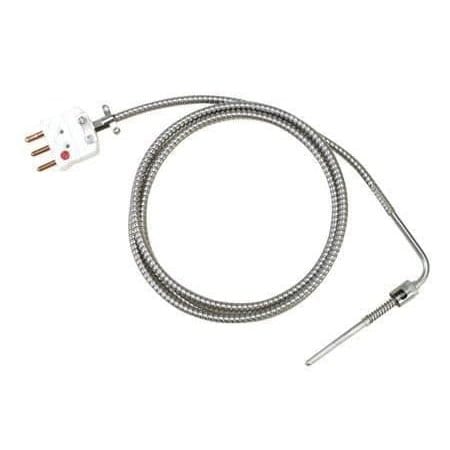
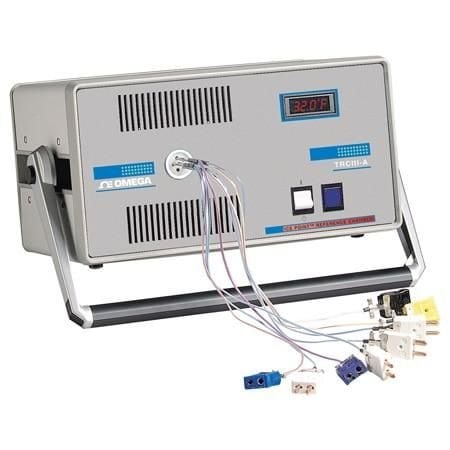
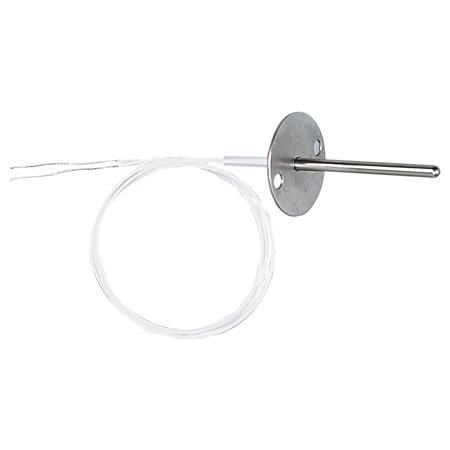
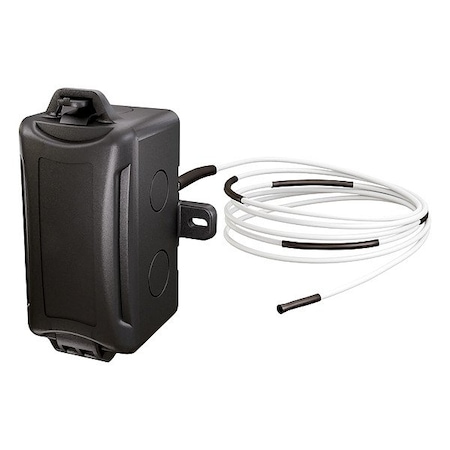
Electricians and plumbers use temperature probes with thermocouple thermometers, RTD process thermometers, thermistors and other industrial thermometers to measure the temperature of air, liquids, surfaces, and food. Be sure to connect probes to a compatible temperature measuring device.
Frequently Asked Questions
A temperature probe, also known as a temperature sensor, is an essential tool for accurately measuring the temperature of various surfaces, liquids, and gases. It offers reliable temperature readings for various applications, making it an indispensable asset in many industries.
Temperature probes operate on the principle of temperature sensing elements, such as thermocouples or resistance temperature detectors (RTDs). These elements change their electrical properties in response to temperature variations, allowing the probe to convert temperature changes into an electrical signal. The signal is then processed and displayed on the probe's display or sent to a data acquisition system for further analysis.
There are various types of temperature probes designed for specific applications. Common types include thermocouples, RTDs (Resistance Temperature Detectors), and thermistors. Thermocouples offer a wide temperature range, while RTDs provide precise measurements over a narrow range. Thermistors excel in measuring rapid temperature fluctuations.
Choosing the right temperature probe requires considering several factors. The desired temperature range, accuracy requirements, response time, and probe material compatibility with the measured substance are crucial. The probe's construction, including its size, shape, and mounting options, should align with the intended application's needs.