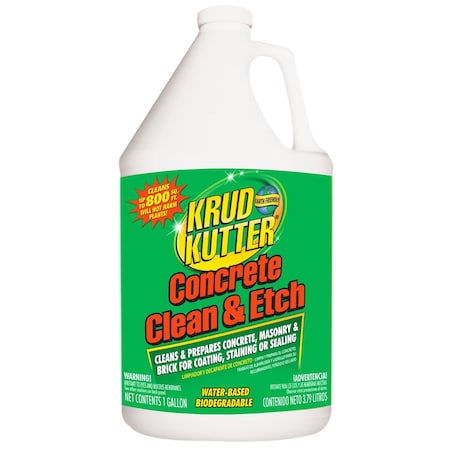
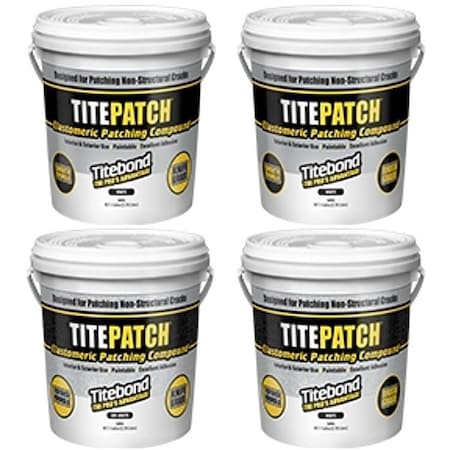
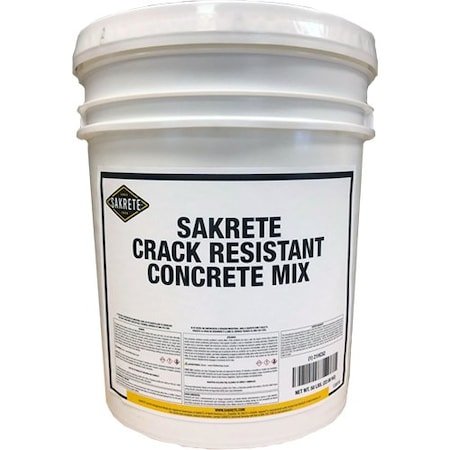
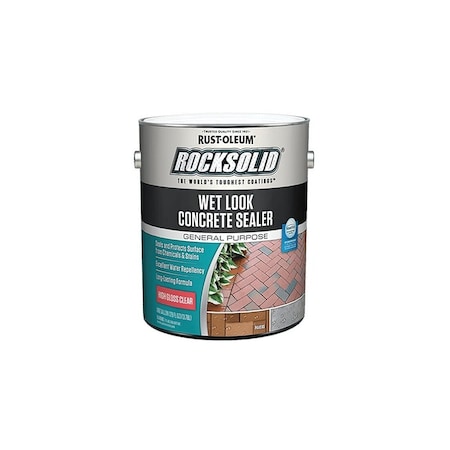
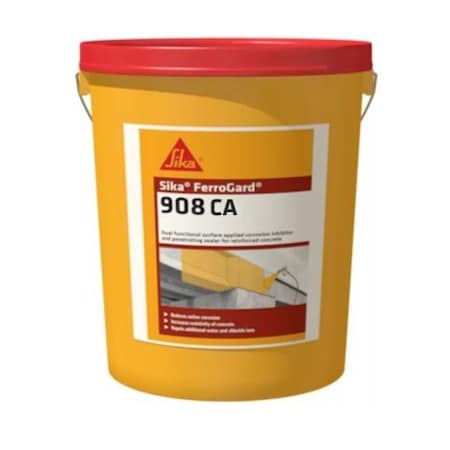
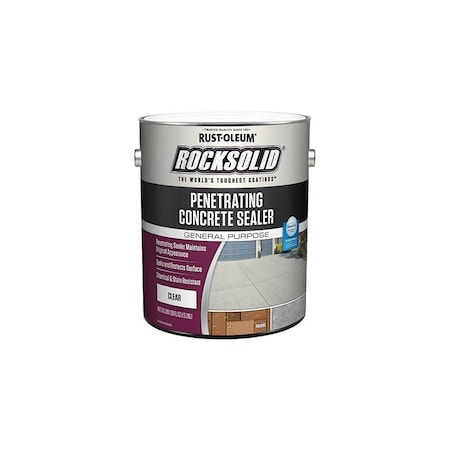
Concrete and asphalt are building materials commonly used for constructing or repairing sidewalks, driveways, and foundations, and setting posts. Professionals know concrete or concrete mix is a composite material that uses a binder like cement combined with aggregates like stone, sand, and water. When mixed, a pliable material is formed. Once it sets, the material hardens and becomes solid. Asphalt is an affordable alternative that uses tar with aggregates to form a solid surface. Cleaners and sealers will extend the life of your surfaces. Repair patches and compounds will fix and improve the look of concrete or asphalt.
Frequently Asked Questions
Concrete and asphalt adhesives come in a variety of formulations, including epoxies, polyurethanes, and acrylics. Each type of adhesive offers distinct advantages, depending on the specific application and environmental conditions.
Selecting the appropriate adhesive is crucial for ensuring optimal bonding performance. Factors to consider include the type of concrete or asphalt surface, environmental conditions, weight bearing requirements, and desired working time.
Concrete and asphalt adhesives offer numerous advantages, such as strong and durable bonding, improved resistance to moisture and chemicals, reduced cracking and spalling, and increased structural integrity.
Proper surface preparation is essential for successful adhesion. Surfaces should be clean, dry, and free of dirt, oil, and loose debris. Roughening the surface may enhance mechanical bonding.